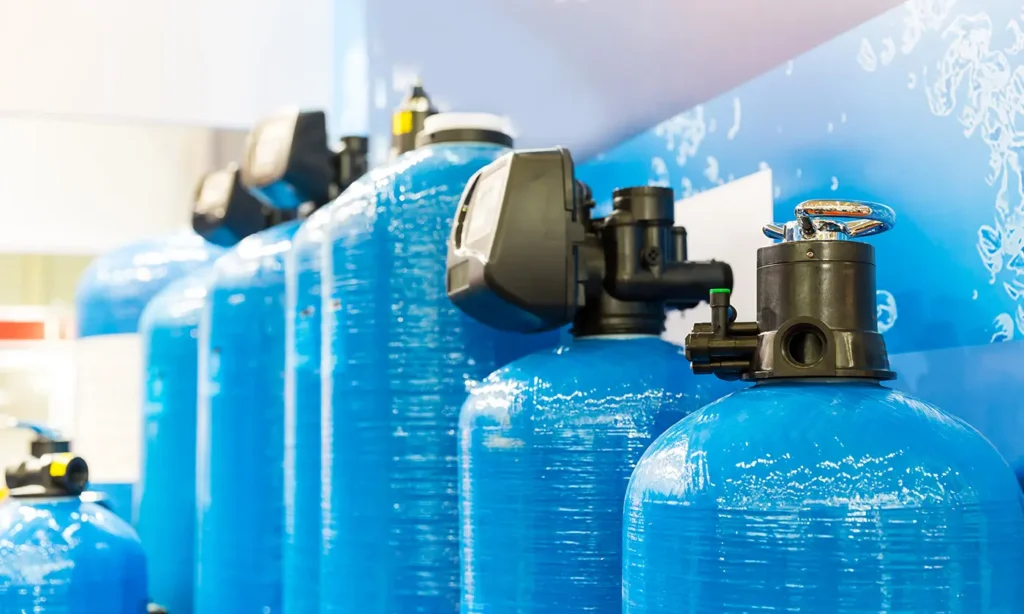
Water plays a quiet but important role in everyday life. We use it to drink, cook, wash dishes, bathe, do laundry, and keep the household running. Yet many homeowners don’t think about their water quality until something changes. Maybe the water starts tasting different, white scale appears around the faucet, or a water softener stops working properly. Suddenly, a basic household necessity becomes a frustrating problem.
In Florida, water treatment can be especially important because water conditions vary by region, property, and supply source. Some homes deal with hard water, while others may experience sulfur odors, sediment, iron staining, or concerns about specific contaminants. A dependable water treatment company can help homeowners understand these issues and choose practical solutions instead of guessing at the problem.
Florida Water Quality Is Not the Same Everywhere
Florida’s water comes from a combination of public utilities, wells, and underground aquifers. Although public water supplies are treated and monitored, the water can still pick up minerals as it moves through the ground or travel through aging plumbing before reaching a home.
Private well owners may face a different set of concerns. Their water quality can change depending on the local geology, rainfall, nearby land use, and condition of the well. Iron, manganese, hardness, bacteria, and unpleasant odors are among the issues that may require attention.
This is why a treatment system that works well for one property may not be the right fit for another. A neighbor’s recommendation can be useful, but it shouldn’t replace water testing. The most effective treatment begins with knowing what is actually in the water.
The Value of Professional Customer Support
Buying a water treatment system is only the beginning. Filters need replacing, tanks may need servicing, settings sometimes require adjustment, and mechanical components can eventually wear out. That’s where dependable customer support & services become valuable.
Good support should involve more than answering a phone call when something goes wrong. A reliable provider should explain how the system works, clarify maintenance schedules, discuss replacement parts, and help homeowners understand what to expect over time. Clear communication matters, especially when customers are investing in equipment intended to last for years.
It’s also helpful when service teams keep records of installations and maintenance visits. This makes it easier to identify recurring issues and recommend appropriate solutions without starting the entire process from scratch every time.
Common Water Problems in Florida Homes
Different parts of the state can experience different water-quality challenges. Hard water is one of the most common concerns. It contains elevated levels of minerals such as calcium and magnesium, which can create scale on showerheads, faucets, water heaters, and appliances.
Some homeowners notice hard water through dry-feeling skin, stiff laundry, or soap that does not lather easily. Others mainly notice the buildup it leaves behind. A water softener may help reduce these effects by exchanging hardness minerals before the water enters the home.
Iron and manganese can also create staining, particularly in private well water. Orange, reddish, or dark marks around sinks and toilets may indicate mineral-related issues. In some cases, sulfur compounds can produce a rotten-egg smell. These problems require different treatment methods, so testing is essential before installing equipment.
Understanding Water Systems in Florida
Homeowners researching water systems in florida will find several treatment options, each designed for a particular purpose. A whole-house filtration system can reduce sediment, chlorine, odors, or other selected contaminants throughout the property. A water softener is generally used to address hardness. Reverse osmosis systems are often installed at a kitchen sink to provide purified water for drinking and cooking.
Ultraviolet systems may be used in certain situations to help control microorganisms, especially when treating private well water. However, UV treatment works best when the water is properly filtered first, since sediment and cloudiness can interfere with its effectiveness.
There are also specialized systems for iron, sulfur, tannins, and other water-quality concerns. The right equipment depends on the test results, water usage, household size, plumbing layout, and budget. A professional should explain why a particular system is being recommended rather than simply presenting the most expensive option.
Why Routine Maintenance Should Not Be Ignored
Even a high-quality water treatment system cannot perform properly forever without maintenance. Filters collect contaminants and eventually become less effective. Water softeners may need salt replenishment, resin servicing, or adjustments to regeneration settings. Pumps, valves, and control panels can also require inspection.
Ignoring maintenance may lead to reduced water quality, lower water pressure, unusual odors, or unnecessary strain on the equipment. In some cases, a small issue can become a costly repair if it is left unattended for too long.
Homeowners should keep track of filter replacement dates and follow the manufacturer’s recommendations. It’s also wise to ask the service provider which maintenance tasks can be handled personally and which require a trained technician. Not every issue needs an emergency visit, but waiting indefinitely is rarely a good strategy.
When to Request Professional Help
There are several signs that it may be time to request service. These include a sudden change in water taste or smell, visible leaks, unusual noises from the equipment, reduced water pressure, persistent staining, or a system that no longer seems to soften or filter water effectively.
A service call can also be useful when a homeowner is unsure whether the system is working as intended. For example, if a softener is using too much salt or a reverse osmosis unit is producing water very slowly, the cause may be a clogged filter, incorrect settings, low pressure, or a worn component.
When contacting a service provider, describe the symptoms clearly. Mention when the issue began, whether it affects one faucet or the entire home, and whether any recent plumbing or maintenance work was completed. These details can help the technician prepare for the visit and reduce unnecessary delays.
Choosing a Water Treatment Provider
A good water treatment provider should be transparent about pricing, equipment performance, warranties, installation requirements, and ongoing maintenance. Be cautious of companies that make dramatic promises without testing the water or explaining the technology behind their recommendations.
Look for providers who offer written estimates and clearly distinguish between necessary treatment and optional upgrades. Certifications, manufacturer training, customer reviews, and years of local experience can also help homeowners evaluate a company.
Most importantly, the provider should listen. A family concerned about drinking water may need a different solution from a homeowner dealing with hard water throughout the house. A thoughtful consultation should focus on the property’s actual needs rather than using a one-size-fits-all sales pitch.
A Long-Term Approach to Better Water
Water treatment is not simply about installing a machine and forgetting about it. It is an ongoing part of home maintenance, much like servicing an air conditioner or replacing a roof filter. When the system is properly selected and cared for, it can improve water quality, protect plumbing fixtures, and make daily household routines more comfortable.
For Florida homeowners, the best starting point is a water test followed by an honest conversation with a qualified service provider. Understand the problem, compare suitable solutions, and plan for maintenance from the beginning. Reliable support can make the entire process easier, helping homeowners enjoy cleaner, more dependable water without unnecessary stress.