Water is something most of us use without giving it much thought. We turn on the tap to fill a glass, cook dinner, wash clothes, or take a shower, expecting the water to be clean and safe. But sometimes, small problems tell a different story. White spots appear on faucets, soap refuses to lather properly, drinking water tastes strange, or clothes come out of the washing machine feeling rough. These everyday annoyances may point to water quality issues that deserve a closer look.
Fortunately, improving household water doesn’t always require a complicated renovation. Understanding the difference between filtration, softening, and drinking water treatment can help homeowners choose practical solutions that fit their needs and budget.
Why Water Quality Matters at Home
Water quality affects more than the taste of a morning glass of water. Depending on its source, household water may contain dissolved minerals, sediment, chlorine, metals, or other unwanted substances. Municipal water is generally treated to meet drinking water standards, but its composition can still vary. Private well water presents different challenges because its quality depends heavily on local geology, surrounding land use, and maintenance of the well.
Hard water is one of the most common concerns. It contains elevated levels of calcium and magnesium, which can leave mineral deposits on showerheads, dishes, and plumbing fixtures. Over time, these deposits may affect water heaters and certain appliances.
Other households struggle with unpleasant odors, cloudy water, or a noticeable chlorine taste. These problems don’t necessarily mean the water is dangerous, but they can make daily routines less enjoyable. Testing the water is a sensible first step because it identifies specific concerns rather than leaving homeowners to guess.
How Water Softeners Help Reduce Hardness
Hard water can be frustrating, especially when cleaning seems to take twice as long as it should. Soap scum builds up around bathtubs, glasses develop cloudy marks, and freshly washed hair may feel less manageable. In these situations, water softeners can make a noticeable difference.
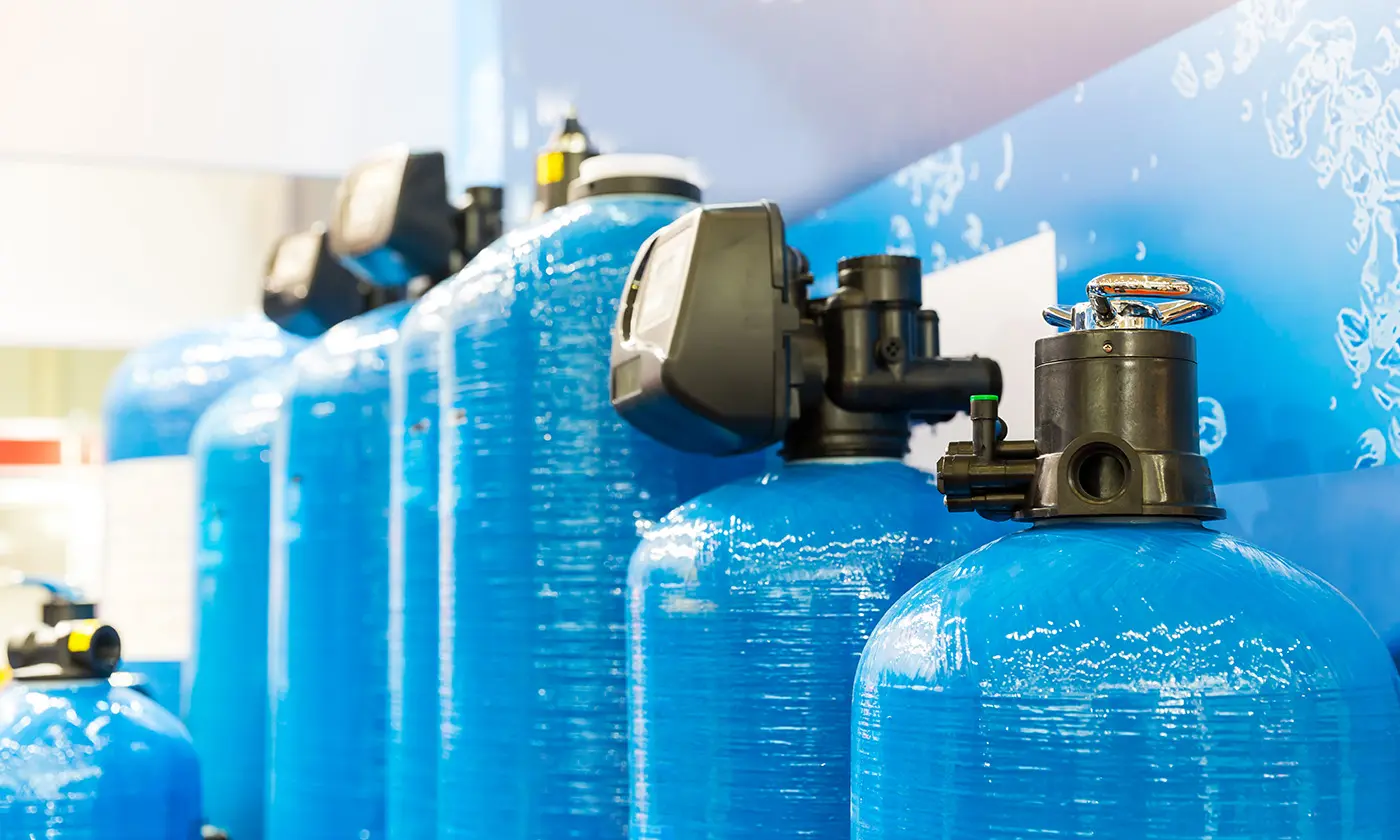
Traditional water softeners commonly use an ion exchange process. As hard water passes through a resin bed, calcium and magnesium ions are exchanged for sodium or, in some systems, potassium ions. The result is softened water that is less likely to produce scale deposits.
This can help protect plumbing fixtures, reduce buildup in water-using appliances, and improve the performance of soaps and detergents. Some households also find that cleaning becomes easier because fewer mineral spots appear on surfaces.
However, a softener isn’t designed to solve every water quality problem. It doesn’t automatically remove bacteria, pesticides, or all dissolved contaminants. People who need to monitor sodium intake should also discuss softened drinking water with a qualified professional, particularly if their system adds sodium during treatment. A separate drinking water tap or another suitable arrangement may be appropriate.
Salt-free conditioning systems are another option, although they work differently. They may help control scale formation, but they generally don’t remove calcium and magnesium in the same way as conventional ion exchange softeners. Understanding that distinction can prevent disappointment after installation.
The Benefits of Whole-House Water Filtration
Sometimes the concern goes beyond hard water. A household might experience sediment in the water, a strong chlorine smell, or discoloration caused by iron. These issues call for a treatment approach designed around the substances actually present.
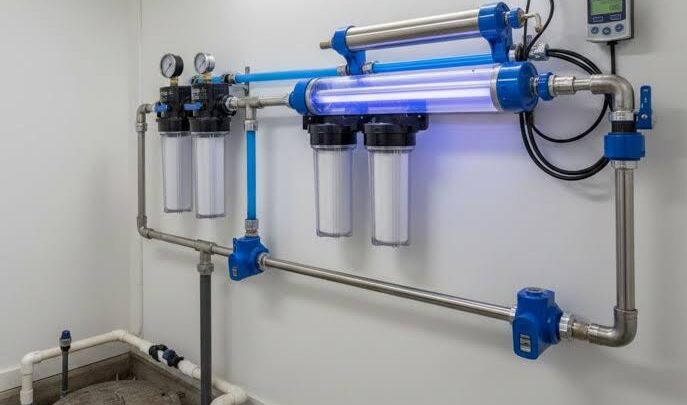
A properly selected whole home water filtration system treats water as it enters the house, helping improve water quality at multiple taps. Depending on the equipment, it may use sediment filters, activated carbon, specialized media, or combinations of treatment technologies.
Sediment filters capture particles such as sand, dirt, and rust before they travel through the plumbing. Activated carbon can reduce chlorine taste and odor, while certain specialized filters target particular contaminants. The exact performance depends on the filter design, its certification, and the substances it is intended to reduce.
Whole-house filtration can be especially useful for families who want consistent water quality for showering, bathing, laundry, and cleaning. It may also help reduce unpleasant odors throughout the property.
Still, there’s no universal filter that removes everything. A system designed to improve chlorine taste may not address dissolved salts, and a sediment filter won’t necessarily remove chemicals. Homeowners should check product specifications and choose equipment based on test results rather than broad marketing promises.
Maintenance matters, too. Filters need replacement at recommended intervals, and some systems require periodic servicing. A neglected filter can lose effectiveness, restrict water flow, or become a source of avoidable problems.
Is Reverse Osmosis Worth Considering?
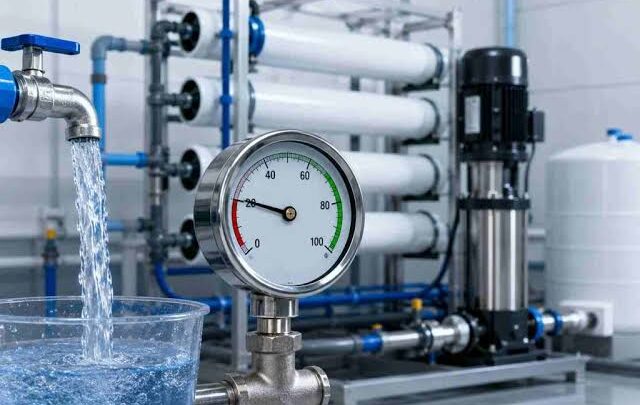
For households particularly concerned about drinking water, a dedicated treatment system may be the better choice. Reverse osmosis systems use pressure to move water through a semipermeable membrane that separates much of the dissolved material from the treated water.
Depending on the system and membrane performance, reverse osmosis can reduce several dissolved contaminants, including certain salts, lead, and other substances. Many units combine the membrane with sediment and carbon filters to provide multiple stages of treatment.
These systems are often installed beneath the kitchen sink and supply a separate drinking water faucet. That arrangement allows homeowners to treat water used for drinking, making tea or coffee, and preparing food without treating every gallon used in the house.
There are a few practical considerations. Reverse osmosis systems may send some water to a drain during operation, although efficiency varies by design. Their filters and membranes also need regular replacement. Some models include storage tanks, while tankless versions produce treated water on demand.
It’s important to select a system certified for the contaminants of concern. Reverse osmosis is not automatically necessary for every home, especially when existing water already meets the household’s needs. Testing helps determine whether the investment makes sense.
Choosing the Right Water Treatment Combination
One household may need only a sediment filter, while another may benefit from a softener and a separate drinking water system. The right combination depends on the source of the water, the problems being experienced, and the family’s priorities.
Start by identifying the symptoms. Mineral deposits and scale often suggest hardness. A chlorine smell may point toward a need for suitable carbon filtration. Persistent staining, metallic tastes, or unusual odors deserve further investigation rather than a quick guess.
A professional water test can help identify hardness, pH, iron, and other relevant characteristics. For private wells, testing for bacteria, nitrates, and locally relevant contaminants is particularly important. If a public water supply is used, the local water quality report can provide useful background information, though testing at the property may reveal additional issues.
Compare systems by looking at treatment capacity, installation requirements, maintenance costs, certifications, and warranty coverage. The initial purchase price is only part of the total cost. Replacement filters, salt, electricity, and servicing can affect the long-term budget.
Keep Water Quality on Your Maintenance List
Installing a treatment system is not the end of the process. Water conditions can change, filters wear out, and equipment needs occasional attention. Following the manufacturer’s service schedule helps keep a system working as intended.
Homeowners should also watch for changes in water pressure, taste, odor, and appearance. These signs don’t always indicate a serious problem, but they can signal that a filter needs attention or that the water source should be tested again.
Good water treatment is ultimately about solving the right problem with the right equipment. Softening addresses hardness, filtration targets particular unwanted substances, and reverse osmosis can provide an additional level of treatment for drinking water when needed. Each has a different purpose, and combining them thoughtfully can make everyday water use more comfortable.
Rather than buying the most expensive system or choosing one because a neighbor recommends it, start with what your own water contains. A little testing and informed planning can help you enjoy cleaner-tasting water, reduce avoidable maintenance, and make a confident decision for your home.