Most people start thinking about water filtration when their drinking water develops an unpleasant taste. They buy a filter pitcher, attach a small device to the kitchen faucet, and consider the problem solved. But the kitchen is only one part of the house where water quality matters.
What about the water you shower in, wash your clothes with, or use to clean your dishes? It all deserves some attention, especially if you’ve noticed recurring issues with sediment, unpleasant odors, or mineral deposits.
Treating water at its main entry point offers a more comprehensive approach. It can make everyday household activities more comfortable while addressing specific water quality concerns before they affect multiple areas of your property.
Why Water Treatment Should Go Beyond Drinking Water
Think about how much water your household uses throughout an ordinary day. Between morning showers, laundry, cooking, and evening cleaning, the amount adds up surprisingly quickly.
Installing whole home filtration allows incoming water to pass through selected treatment media before reaching connected faucets and appliances.
Unlike a small kitchen filter, this approach addresses water quality across several areas of the property. Depending on the equipment installed, it may reduce sediment, chlorine, and certain unwanted substances.
It’s particularly useful when water quality problems aren’t limited to a single faucet.
However, no filtration system removes everything. Understanding your water supply and selecting equipment with suitable treatment capabilities remains essential.
What Happens Inside a Whole-House Filter?
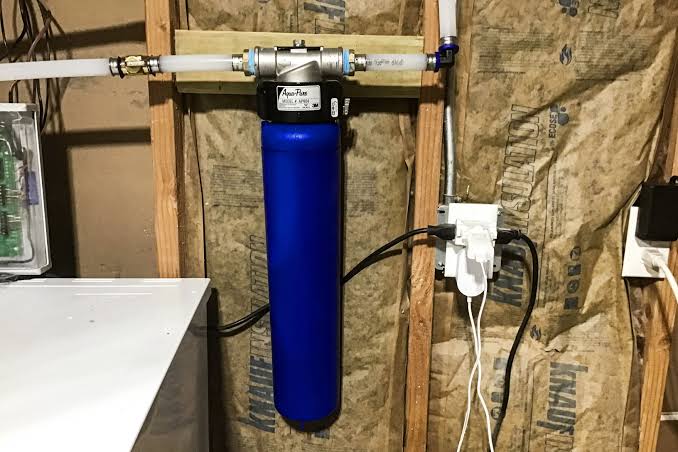
Centralized filtration equipment is generally installed near the main incoming water line. As water enters the property, it passes through one or more treatment stages.
Sediment filters capture suspended particles such as sand, rust, and silt. Activated carbon can help reduce chlorine and certain unpleasant tastes or odors.
Some installations combine different treatment technologies to address multiple concerns. A separate water softener may also be included when excessive hardness is an issue.
Each component serves a particular purpose. That’s why adding more filtration stages doesn’t automatically guarantee better results.
A thoughtfully designed arrangement should address the substances identified during water testing while maintaining sufficient water flow for everyday household activities.
Making Everyday Household Routines More Comfortable
Some home improvements are immediately noticeable. Others quietly make life a little easier without attracting much attention. Water filtration often falls into the second category.
If you’re looking to improve water throughout your home, centralized treatment can help address recurring sediment and chlorine-related concerns across connected fixtures.
Perhaps the strong disinfectant smell during your morning shower becomes less noticeable. You might also find fewer suspended particles collecting around faucet aerators.
These changes depend on the incoming water conditions and the treatment methods selected.
There’s also something convenient about managing one centralized filtration arrangement instead of maintaining separate devices in several rooms. For busy households, that’s one less thing to worry about.
Protecting Plumbing and Household Appliances
Nobody enjoys calling a plumber unexpectedly or discovering that an expensive appliance needs repairing. Unfortunately, certain water quality issues can contribute to additional maintenance.
Sediment may accumulate in faucet aerators, valves, and other plumbing components. Excessive water hardness can encourage mineral deposits inside appliances that regularly heat water.
Appropriate filtration and softening can help manage these different problems.
It’s important, though, not to confuse the two. Standard sediment and carbon filters generally don’t remove the calcium and magnesium responsible for hardness.
If mineral scale is your primary concern, a water softener may be necessary alongside filtration.
Choosing equipment that addresses the underlying cause can help protect household components without adding unnecessary treatment stages.
Finding a Filtration System That Fits Your Property
A small household and a large family home can have remarkably different water requirements.
When comparing whole home filtration systems, consider incoming water quality, household consumption, plumbing dimensions, available installation space, and peak water demand.
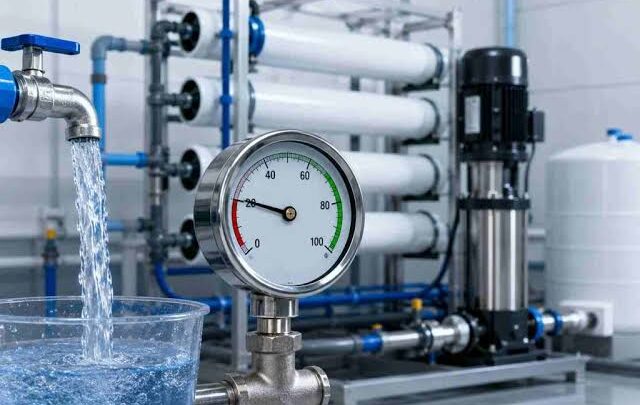
Imagine someone taking a shower while the washing machine runs and another family member prepares dinner. Your filtration equipment needs to accommodate those overlapping activities without unnecessarily restricting water flow.
Filter capacity and replacement requirements also deserve attention.
Before making a purchase, ask about independently certified performance claims and estimated maintenance expenses. A system with affordable, readily available replacement components may offer better long-term value than equipment that’s difficult to service.
Is Separate Drinking Water Filtration Still Necessary?
This is where homeowners occasionally get confused.
A centralized filter can provide treatment across multiple household fixtures, but it may not address every drinking water concern.
For instance, a carbon filter designed to reduce chlorine doesn’t necessarily reduce dissolved salts or certain metals.
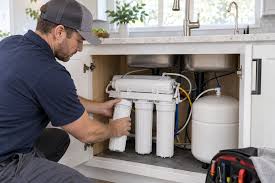
An under-sink reverse osmosis system may be appropriate when specific dissolved contaminants require additional treatment.
Whether you need both technologies depends entirely on your water conditions and personal requirements.
Start with reliable water testing. There’s no reason to spend money on additional equipment unless it offers a meaningful benefit to your household.
Keeping Your Filtration Equipment in Good Condition
Even excellent filtration equipment needs occasional attention.
Sediment filters gradually collect debris, while carbon media eventually reaches its treatment capacity. Neglecting replacement schedules can affect filtration performance and water pressure.
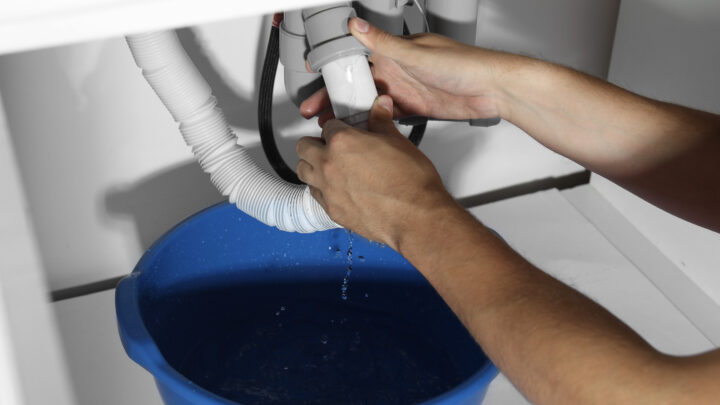
Follow manufacturer recommendations, keep track of maintenance dates, and arrange professional servicing when necessary.
Periodic water testing can also help confirm that your equipment continues to deliver the intended treatment results.
A little preventive maintenance is usually easier than dealing with unexpected problems later.
A Thoughtful Investment in Everyday Comfort
Improving household water quality doesn’t have to involve complicated renovations or an expensive collection of treatment equipment.
With reliable testing, appropriate filtration technology, and consistent maintenance, homeowners can address genuine water quality concerns across their property.
After all, water is part of almost everything that happens at home. From preparing breakfast to taking a relaxing evening shower, its quality matters more than we often realize.
Sometimes, the most worthwhile household improvements are the ones quietly working in the background, making ordinary life just a little more comfortable.