The Small Things That Make a Big Difference
Most people don’t spend much time thinking about their home’s water supply. You turn on the kitchen tap, take a shower, run the washing machine, and get on with your day. Water is simply expected to be there, at the right temperature and with enough pressure to do what you need. When something changes, though, you notice it pretty quickly.
Perhaps the shower has become weaker, the water tastes different, or the washing machine takes longer to fill. Sometimes the cause is straightforward. Other times, a problem that seems minor can point to an issue with plumbing, filtration, or the incoming supply.
The good news is that you don’t need to understand every pipe and valve in your home to make sensible decisions. Learning a few basics about water quality, pressure, and equipment maintenance can help you recognize problems earlier and know when professional advice is worthwhile.
Understanding What Comes Out of Your Tap
Clean-looking water is reassuring, but appearance alone doesn’t tell the whole story. Depending on its source and the plumbing it passes through, water may contain dissolved minerals, disinfectants, sediment, or other substances that affect its taste, smell, or suitability for particular uses.
For many households, drinking water quality is a practical concern rather than an abstract one. You may notice a chlorine-like smell, white mineral deposits around taps, or occasional discoloration. These signs can have different explanations, and it’s important not to jump to conclusions.
For example, white residue on a kettle is often associated with hard water, which contains elevated levels of minerals such as calcium and magnesium. Hard water can leave scale on fixtures and heating elements, but hardness itself is not the same as contamination. Similarly, a chlorine smell may be related to disinfection, yet an unusual or sudden change in smell deserves investigation.
If your water comes from a municipal supply, check the information provided by your local water utility when concerns arise. Private well owners should arrange appropriate laboratory testing, following local recommendations and considering risks specific to the property. Testing is especially important after flooding, repairs, or noticeable changes in water quality.
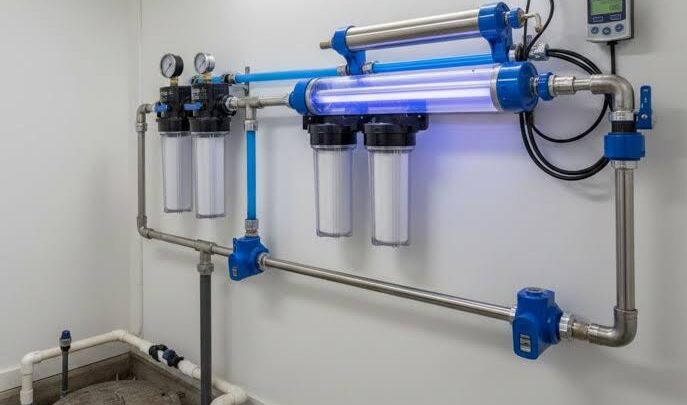
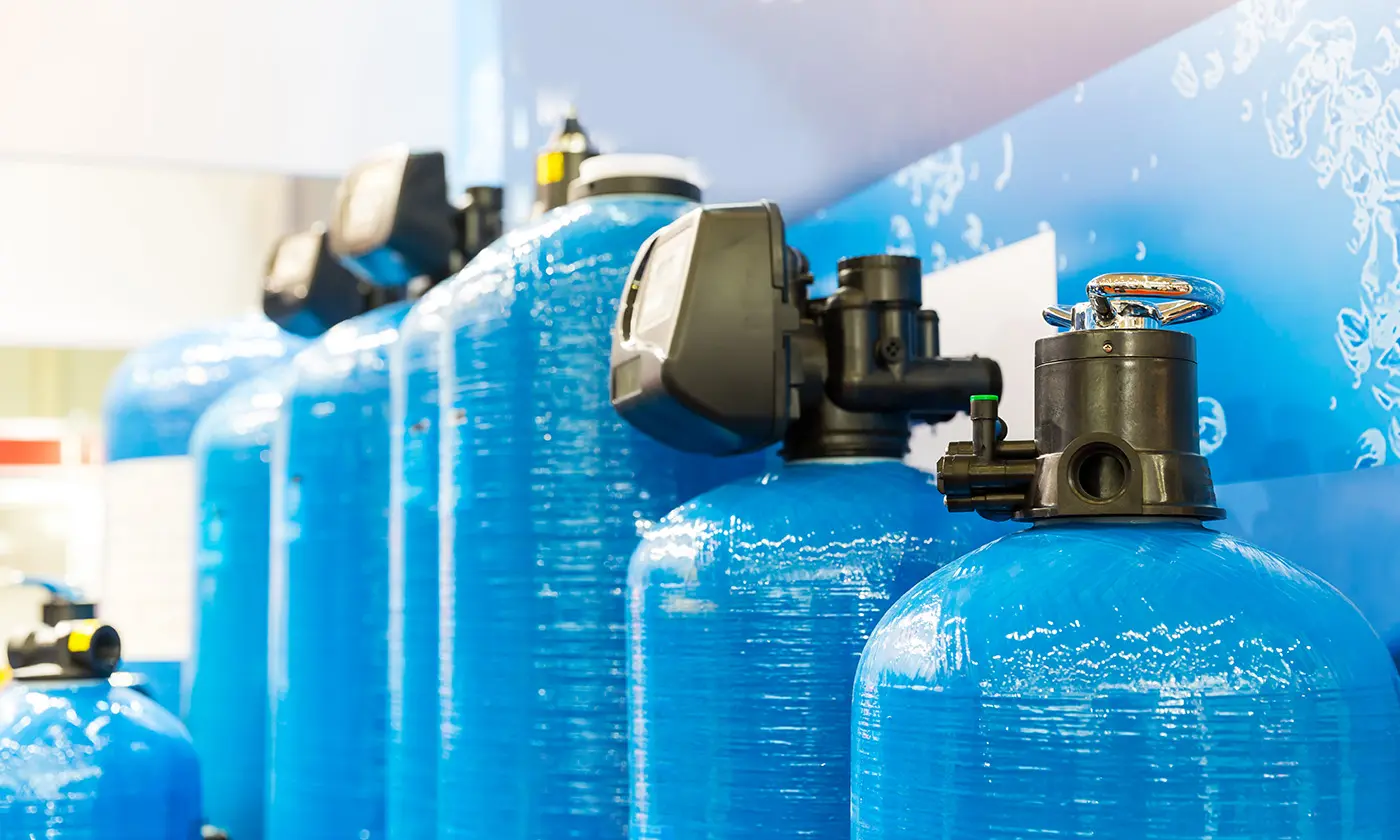
The next step should depend on the findings. Sediment filters, activated carbon filters, softeners, and reverse osmosis systems serve different purposes. No single device removes every possible contaminant, so choosing treatment based on actual water conditions is more sensible than buying equipment simply because it promises comprehensive filtration.
Why Water Pressure Sometimes Drops
Few household problems are as irritating as a shower that barely produces a steady stream. A sudden reduction in pressure can affect washing, cleaning, irrigation, and the performance of appliances that depend on a consistent water supply.
When low pressure develops, start with a few simple observations. Is the problem limited to one tap, or does it affect the whole property? Does it occur only when several fixtures are running at once? Did the change happen suddenly, or has the pressure gradually weakened over several weeks?
These details help narrow down the possible causes. A clogged aerator may explain poor flow at a single faucet. If several fixtures are affected, the issue could involve a partially closed valve, a blocked filter, a pressure regulator, pipe restrictions, or the incoming supply. In a property that relies on a pump, equipment faults or incorrect pressure settings may also be responsible.
It’s worth checking whether neighbours are experiencing a similar issue if your home is connected to a shared municipal supply. That may suggest the problem isn’t confined to your own plumbing.
Avoid immediately increasing pump pressure or replacing equipment without identifying the cause. Excessive pressure can damage pipes, fixtures, and appliances, while a new pump won’t necessarily fix a blockage or faulty valve. A qualified plumber can test the system and recommend a repair that addresses the underlying issue.
If the pressure drops suddenly and is accompanied by unexplained water loss, damp patches, or unusual pipe noises, arrange an inspection promptly. A hidden leak or other plumbing fault may need urgent attention.
How Plumbing and Equipment Work Together
A home’s water supply is made up of connected components. Pipes carry water, valves control its movement, fixtures regulate delivery, and appliances depend on suitable flow and pressure. Some properties also use pumps, storage tanks, water heaters, or treatment equipment.
When one component doesn’t work properly, the effects can show up elsewhere. A filter that hasn’t been replaced on schedule may restrict flow. Scale can accumulate in certain fixtures and narrow the passage through which water moves. A faulty pressure tank may cause a pump to cycle too frequently, creating noise and unnecessary wear.
This is why it’s useful to look at the system as a whole rather than treating every symptom as an isolated problem. If a filtration unit, for example, appears to reduce pressure, check its maintenance requirements and whether it is appropriately sized for the household’s demand.
Water heaters need attention as well. Follow the manufacturer’s recommendations for inspections and servicing, and have problems involving unusual noises, leaks, or inconsistent hot water assessed by a qualified professional. The correct maintenance routine depends on the appliance type, age, and local water conditions.
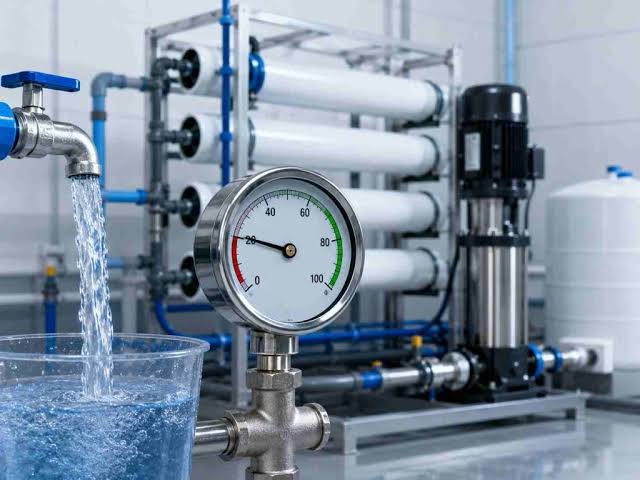
For homes with private wells, pumps and pressure tanks deserve particular attention. Their performance can influence the reliability of the entire supply. Well owners should also maintain testing schedules appropriate to their location and potential contamination risks.
Improving System Performance Without Wasting Money
Better system performance doesn’t always require a major upgrade. In many cases, regular maintenance and a few targeted repairs can restore dependable operation.
Begin with the basics. Fix dripping taps, clean faucet aerators when appropriate, inspect visible plumbing for leaks, and replace filters according to the manufacturer’s instructions. If an appliance fills slowly or a shower becomes weaker, note when the problem occurs and whether other fixtures are affected. This information can help a technician diagnose the issue more efficiently.
If you’re considering new equipment, focus on the needs of your property. A filtration system should match the contaminants identified through testing. A pump should be selected according to the required flow, pressure, and installation conditions. An oversized or poorly matched unit may cost more to operate without providing meaningful benefits.
Compare the full cost of ownership rather than the purchase price alone. Include installation, electricity, replacement cartridges, servicing, and the availability of parts. A moderately priced product with straightforward maintenance may offer better long-term value than a more elaborate model with expensive consumables.
Efficiency is another important consideration. Repairing leaks prevents wasted water, while suitable fixtures and well-managed irrigation can reduce unnecessary consumption. However, don’t sacrifice necessary flow or proper treatment just to chase a lower bill. The objective is a balanced system that works reliably without wasting resources.
When Professional Help Makes Sense
Some checks are simple enough for homeowners, but others call for specialist knowledge. Plumbing repairs inside walls, electrical work around pumps, pressure adjustments, and installation of treatment equipment may require qualified professionals.
If you notice persistent discoloration, a sudden change in water taste or smell, repeated pressure loss, or unexplained increases in water consumption, avoid relying on guesswork. Testing and inspection can establish what is happening and which steps are appropriate.
Before approving a repair, ask the professional to explain the suspected cause, the proposed work, and any alternatives. A written estimate is useful for larger jobs, particularly when replacement equipment is involved. Keep records of repairs and maintenance so future issues can be assessed in context.
Making Reliable Water Part of Everyday Life
A dependable water supply is built through a combination of good equipment, sensible maintenance, and informed choices. Water quality deserves attention, pressure changes shouldn’t be ignored, and treatment products should be selected for a clear reason.
You don’t need to solve every issue yourself. Sometimes the best first step is simply to notice a change, gather a few details, and ask the right questions. That small effort can prevent unnecessary purchases and help identify faults before they grow more serious.
With regular checks, appropriate testing, and timely repairs, your home’s water supply can remain more consistent and easier to manage. It’s not the most exciting part of homeownership, perhaps, but when everything works as it should, the difference is felt every single day.