When you rely on a private well, turning on a tap involves more than opening a valve. Somewhere outside or beneath your home, a pump draws water from the ground, plumbing carries it indoors, and several components work together to deliver a steady supply. Most days, you probably don’t give any of it a second thought. That is, until the shower suddenly loses pressure or the kitchen faucet starts sputtering.
A private well can provide a dependable water source for years, but only when its equipment is properly selected, installed, and maintained. Understanding the basics helps homeowners recognize early warning signs, make sensible upgrades, and avoid unnecessary repair costs. It also makes conversations with a well contractor much easier.
How a Private Well Water System Works
A typical residential well system includes the well itself, a pump, electrical controls, pipes, and equipment that manages water pressure. Depending on the property’s water quality, it may also include sediment filtration, water treatment, or disinfection equipment.
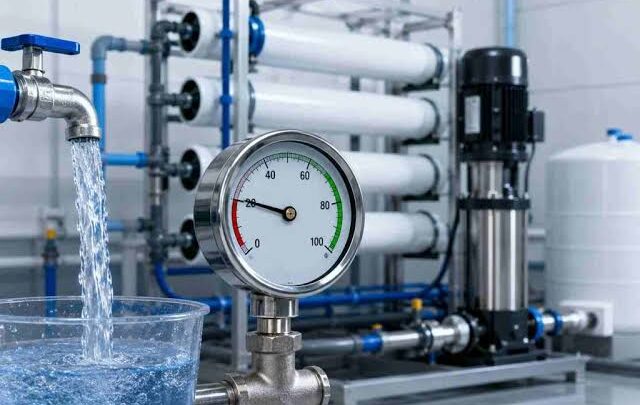
When someone opens a tap, the system responds by supplying water at a usable pressure. In many homes, a pressure switch activates the pump when pressure falls below a preset level. Once the system reaches its upper pressure setting, the pump switches off. A pressure tank helps reduce how frequently that happens.
Each component has a specific job, and problems in one area can affect the rest of the system. A worn pump may struggle to deliver enough water, while a leaking pipe can cause pressure to drop unexpectedly. Electrical faults and incorrectly adjusted controls can create similar symptoms.
That’s why diagnosing the cause matters. Replacing a pump when the real problem is a leaking pipe or faulty pressure switch can waste money without solving the underlying issue.
Choosing Well Equipment That Fits Your Property
Not every property needs the same setup. A small household with modest water demand has different requirements from a larger family that regularly runs several showers, washing machines, and outdoor taps at once.
Choosing suitable well equipment begins with understanding the well’s depth, recovery rate, water level, expected household demand, and the performance of the existing pump. A contractor can evaluate these factors and recommend equipment that provides adequate flow without placing unnecessary strain on the system.
Pump selection is especially important. Submersible pumps are commonly used in deeper wells, while jet pumps may be suitable for certain shallow-well applications. The right choice depends on the well’s construction and operating conditions rather than a simple rule about which pump is better.
Homeowners should also consider energy use, replacement-part availability, and service access. A low purchase price can be appealing, but an unsuitable pump may cycle excessively, consume more electricity than necessary, or struggle during periods of high demand.
Before replacing existing equipment, gather any available records about the well’s depth, pump model, installation date, and previous repairs. Even incomplete records can help a professional understand what is already in place.
Why Pressure Tanks Matter More Than You Might Think
A pressure tank is easy to overlook because it rarely attracts attention when everything is working correctly. Yet it’s an important part of many residential well systems.
Most modern systems use a tank with a flexible bladder or diaphragm that separates air from water. As water enters, the air compresses. This stored pressure allows the system to supply a limited amount of water without switching the pump on every time a faucet opens.
Correctly sized pressure tanks help reduce frequent pump starts, which can contribute to wear on the pump motor and controls. The tank also helps maintain more consistent pressure during ordinary household use.
Tank size should reflect the pump’s output, the system’s pressure settings, and the household’s demand. A tank that is too small may allow frequent cycling, while an appropriately sized unit can help the pump operate in a more stable pattern.
If you notice rapid pump cycling, fluctuating pressure, or water delivery that seems unusually inconsistent, the tank may need inspection. A damaged bladder, incorrect air charge, or faulty pressure switch could be involved. These symptoms aren’t conclusive on their own, so testing is better than guessing.
Because pressure tanks contain pressurized air and water, follow the manufacturer’s safety guidance and use a qualified technician for checks or repairs you’re not equipped to perform safely.
Water Quality Deserves Just as Much Attention
A system that delivers plenty of water isn’t necessarily delivering safe water. Groundwater can contain naturally occurring minerals, sediment, nitrate, or microorganisms, depending on local conditions and nearby activities.
Private well owners are generally responsible for monitoring their own water quality. Testing through a qualified laboratory provides more useful information than relying on taste, smell, or appearance. Clear water can still contain contaminants, and an unusual taste doesn’t identify the cause by itself.
Routine testing should follow local public health recommendations. Additional testing may be appropriate after flooding, well repairs, damage to the well cap, or a noticeable change in water quality. The wellhead and surrounding drainage should also be inspected to help reduce the risk of contamination entering the water supply.
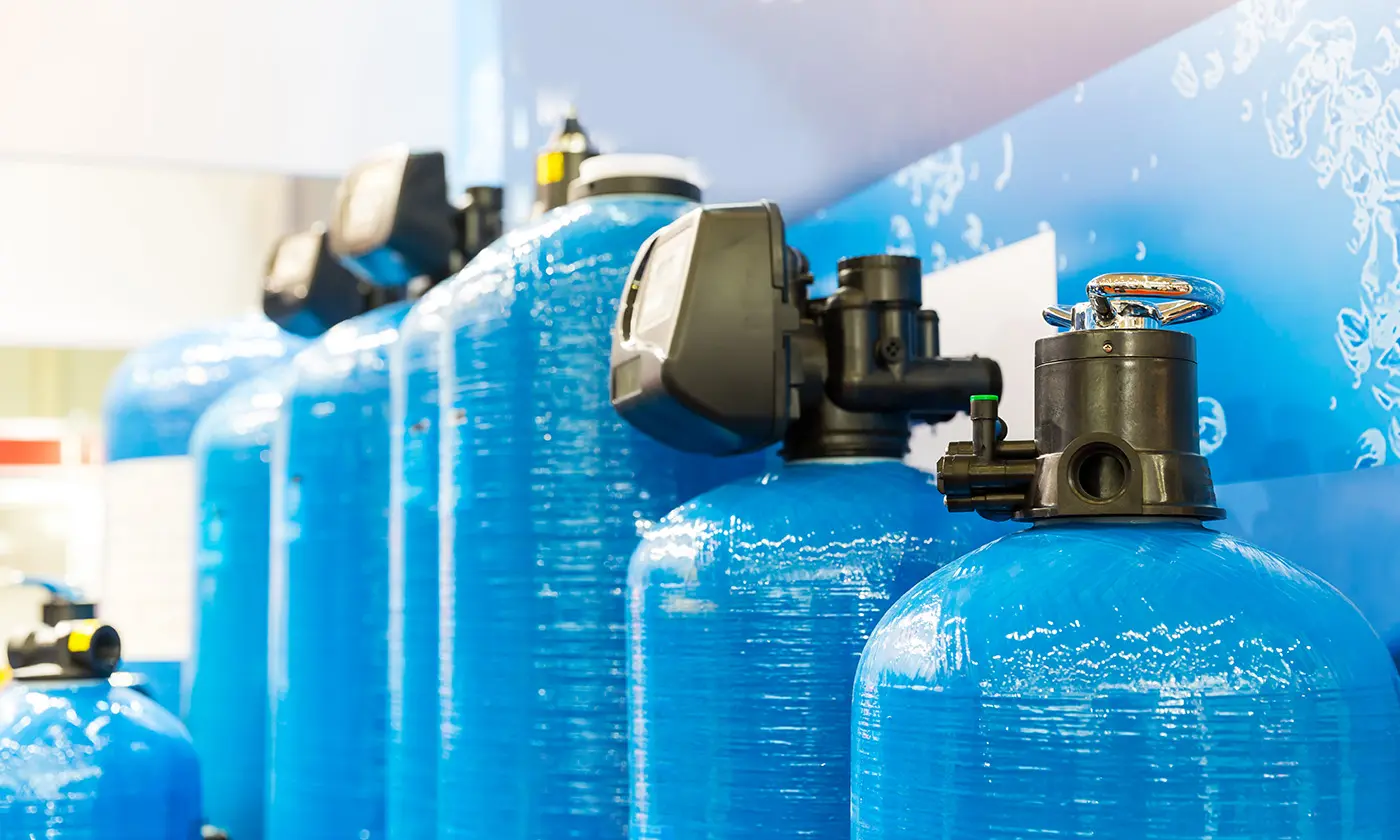
Treatment equipment should match the test results. Sediment filters can remove suspended particles, while softeners address hardness. Other contaminants may require specialized filtration or disinfection. There isn’t one universal device that solves every water-quality problem.
When UV Units Make Sense
Microbial contamination is a particular concern for some private wells, especially when the well is poorly protected or groundwater conditions make contamination more likely. Where testing indicates a need for disinfection, ultraviolet treatment may be one option worth discussing with a water treatment professional.
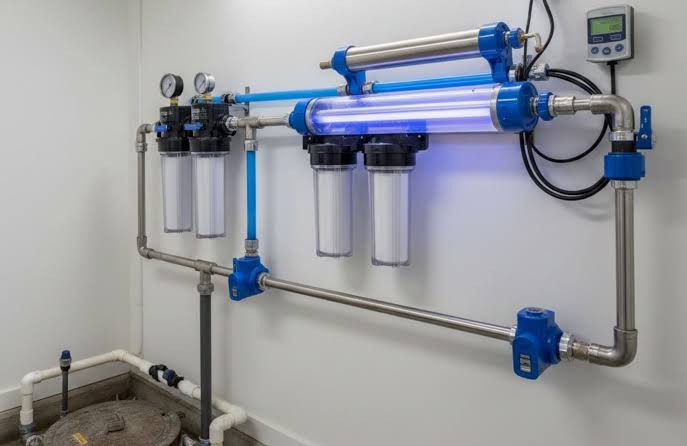
Properly selected uv units use ultraviolet light to inactivate susceptible microorganisms as water passes through the treatment chamber. They don’t work like ordinary particle filters, and they don’t remove dissolved chemicals, salts, or heavy metals.
For UV treatment to work effectively, the system must be correctly sized for the water flow and operating conditions. Water clarity is important because suspended particles can shield microorganisms from the light. Pretreatment may therefore be necessary, depending on the water quality and equipment specifications.
The lamp and protective sleeve also require maintenance according to the manufacturer’s schedule. A lamp can still glow even when its useful germicidal output has declined, so visible light alone isn’t proof that disinfection is effective. Warning indicators, operating conditions, and appropriate water testing all have a role.
If a well has confirmed microbial contamination, don’t assume that installing a UV unit automatically resolves every concern. The source of contamination should be investigated, and any required disinfection or corrective steps should be guided by qualified professionals.
Warning Signs You Shouldn’t Ignore
Well systems often give clues before a complete breakdown occurs. A sudden drop in pressure, frequent pump cycling, unusual noises, or a pump that runs continuously may indicate a mechanical, electrical, or plumbing issue.
Changes in water quality deserve attention as well. Cloudiness, unusual discoloration, or a new odor can have several causes, from disturbed sediment to contamination. If you suspect that drinking water may be unsafe, use an alternative safe water source while arranging appropriate testing and advice.
Avoid repeatedly resetting electrical controls or adjusting pressure switches without understanding the cause. These actions may hide the symptom without correcting the problem, and working on energized equipment can be dangerous.
Keeping a simple maintenance record is surprisingly useful. Note changes in pressure, repairs, water test results, and equipment replacements. Over time, these details can reveal recurring issues and help a technician make a more accurate diagnosis.
A Dependable Well Starts With Good Care
A private well can serve a household reliably, but it depends on more than a working pump. The well structure, pump, pressure tank, plumbing, and any treatment equipment need to function together.
Start by learning the basics of your system and keeping the available installation records in one place. Arrange regular water testing, respond promptly to changes in performance, and have unfamiliar mechanical or electrical problems checked by a qualified professional.
You don’t need to become a well technician to look after your water supply. A little knowledge, sensible maintenance, and timely repairs can go a long way toward keeping the water flowing and giving your household greater confidence in the system it relies on every day.