There’s something oddly comforting about the sound of running water. Maybe it’s the way it grounds us, a reminder that no matter how fast life moves, some things remain essential. Yet, the water that pours from our taps isn’t always as pure as we’d like to think. In fact, in many homes, it carries invisible guests—chemicals, contaminants, even microplastics—that quietly shape our health over time. And if you’ve ever wondered whether investing in better filtration is worth it, well, the short answer is: absolutely. The longer answer is what we’re diving into here.
The everyday reality of “safe” water
It’s easy to assume that municipal water is good enough because it meets regulatory standards. But those standards often sit decades behind modern science. They might limit certain contaminants but rarely address the cocktail effect of multiple chemicals blending together. Families drink it daily, cook with it, bathe in it. Slowly, almost silently, it leaves its fingerprints—dry skin, odd tastes, a faint smell of chlorine. None of these feel alarming in the moment, but they stack up.
This is where a Smart water filter steps into the picture, not as some luxury gadget but as a practical ally. Unlike the old jug-style filters that need constant changing and barely scratch the surface, smart systems monitor water quality in real-time, adjusting and alerting you when action’s needed. It’s filtration with a brain—like upgrading from a flip phone to a smartphone. Once you live with it, you don’t want to go back.
The PFAS problem that won’t go away
Let’s talk about the elephant in the room: PFAS. You’ve probably seen the headlines. “Forever chemicals” they call them, and for good reason. PFAS compounds don’t easily break down, which means once they enter water supplies, they linger for decades—sometimes centuries. Research ties them to health issues like hormone disruption, lowered immunity, and even certain cancers.
The unnerving part? These chemicals are practically everywhere: nonstick pans, waterproof jackets, food packaging. So, when they seep into drinking water, it’s not a small deal—it’s a generational problem. That’s why a PFAS water filter is no longer optional for many households; it’s a necessity. It targets these stubborn contaminants directly, reducing their presence to safer levels. People sometimes scoff at the upfront cost, but compare that to the price of long-term health issues and it suddenly feels like a bargain.
More than just drinking water
Filtration isn’t only about what ends up in your glass. It’s about showers that don’t leave your hair brittle. It’s about appliances—dishwashers, washing machines, coffee makers—that last longer because hard minerals aren’t quietly clogging them up. And it’s about peace of mind, knowing you don’t need to second-guess every time you fill up a bottle.
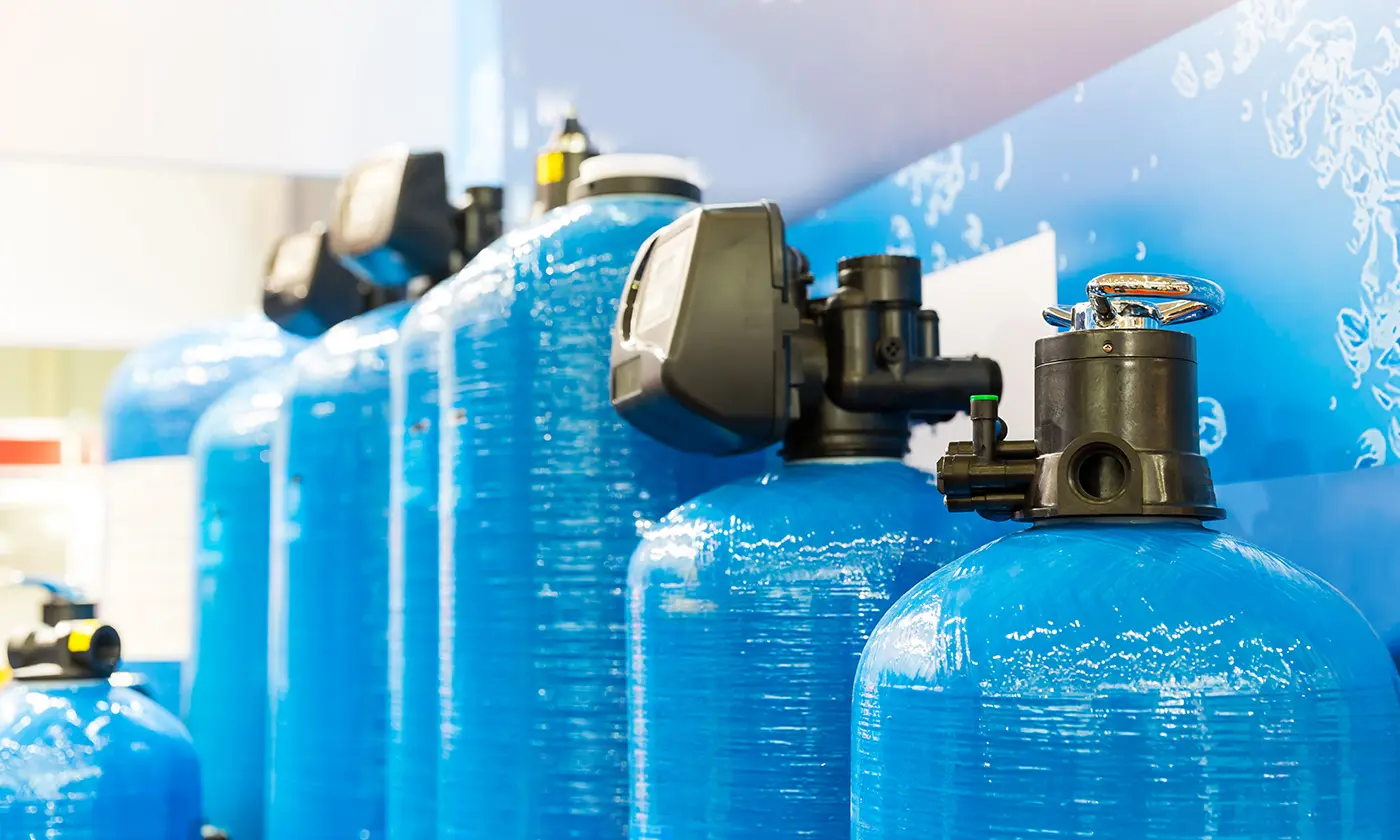
That’s where technology-forward solutions like the WaterTech filtration system have made a difference. These aren’t the clunky add-ons your grandparents wrestled with. Modern systems are sleek, efficient, and designed to handle whole-house needs. Imagine one system quietly ensuring that every tap, every shower, every load of laundry gets water that’s been stripped of unnecessary baggage. It doesn’t just change the taste—it changes the feel of living with water.
Small shifts, big outcomes
I often hear people say, “But I’ve been drinking tap water for years, and I’m fine.” And maybe that’s true—for now. But health isn’t just about avoiding illness today; it’s about setting up a better baseline for the decades ahead. The effects of poor-quality water are cumulative. It’s like eating fast food every day—sure, you won’t keel over immediately, but give it ten years and the body starts cashing the checks you’ve been writing.
By shifting to better filtration, you aren’t just buying cleaner water. You’re buying time, resilience, and comfort. Your coffee tastes smoother, your skin feels softer, your kids drink more water without grimacing. Those little things add up in ways you can’t always measure, but you definitely notice.
The mindset shift we all need
Here’s the thing: clean water isn’t really about luxury, it’s about respect—respect for the body, for the home, for the people you share your life with. We’ve become so used to chasing big lifestyle upgrades—new phones, cars, streaming services—that we forget the basics often carry the heaviest weight. Water is the backbone of everything we do. It deserves the same attention we give to the air we breathe or the food we eat.
And while not everyone can overhaul their entire system overnight, starting small still matters. Maybe it’s adding a filter to the kitchen sink first. Maybe it’s setting a goal to upgrade to whole-house filtration within a year. What matters is the shift in thinking: water isn’t just there; it’s worth protecting.
Wrapping it up
Life is already messy enough—emails piling up, deadlines sneaking closer, kids asking endless questions at dinner. The least we can do is take one major worry off the list: whether the water we drink is helping or harming us. Smart, science-backed filtration systems aren’t about paranoia, they’re about preparation. They’re a way to reclaim a little peace of mind in a world that feels increasingly uncertain.