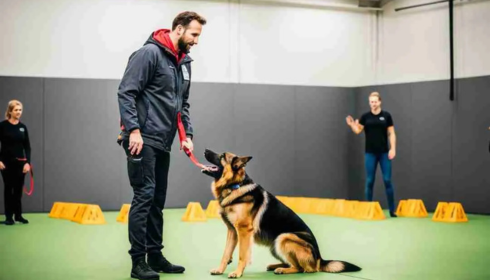
Walking a dog should feel calm, structured, and enjoyable. For many owners, however, daily walks become stressful due to pulling, lunging, barking, or distracted behavior. That is why leash control coaching for dogs Phoenix has become increasingly important for dog owners who want safer, more reliable behavior in public settings.
In a city filled with busy parks, neighborhoods, hiking trails, and outdoor activities, leash manners are more than a convenience. Proper leash control supports safety, communication, and confidence for both dogs and handlers. When dogs learn how to walk with focus and composure, owners gain more freedom to enjoy everyday outings without frustration or constant correction.
At Rob’s Dog Training, leash coaching focuses on practical behavior that applies to real-life situations. The goal is not simply to stop pulling for a few minutes during a lesson. It is to help dogs develop reliable walking habits that carry over into daily routines and different environments.
Why Leash Problems Develop
Many leash-related behaviors start unintentionally. Puppies and young dogs naturally move toward stimulation, whether that means people, scents, other animals, or moving objects. Without guidance, dogs learn that pulling often gets them where they want to go faster.
Over time, several common issues can develop:
- Constant leash pulling
- Jumping toward people
- Reactivity toward dogs
- Excessive excitement during walks
- Ignoring verbal commands outdoors
- Sudden lunging or darting
- Difficulty remaining calm in stimulating areas
Dogs are highly responsive to repetition and environmental reinforcement. If pulling consistently leads to forward movement, the behavior becomes stronger. Effective leash coaching changes those patterns by teaching dogs how to remain connected to the handler during distractions.
The Importance of Leash Control in Urban Environments
Phoenix offers countless opportunities for outdoor activity, but busy environments also create challenges for untrained dogs. Crowded sidewalks, traffic noise, bicycles, joggers, and outdoor dining areas can overwhelm dogs that lack impulse control.
Reliable leash behavior helps dogs navigate these situations more successfully. It also creates safer interactions with:
- Children
- Guests
- Other pets
- Cyclists
- Hikers
- Neighbors
- Veterinary staff
Strong leash manners are especially valuable in warmer climates where early morning and evening walks often place dogs in higher-traffic outdoor environments.
What Leash Control Coaching Actually Teaches
Many people assume leash training simply means teaching a dog not to pull. In reality, effective coaching addresses communication, focus, body awareness, and emotional control.
A structured leash coaching program often teaches dogs how to:
Maintain Position During Walks
Dogs learn to stay near the handler without excessive tension on the leash. This encourages calm movement and better awareness of direction changes.
Respond to Handler Cues
Reliable responses to commands such as “heel,” “leave it,” “sit,” and “place” help maintain control in distracting situations.
Manage Excitement Levels
Dogs that become overstimulated outdoors often struggle to focus. Coaching introduces calm behavioral patterns that help dogs remain composed.
Improve Environmental Confidence
Some dogs pull due to fear or uncertainty rather than excitement. Exposure-based training can help dogs build confidence around unfamiliar sights and sounds.
Develop Consistency
Dogs thrive on repetition and structure. Consistent leash expectations reduce confusion and improve long-term reliability.
Why Personalized Coaching Makes a Difference
Every dog learns differently. Breed tendencies, age, temperament, past experiences, and energy levels all influence leash behavior. A one-size-fits-all approach rarely addresses the root cause of pulling or reactivity.
Personalized leash control coaching for dogs Phoenix allows trainers to evaluate:
- Walking habits
- Behavioral triggers
- Handler timing
- Environmental distractions
- Communication consistency
- Physical handling techniques
This tailored approach often leads to faster progress because the training adapts to the dog rather than forcing the dog into a rigid system.
Common Mistakes Owners Make During Leash Training
Even dedicated dog owners can unintentionally reinforce unwanted leash behaviors. Recognizing these patterns is an important part of improving walk quality.
Inconsistent Rules
Allowing pulling sometimes while correcting it at other times confuses dogs. Consistency helps dogs understand expectations clearly.
Excessive Tension on the Leash
Constant leash pressure can create frustration or increase reactivity. Calm, controlled guidance is generally more effective.
Lack of Structure Before Walks
Many dogs become overstimulated before leaving the house. Excitement at the doorway often carries into the entire walk.
Walking Without Engagement
Dogs that never check in with their handler tend to become environmentally focused. Engagement exercises improve communication during movement.
Advancing Too Quickly
Taking dogs directly into highly stimulating environments before they master foundational skills often slows progress.
Building Engagement During Walks
One of the most important aspects of leash control is engagement. Dogs that remain mentally connected to their handler are more responsive during distractions.
Effective engagement techniques may include:
- Rewarding eye contact
- Direction changes during walks
- Structured pauses
- Calm verbal communication
- Controlled pace transitions
- Marker-based reinforcement
When dogs learn that staying connected to the handler leads to positive outcomes, leash behavior improves naturally.
The Role of Consistency in Training Success
Dogs learn through repetition and predictable patterns. Successful leash coaching depends heavily on consistent expectations both during training sessions and at home.
Consistency includes:
- Using the same commands
- Reinforcing calm behavior regularly
- Correcting unwanted behavior immediately
- Maintaining structured walking routines
- Practicing in different environments
Owners who apply training consistently outside formal sessions often see more reliable long-term results.
Why Mental Stimulation Supports Better Walks
Many leash issues are connected to excess energy or overstimulation. Dogs that lack mental outlets may struggle to focus outdoors because every walk becomes their primary source of excitement.
Mental enrichment activities can improve leash behavior significantly, including:
- Obedience exercises
- Scent games
- Structured play
- Puzzle feeders
- Place training
- Impulse control drills
Balanced dogs often demonstrate greater focus and calmer walking behavior.
Leash Control and Reactive Dogs
Some dogs react strongly to people, dogs, vehicles, or environmental triggers. Reactive behavior may include barking, lunging, growling, or hyper-fixation.
Leash coaching for reactive dogs focuses on several key goals:
- Reducing over-arousal
- Building neutrality
- Improving handler communication
- Increasing focus under distraction
- Creating safer walking experiences
Training reactive dogs requires patience and gradual exposure. Pushing dogs too quickly into stressful situations can increase behavioral intensity.
Why Handler Education Matters
Dog training is not only about teaching the dog. Owners also need to understand timing, body language, reinforcement, and handling techniques.
Coaching often helps owners learn how to:
- Read stress signals
- Maintain calm energy
- Use proper leash positioning
- Deliver commands clearly
- Reinforce desired behaviors consistently
When handlers improve communication, dogs often respond more reliably.
Real-World Training Creates Reliable Results
Controlled indoor environments are useful for introducing skills, but dogs also need practice in realistic settings. Real-world leash coaching exposes dogs to everyday distractions gradually and safely.
This may include training around:
- Sidewalk traffic
- Public parks
- Outdoor shopping centers
- Neighborhood activity
- Other dogs
- Pedestrians
- Urban sounds
Practical exposure helps dogs generalize obedience skills beyond structured lessons.
Long-Term Benefits of Leash Coaching
Reliable leash behavior affects more than daily walks. It often improves a dog’s overall quality of life and strengthens the relationship between dog and owner.
Long-term benefits may include:
- Safer public outings
- Reduced stress during walks
- Better obedience overall
- Increased owner confidence
- Improved social behavior
- More enjoyable exercise routines
- Greater trust between dog and handler
Dogs that can walk calmly are often easier to include in family activities and community settings.
Choosing the Right Training Approach
Not all leash training methods are equally effective for every dog. The best programs focus on communication, clarity, consistency, and realistic expectations.
When evaluating leash coaching programs, owners should look for:
- Practical real-world application
- Clear communication methods
- Individualized coaching
- Consistent structure
- Experience with behavioral challenges
- Owner education and involvement
Programs that prioritize long-term behavior development rather than quick temporary fixes often produce more dependable outcomes.
Final Thoughts
Effective leash control coaching for dogs Phoenix gives owners the tools needed to create calmer, safer, and more enjoyable walks. Strong leash behavior is not simply about obedience. It is about communication, trust, structure, and reliability in real-life situations.
Dogs that learn how to remain focused and composed during walks are better prepared to navigate busy environments confidently. Owners also gain greater peace of mind knowing they can guide their dogs safely through distractions and everyday activities.
With consistent training, proper guidance, and realistic expectations, programs offered by Rob’s Dog Training can improve far more than walking behavior alone. They can strengthen the overall relationship between dogs and their owners while creating better experiences both at home and in public.