Watches have been more than just time-telling tools for centuries; they have evolved into a statement of style, sophistication, and status. For men, selecting the perfect watch is not just about checking the time but making a statement about who they are. With countless styles, designs, and features available, choosing the right watch can be overwhelming. This ultimate guide will provide all the information you need to make an informed decision and select the perfect watch for any occasion.
Why every man needs the right watch
A watch is more than an accessory. It’s a reflection of your personality, taste, and even your social status. For men, watches have become a signature piece, enhancing their style while serving practical purposes. Whether you’re dressing for a formal event, a casual outing, or an outdoor adventure, the right watch is a crucial part of your look.
1. A watch that complements your style
Your choice of watch should align with your personal style. Whether you are into minimalist designs, classic elegance, or bold, oversized pieces, the perfect watch should reflect who you are. A high-quality watch can enhance your appearance, adding sophistication or edge to your outfit.
2. Practicality for every occasion
A watch is not just a fashion accessory; it’s also functional. Different types of watches are designed for specific occasions. For instance, a sports watch is ideal for active lifestyles, while a dress watch complements formal attire. A diver’s watch is suitable for those who love water sports, and a smartwatch serves the tech-savvy man who needs connectivity and tracking.
Types of watches to choose from
1. Analog vs. digital watches
Analog watches
Analog watches are the classic timepieces with a face featuring a traditional set of hands to indicate the time. These watches are perfect for formal events and offer a timeless elegance. Brands like Rolex, Omega, and Tag Heuer are renowned for their craftsmanship in analog watches, making them a solid choice for a refined look.
- Pros: Classic design, versatile, elegant.
- Cons: Requires winding or battery changes.
Digital watches
Digital watches display the time with numbers on an LCD or LED screen. They often come with additional features like a calendar, timer, and alarm. These watches are more casual and functional, perfect for those who appreciate modern technology. Popular brands like Casio and G-Shock offer digital watches designed for durability and practical use.
- Pros: Functional, easy-to-read, often feature-rich.
- Cons: Less formal, may lack elegance.
2. Dress watches vs. sports watches
Dress watches
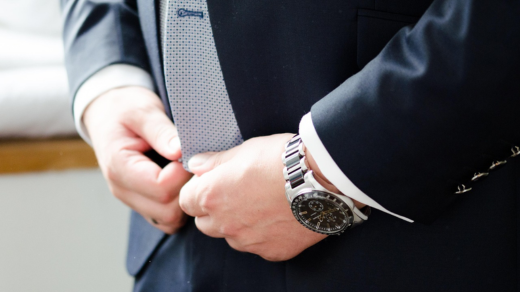
A dress watch is a refined timepiece designed to complement formal wear. Typically, dress watches are thin, sleek, and feature a simple design with a leather strap or metal bracelet. They are often paired with suits or tuxedos and are ideal for business meetings, weddings, and other formal events.
- Characteristics: Simple dial, slim profile, leather or metal strap, minimal design.
- Brands to consider: Patek Philippe, Vacheron Constantin, Jaeger-LeCoultre.
Sports watches
Sports watches are designed for durability, featuring robust cases, waterproofing, and often additional features like a stopwatch or altimeter. These watches are built to withstand the physical demands of sports and outdoor activities.
- Characteristics: Durable, shock-resistant, multifunctional.
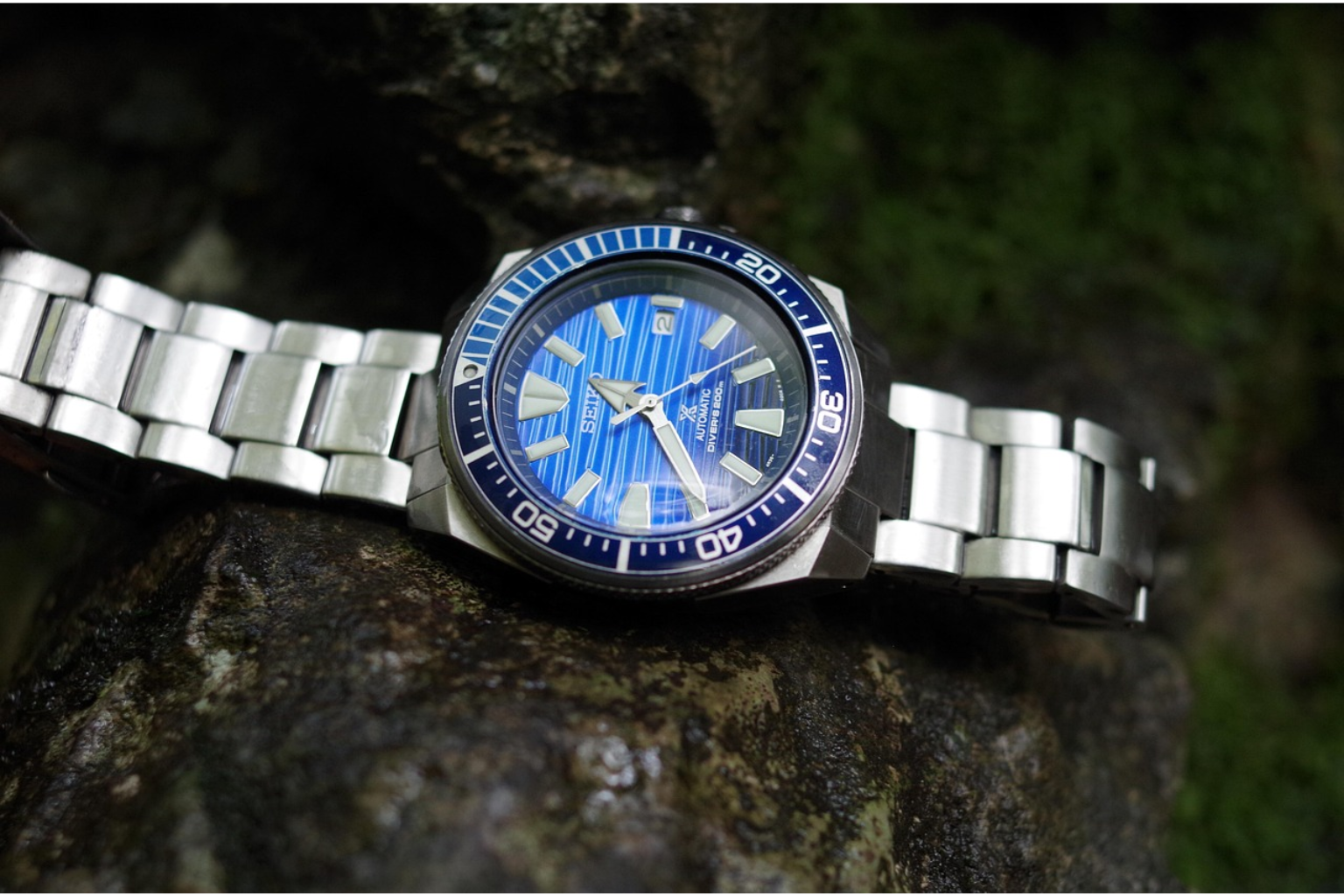
- Brands to consider: Rolex Submariner, Seiko, Casio G-Shock.
3. Luxury watches vs. everyday watches
Luxury watches
A luxury watch is more than just a timekeeping device – it is an investment. These watches are often handcrafted with high-quality materials such as gold, platinum, or diamonds. They come with intricate mechanical movements and are seen as status symbols.
- Characteristics: Expensive, crafted with precision, often collectible.
- Brands to consider: Rolex, Audemars Piguet, Vacheron Constantin.
Everyday watches
Everyday watches are more practical and affordable, but they still offer style and functionality. These watches are designed for daily wear and can range from basic to stylish options. Many mid-range brands offer excellent everyday watches that provide reliability and durability without breaking the bank.
- Characteristics: Affordable, durable, practical.
- Brands to consider: Seiko, Timex, Citizen.
Key features to consider when choosing a watch
1. Case size and material
Choosing the right case size
The case size of a watch refers to the diameter of the watch face. Men with larger wrists often prefer larger cases (42mm and above), while those with smaller wrists may feel more comfortable with a case size between 38mm and 40mm. The right case size should complement the proportion of your wrist.
Material
Watch cases can be made from various materials, including stainless steel, titanium, gold, or ceramic. Stainless steel is the most common material, offering durability and versatility. Gold and platinum cases are often used for luxury watches, providing a refined, prestigious look.
- Stainless steel: Durable and versatile.
- Titanium: Lightweight and hypoallergenic.
- Gold/platinum: Luxurious and elegant.
2. Movement type: quartz vs. mechanical
Quartz movement
Quartz watches are powered by a battery and are known for their precision and affordability. These watches require little to no maintenance, making them ideal for everyday wear. The accuracy of a quartz watch is unmatched, with minimal deviation over time.
- Pros: Accurate, low-maintenance, affordable.
- Cons: Less craftsmanship involved.
Mechanical movement
Mechanical watches are powered by the motion of the wearer’s wrist or by winding the crown. These watches often have intricate movements, making them a favorite among collectors and watch enthusiasts. Automatic watches are a type of mechanical watch that doesn’t require winding as long as the wearer keeps it moving.
- Pros: Craftsmanship, timeless appeal, collectible.
- Cons: Requires maintenance, more expensive.
3. Strap material: leather, metal, or rubber?
Leather straps
Leather straps are classic and versatile, offering a sophisticated look for both casual and formal wear. Leather is comfortable, breathable, and often ages well, giving the watch a more vintage appeal over time. However, leather can wear out and may need replacing after a few years.
- Pros: Comfortable, stylish, classic.
- Cons: Can wear out over time, less durable than metal or rubber.
Metal straps
Metal straps, typically made from stainless steel, offer durability and elegance. They can be more adjustable than leather straps, and their sleek, polished look makes them suitable for formal occasions. However, they can be heavier than leather or rubber.
- Pros: Durable, adjustable, sleek.
- Cons: Heavier, less comfortable for long periods.
Rubber straps
Rubber or silicone straps are perfect for sports watches and those with an active lifestyle. These straps are lightweight, flexible, and resistant to water and sweat. They are ideal for sports and outdoor activities but may not be suitable for formal wear.
- Pros: Comfortable, durable, water-resistant.
- Cons: Less formal, can degrade with time.
4. Water resistance
Water resistance is an essential feature to consider, especially if you plan on using your watch for outdoor activities. Watches with higher water resistance can withstand immersion in water up to certain depths. If you’re into swimming or diving, look for watches rated for 200 meters or more. For general use, 50 meters of water resistance is sufficient.
- Basic water resistance: 30 meters – splash-resistant.
- Mid-range water resistance: 100 meters – suitable for swimming.
- High-end water resistance: 200 meters and beyond – ideal for diving.
5. Additional features to look for
Complications and features
Some watches come with additional features, known as complications. These features can include a chronograph (stopwatch), date display, dual time zone, or even moonphase complications. When selecting a watch, consider the additional features that align with your lifestyle.
Smart features
For tech enthusiasts, smartwatches have become an excellent option. These watches offer fitness tracking, notifications, GPS, and much more, all while retaining the look of a traditional watch.
- Popular brands: Apple, Samsung, Garmin.