
Strategic Link Building Services: 9 Advanced SEO Strategies for Sustainable Rankings in 2026
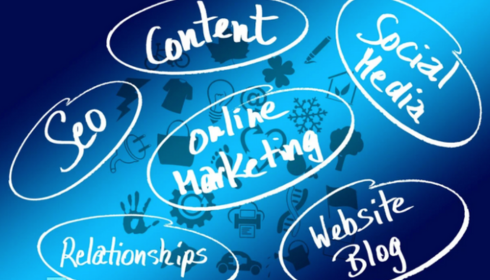
As search engines continue to evolve, link building remains a foundational pillar of SEO, but the approach in 2026 looks very different from outdated volume-driven tactics. Modern link building services focus on authority, relevance, and long-term value rather than short-term gains. Businesses that invest in strategic, ethical link acquisition build resilient rankings that withstand algorithm updates and competitive pressure.
Image source: pixabay.com
This guide explores nine advanced link building strategies designed for sustainable SEO performance. Each strategy emphasizes execution, quality control, and measurable outcomes within the broader digital marketing landscape.
1. Authority-First Digital PR Campaigns
Digital PR service has become one of the most powerful link building strategies because it earns links from trusted publications rather than manufactured sources. The goal is to position your brand as a credible authority worthy of editorial citations.
Execution starts with identifying newsworthy angles such as proprietary data, original research, expert commentary, or trend analysis relevant to your industry. Create a compelling story and pitch it to journalists, editors, and content managers at authoritative publications. Use media databases or outreach platforms to find the right contacts.
For example, a SaaS company might publish a report on emerging AI marketing trends and secure coverage from industry blogs and business news sites. Each earned mention includes a contextual backlink that strengthens domain authority while also driving referral traffic.
2. Data-Driven Content Assets That Attract Natural Links
Linkable assets are content pieces designed specifically to earn links organically over time. In 2026, the most effective assets are rooted in original data and deep insights rather than generic explanations.
To execute this strategy, identify recurring questions or data gaps in your industry. Conduct surveys, analyze internal datasets, or aggregate public data into a unique resource. Present the findings through long-form articles, visualizations, or interactive tools optimized for clarity and shareability.
As an example, a digital marketing agency could publish annual benchmarks on conversion rates by industry. Bloggers, analysts, and journalists reference the data in their own content, generating consistent backlinks without ongoing outreach.
3. Contextual Link Placement Through Content Partnerships
Contextual links placed naturally within high-quality content remain more valuable than sidebar or author bio links. Content partnerships allow brands to earn these links through collaboration rather than transactional placement.
The process begins by identifying publishers and blogs that serve your target audience and maintain strong editorial standards. Pitch value-driven content ideas that complement their existing topics. The content should educate readers while incorporating a relevant link to your site as a supporting resource.
For instance, an ecommerce brand could collaborate with a marketing blog on a guide about customer retention strategies. A contextual link to a detailed retention case study on the brand’s site adds value for readers and signals relevance to search engines.
4. Strategic Guest Posting With Editorial Standards
Guest posting still works when executed with quality and intent. The key difference in 2026 is that publishers expect expert-level contributions, not promotional articles.
To implement this strategy, build a shortlist of reputable websites with strong organic traffic and engaged audiences. Study their content guidelines and publishing style. Pitch article ideas that demonstrate subject matter expertise and address real audience pain points.
For example, a B2B consultant might contribute an in-depth article on revenue attribution models to a marketing publication. The backlink to their site appears naturally within the content as a reference point, reinforcing authority rather than acting as an advertisement.
5. Link Reclamation and Brand Mention Optimization
Many brands already have unlinked mentions across the web that represent missed SEO opportunities. Link reclamation is one of the most efficient strategies because it targets existing awareness.
Execution involves monitoring brand mentions using SEO tools or media monitoring platforms. Identify instances where your brand, product, or content is mentioned without a hyperlink. Reach out to the publisher with a polite request to add a relevant link.
For example, if a blog references your research study but does not link to the source, a simple outreach email can often secure the link. Over time, reclaiming these links strengthens your backlink profile with minimal content creation effort.
6. Resource Page and Evergreen Content Link Building
Resource pages remain valuable link sources when relevance is prioritized. These pages curate helpful tools, guides, and references for specific audiences.
Start by identifying resource pages related to your niche through targeted search queries. Analyze the existing links to understand editorial expectations. Then create or optimize evergreen content that genuinely deserves inclusion.
As an example, a marketing automation company might develop a comprehensive email deliverability guide. Outreach to digital marketing resource pages positions the guide as a valuable educational asset, earning stable backlinks that persist for years.
7. Advanced Competitor Backlink Gap Analysis
Competitor analysis has evolved beyond copying links. In 2026, the focus is on understanding why competitors earn links and creating superior alternatives.
The execution process includes analyzing top-ranking competitors to identify shared link sources, content formats, and themes. Look for patterns such as industry roundups, research citations, or thought leadership contributions. Then develop content that improves upon those assets in depth and usefulness.
For example, if competitors earn links from marketing statistics articles, publishing a more current and detailed version increases your chances of acquiring similar or better links through outreach and organic discovery.
8. Relationship-Based Outreach for Long-Term Link Growth
Sustainable link building is built on relationships, not one-off emails. Relationship-based outreach focuses on long-term collaboration with publishers, creators, and industry influencers.
Begin by engaging with prospects before pitching links. Share their content, provide thoughtful feedback, or reference their work in your own articles. Once a relationship is established, outreach becomes more natural and effective.
For instance, a content strategist who regularly collaborates with industry bloggers may receive recurring link opportunities through co-created content, interviews, or expert roundups. These relationships compound over time, creating a steady stream of high-quality backlinks.
Strategic link building in 2026 is defined by quality, relevance, and execution discipline. By focusing on authority-driven tactics, data-backed assets, and genuine relationships, businesses can build backlink profiles that support sustainable rankings and long-term digital growth.
Leave a Reply
You must be logged in to post a comment.

Leave a Comment