Blog

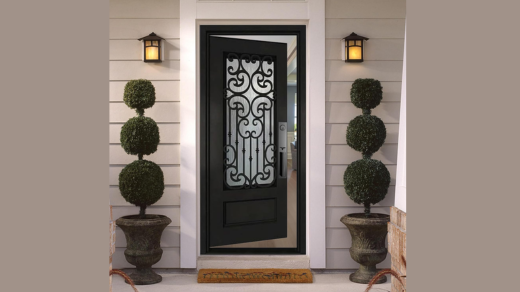
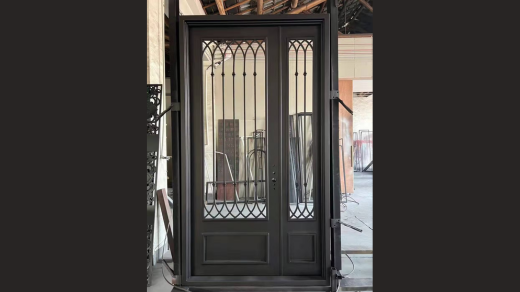
  • Iron Elegance in a Single Swing: Why One Door Can Make All the Difference

    Iron Elegance in a Single Swing: Why One Door Can Make All the Difference

    Sometimes, all it takes is one great decision to elevate an entire space. One standout chair in a living room. One beautiful light fixture in the entryway. Or—let’s talk about the real hero here—one strong, stylish front door. Not just any door, though. We’re talking about a single iron door, and all the quiet confidence that comes with it.

    You’ve probably seen them before without thinking much about it—tall, dark, and handsome, with slim black framing and glass inserts that seem to glow at golden hour. They can be sleek and modern or classically ornate. Either way, a well-chosen iron door does something that most other materials can’t: it manages to feel both strong and beautiful at the same time.

    Let’s dig into why this one design choice can make a serious impact—and how to get the most out of it.


    The Strength You Can Feel (And See)

    There’s no denying it—iron feels different. Whether you’re opening a slim single entry door or a towering double, it has weight. Substance. It doesn’t rattle. It doesn’t flex. When you close it behind you, it clicks shut with authority.

    That kind of durability isn’t just a nice feature—it’s peace of mind. A wrought iron single door offers strength against weather, warping, and yes, even unwanted visitors. Iron doesn’t rot. It doesn’t swell. And with a protective powder-coated finish, it doesn’t rust easily either.

    So yeah, it’s beautiful. But it also means business.


    The Single Door with Big Personality

    Not every home needs a double door entryway. In fact, most don’t. And that’s exactly where the single iron door shines.

    It’s perfect for homes with modest entry spaces—where a bulky double door might feel overkill. It works in narrow foyers, small porches, and city row houses where square footage is gold. But don’t let the word “single” fool you—it still delivers on drama.

    Whether you’re leaning toward clean horizontal lines and clear glass for a contemporary look, or intricate scrollwork with frosted panels for old-world charm, there’s a style to fit your home and your vibe.

    And don’t forget: it’s not just for the front. A single entry iron door can be used for back doors, garden entrances, or even interior transitions like a wine cellar or sunroom. It brings consistency to your aesthetic, without overwhelming the space.


    Letting Light In Without Losing Security

    One of the best things about iron doors is how well they pair with glass. Iron provides the structure and strength. Glass lets the light in. Together, they give you the best of both worlds.

    Want privacy? Go with frosted, ribbed, or tinted glass. Want more sunlight? Choose clear panes with ultra-slim muntins (those are the grid lines, in case you’re wondering). Either way, you don’t have to choose between light and security.

    Many modern single iron doors are designed with double- or triple-pane glass, which helps with insulation and noise reduction, too. So it’s not just about looks—it’s about comfort and function.


    But What About the Cost?

    Iron has a bit of a reputation for being, well, fancy. And yes, custom-designed doors with artisan-level craftsmanship can get pricey. But here’s the thing—there are more affordable options on the market now than ever before.

    Mass-produced designs, standard sizing, and wider distribution mean that a high-quality single iron door isn’t necessarily a luxury buy anymore. You can find elegant, durable options that don’t blow your renovation budget out of the water.

    The key is to do your research. Read reviews. Ask for photos of the doors in actual homes. Make sure the supplier uses quality materials and offers good insulation and weather resistance. And if you can find a door that comes pre-hung in its own frame? That’s a big bonus when it comes to installation.


    Style Tips for Pulling It All Together

    Here’s where the fun starts. Choosing the right iron door for your space is a little like choosing the perfect jacket. You want something that fits your personality but also plays well with the rest of your wardrobe—or in this case, your house.

    • Modern minimalist? Go for thin framing, clear glass, and matte black finishes.
    • Traditional or farmhouse? Try a more decorative grille with warm bronze or antique black.
    • Industrial loft? Consider steel-gray finishes with ribbed or reeded glass.
    • Mediterranean or Spanish-style? Arched tops and hand-forged details will fit right in.

    Don’t forget the hardware. A simple lever handle can keep things modern. A twisted or hammered iron pull gives it an artisan touch. And lighting—sconces, overhead lanterns, or even landscape lighting—can make your door pop after dark.


    Final Thoughts: One Door, Endless Possibilities

    We often focus on the big-ticket upgrades in home design—kitchens, flooring, major renovations. But sometimes, the most meaningful impact comes from something much simpler.

    A single iron door, wrought iron single door, single entry iron door—whatever you call it—can be a small architectural gesture with a lasting effect. It creates a welcome that feels thoughtful. It tells the story of a home that’s been curated, not just built. And it quietly says: someone lives here who cares about the details.

    So if you’re looking for that one upgrade that feels grounded, elegant, and—frankly—unshakably cool, maybe it’s time to give iron a swing. One door, done right, really can change everything.
  • Wired for Comfort: Why Residential Electricians Are the Backbone of Every Safe and Functional Home

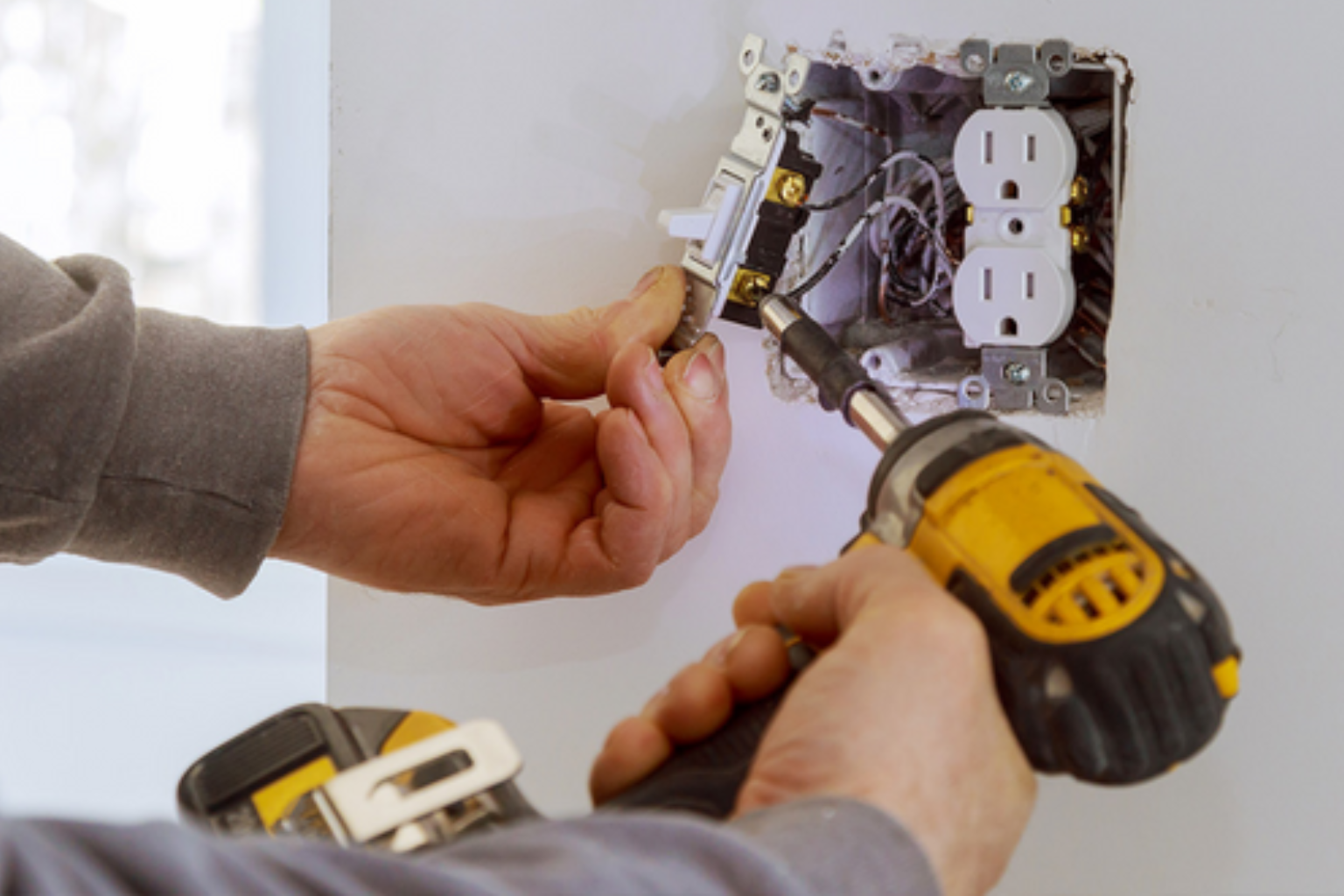
    Wired for Comfort: Why Residential Electricians Are the Backbone of Every Safe and Functional Home

    There’s something oddly comforting about flipping a switch and watching a room light up. Or plugging in your phone and watching it come back to life. We don’t really think about electricity until it stops doing what it’s supposed to. But when it does—when the lights flicker, a breaker trips, or that one outlet in the hallway just gives up—suddenly, it’s all we can think about.

    That’s when a calm, capable voice on the other end of the phone becomes a lifeline. Enter the residential electricians, the folks who show up with a flashlight in one hand and answers in the other.


    The Real Story Behind That Light Switch

    Residential electrical systems are one of those things that most people just hope never to deal with. But every home, no matter how new or how well-built, eventually runs into a situation where it needs attention from someone who knows exactly what they’re doing.

    It could be as simple as installing a ceiling fan. Or as big as a full panel upgrade in a 40-year-old home. Either way, a residential electrician is your go-to problem-solver—the kind who not only diagnoses the issue but takes the time to explain what’s happening and how to fix it.

    And if you’ve ever dealt with an unexpected power issue, you already know: clear communication is half the battle.


    The Modern Home Is a Power-Hungry Beast

    Take a second and count the devices you have plugged in. TV, fridge, computer, modem, phone charger, washer/dryer, air fryer, maybe a treadmill? And that’s just the everyday stuff. Add in smart home systems, security cameras, and electric vehicle chargers, and it’s clear that today’s homes are pushing the limits of older wiring setups.

    That’s why more and more homeowners are calling in residential electricians not just for repairs, but for upgrades. Swapping out ancient breaker boxes. Installing grounded outlets. Running dedicated lines for high-wattage appliances.

    This isn’t about vanity—it’s about safety and efficiency. Because that flickering kitchen light? It might be telling you something important.


    Not Just Fixers—They’re Planners Too

    There’s a misconception that electricians only show up when something breaks. And while they’re absolutely the ones you want when your outlets start sparking, they’re just as valuable before the sparks ever start.

    Renovating your home? Planning a backyard addition or remodeling a bathroom? A residential electrician should be one of your first calls. They’ll help map out where your power needs will be, make sure your system can handle it, and help you avoid costly mistakes down the line (like realizing too late that your new hot tub and kitchen remodel are fighting over the same circuit).

    They also know the local codes—because let’s be honest, most of us don’t even know where to find that information, much less how to interpret it.


    Old Homes, Meet New Technology

    There’s something special about older homes—the character, the charm, the creaky floors that tell a story. But let’s not romanticize the electrical systems in those houses too much.

    Homes built before the 1980s often weren’t wired with today’s electrical loads in mind. Two-prong outlets, aluminum wiring, ungrounded systems—all of it still exists in homes across the country. And if you’re living in one of them, you need to be extra cautious.

    A seasoned residential electrician won’t just patch things up. They’ll help modernize your system in a way that honors the home’s structure while bringing it into the 21st century.


    What Makes a Good Residential Electrician?

    Let’s face it—letting someone into your home to mess with your wiring takes a lot of trust. You want someone who’s professional, respectful, and who doesn’t treat you like you’re clueless just because you’re not an electrician yourself.

    Look for someone who’s licensed and insured, sure. But also look for someone who explains things without being condescending, who respects your time, and who takes pride in doing the job right the first time.

    Bonus points if they leave their workspace cleaner than they found it. You’d be surprised how rare that is—and how appreciated.


    When to Make the Call

    You don’t have to wait until something blows up (please don’t) to call an electrician. Some signs to watch for:

    • Lights that dim when you use certain appliances
    • Outlets that feel warm to the touch
    • Burning smells near switches or panels
    • Frequently tripping breakers
    • Buzzing sounds coming from your panel box
    • No GFCI outlets in kitchens or bathrooms

    Any of those? Time to bring in the pros.


    One Final Thought: It’s About More Than Just Electricity

    Here’s what most people forget—when you hire a residential electrician, you’re not just paying for their time. You’re investing in peace of mind. In safety. In knowing your kids can plug in their devices, your AC will run all summer, and your holiday lights won’t knock out half your block.

    It’s not just about what’s behind the walls—it’s about the life that happens because of what’s behind those walls.

    So whether you’re building a new home, upgrading an old one, or just need someone to figure out why that one light switch still doesn’t seem to do anything, don’t leave it to chance. Call a pro who knows their craft—and who understands that good electrical work is about a whole lot more than just wires.

    It’s about comfort. It’s about safety. It’s about home.

  • Iron Doors That Do More Than Just Guard Your Home

    Iron Doors That Do More Than Just Guard Your Home

    Let’s start with the truth: not all doors are created equal. Some are thin, noisy, and forgettable—barely more than an afterthought between drywall and a welcome mat. Others? They make a statement. They say strength, style, and security—without screaming it.

    That’s where iron entry doors come in.

    These aren’t just slabs of steel designed to lock up a space. They’re crafted elements of architecture that hold presence. They frame the sunlight, greet guests, and close with a satisfying, confidence-inducing thud. And here’s the best part—they don’t have to cost a fortune. Thanks to a growing market of iron doors for sale, homeowners now have access to options that are both stylish and budget-conscious. Yep, even cheap iron doors that don’t look—or feel—cheap at all.

    So, if you’re in the middle of a renovation or just dreaming of elevating your front entryway, pull up a chair. This one’s for you.


    Why Iron?

    There’s a reason why iron doors are used in everything from suburban homes to high-end villas and modern industrial builds. They offer a combination of performance and design that few other materials can match.

    1. Security. This one’s obvious. Iron is strong. We’re talking keep-out-the-bad-guys strong. Even basic models offer resistance to forced entry that blows standard wood or fiberglass options out of the water.

    2. Durability. These doors are made to last. Properly finished and sealed iron won’t warp, swell, or crack the way natural materials do. With minimal maintenance, they’ll still be swinging strong in 20+ years.

    3. Curb Appeal. From classic scrollwork to clean, modern lines, iron doors come in a dizzying variety of styles. Want something gothic and dramatic? Done. Prefer a sleek, minimal design with frosted glass inserts? Also done. There’s an iron door for almost every taste—and seeing one on a house often tells you something about who lives there. Intentional. Bold. Tasteful.


    The Price Myth (and Where It Breaks Down)

    Once upon a time, iron doors were reserved for the elite. Custom-made, hand-forged, artisan-level stuff that could run into the thousands—and that was before delivery and installation.

    But the market has shifted. Manufacturing technology has improved, demand has increased, and now there are iron doors for sale across a wide range of budgets.

    Don’t be fooled into thinking that “cheap” means poor quality. Many cheap iron doors are discounted due to overstock, discontinued models, or minor cosmetic blemishes—nothing that impacts strength or functionality. You can often find showroom-quality doors for a fraction of their original price if you know where to look (more on that in a sec).

    The key is knowing what matters and what doesn’t.


    What to Look For (and Look Out For)

    If you’re shopping smart, keep your eyes on these details:

    • Gauge of Iron: Heavier is better. Look for 12 to 14 gauge steel frames—thicker doors mean more insulation, strength, and soundproofing.
    • Finish: A quality powder-coat finish resists rust and fading. This is especially important if you live in a humid or coastal area.
    • Glass Options: Double- or triple-glazed glass adds insulation and can even help with noise. Wrought iron overlays are a popular style detail.
    • Energy Efficiency: Look for foam-filled cores and tight-sealing frames. You don’t want that dramatic look to come with a drafty price tag.
    • Swing Direction and Size: Seems basic, but it’s a surprisingly common mistake. Know whether you need a left-hand or right-hand swing—and always measure the rough opening (not just the existing door).

    Where to Find Deals That Don’t Disappoint

    Now, let’s talk about actually getting your hands on one of these.

    • Online retailers often run clearance events. Set price alerts or check their “Last Chance” or “Overstock” sections.
    • Local building supply warehouses can be a goldmine, especially if they carry overstock from contractors or canceled custom orders.
    • Architectural salvage yards are worth a look if you love unique styles or want a vintage vibe.
    • Direct-from-manufacturer sales are another smart path—especially if you’re OK with a bit of a wait for shipping.

    And if you’re shopping online? Always ask for real photos. Stock images can be deceiving, and you want to know exactly what you’re getting.


    Installation Isn’t a DIY Sunday Project (Usually)

    Iron doors are heavy. A standard iron entry door can weigh 250–500 pounds depending on design. This isn’t a “call your buddy and bring a level” kind of job—at least not if you want it done right.

    That said, many sellers offer installation support or can connect you with local professionals. Factor that cost into your budget, and know that a properly installed iron door doesn’t just look better—it functions better, seals tighter, and keeps your home safer.


    Finishing Touches That Matter

    Don’t forget the details. Once your iron door is in place, little touches can take it from strong to stunning:

    • Swap out generic handles for a bold matte black or antique bronze set.
    • Add lighting that complements your door’s design—like a hanging pendant or symmetrical wall sconces.
    • Consider potted plants, a welcome mat, or house numbers that match your door’s vibe.

    It’s these finishing flourishes that turn your iron entryway into something memorable.


    Final Thoughts: Strong Looks Good on a Home

    So here’s the real takeaway: Iron doors aren’t just for castles and custom homes anymore. They’re for anyone who wants their house to say something meaningful the moment you walk up.

    With more iron doors for sale than ever before—and plenty of cheap iron doors that hold their own in both design and durability—now’s the time to make a choice that’s as practical as it is powerful.

    Whether you’re adding curb appeal, upgrading security, or just craving a little architectural drama, iron entry doors bring a whole lot to the table. Strong, stylish, and surprisingly affordable? That’s a door worth opening.

  • When the Trash Stops Compacting: A Real-Life Look at Trash Compactor Repair

    When the Trash Stops Compacting: A Real-Life Look at Trash Compactor Repair

    It’s the kind of appliance you barely notice—until it stops working. Tucked neatly into your kitchen cabinetry, the trash compactor quietly does its job day in and day out, squashing garbage down to a manageable pile and saving you from constant trips to the outside bin. But when that quiet hum turns into silence… or worse, a stubborn buzzing noise with no movement? That’s when it becomes very noticeable.

    And suddenly, you’re stuck with a half-crushed bag of trash, a smelly situation, and a question most people never expect to ask: “Do I need trash compactor repair?”

    The short answer? Probably. But let’s break down the long version—what can go wrong, when it makes sense to fix it, and how to make the repair process feel less like a hassle and more like a quick win.


    The Trash Compactor: Unsung Hero of the Modern Kitchen

    Let’s give it a little credit. The trash compactor doesn’t get the same attention as the fridge or oven. There are no sleek displays or touch screens. But what it does offer is convenience. It cuts down on trash volume, keeps things tidier, and makes you feel just a little more organized.

    Until it doesn’t.

    When a compactor fails, it often becomes a bottleneck in your kitchen workflow. Garbage piles up faster. The bin smells. And there’s this clunky box taking up space, doing nothing, reminding you every time you walk by that something isn’t working right.


    What Can Actually Go Wrong?

    Trash compactors, despite their simple appearance, have several moving parts working in unison. Over time, wear and tear—or just plain bad luck—can throw things out of sync.

    Some common compactor issues include:

    • The drawer won’t open or close properly – Could be misaligned tracks, stuck rollers, or a damaged latch.
    • The motor hums but nothing moves – Usually a sign of a jammed ram, worn-out drive gear, or a broken motor switch.
    • It won’t start at all – Dead power supply, faulty switches, or a tripped safety interlock.
    • It won’t stop running – Yikes. This could mean a stuck start switch or a failed drive motor.
    • Strange noises – Grinding, banging, or whining sounds can point to internal wear.

    Even if the unit still seems to work “sort of okay,” any of these symptoms can worsen over time—and lead to bigger, costlier damage if ignored.


    Can You Fix It Yourself?

    Maybe. It depends on the issue. If it’s a jam caused by a poorly placed bottle or some sticky buildup on the tracks? That’s a quick clean-and-reset kind of job. Unplug the unit, check for obstructions, and you might be back in business in 15 minutes.

    But for anything involving the motor, switches, or internal mechanics? That’s a different story.

    These machines operate using high compression force and electrical components—two things that don’t mix well with trial-and-error fixes. You don’t want to accidentally misalign something, damage a gear, or get hurt in the process.

    If your troubleshooting didn’t solve it quickly and safely, it’s time to bring in someone trained in trash compactor repair.


    What Makes a Good Trash Compactor Repair Tech?

    Not every appliance tech is experienced with compactors—they’re a little niche, after all. So when looking for someone to repair yours, you’ll want a professional who:

    • Has specific experience with trash compactors – Especially with your brand and model.
    • Can source the right parts quickly – Some compactor components are harder to find, especially for older units.
    • Explains the issue clearly – No tech jargon, just honest insight into what’s wrong.
    • Quotes upfront pricing – So you’re not left guessing what the bill’s going to be.
    • Offers warranty-backed repairs – Peace of mind is part of the service.

    A reliable repair tech won’t pressure you into unnecessary fixes or replacements. They’ll tell you if the repair is worth it—or if it’s time to start browsing for a new unit.


    Is It Worth Repairing or Replacing?

    A big question, and one that depends on a few factors. Here’s a rough guide:

    • If your compactor is under 10 years old, and this is its first major issue? Definitely worth a repair.
    • If it’s older and parts are tough to find, or it’s had multiple problems in the past? Might be time to retire it.
    • If the fix is under $250 and the unit still fits your needs? Repairing probably makes more sense.

    But don’t guess—ask a technician. A good one will be honest about whether it’s smarter to repair or replace.


    How to Prevent Future Compactor Woes

    Once it’s up and running again, you’ll want to keep it that way. A few easy habits can help extend your compactor’s life:

    • Don’t overload it – One extra pizza box can stress the motor.
    • Wipe down the drawer regularly – Spilled liquids and sticky messes can lead to jams.
    • Check the bags – Make sure they’re properly secured and sized for your model.
    • Listen to it – Any unusual sounds or patterns should be your early warning.

    Treat your compactor like the helpful tool it is, and it’ll keep serving you without fuss.


    Final Thought: Don’t Let a Broken Compactor Become a Bigger Headache

    It’s easy to ignore a non-working compactor for a while. After all, it’s not the fridge, right? But the longer it sits broken, the more annoying it becomes—and the more likely small issues turn into big ones.

    So if your compactor’s stuck, noisy, or just plain dead, don’t wait it out. Call in a professional who specializes in trash compactor repair, trash compactor repair, and get the problem solved before you’re stuck hauling bags to the curb every other day.

    A working compactor might not feel like a luxury—until you don’t have one.

  • Beyond the Tap: Why Water Treatment in New Jersey Towns Like Paterson, Toms River, and Woodbury Matters Now More Than Ever

    Beyond the Tap: Why Water Treatment in New Jersey Towns Like Paterson, Toms River, and Woodbury Matters Now More Than Ever

    You don’t need to be a chemist to know when your water’s off. Maybe it’s that odd taste in your morning coffee. Or the metallic smell when you turn on the shower. Or maybe it’s just the subtle feeling that your skin’s a little drier than it should be. Most of us ignore these small red flags—until they become bigger problems. But the truth is, water quality varies drastically even within the same state, and New Jersey is no exception.

    Let’s take a closer look at how communities like Paterson, Toms River, and Woodbury are handling one of the most overlooked parts of everyday life: the water that runs through our homes, offices, schools, and lives.


    Paterson: A City with Deep Water Roots—and Modern Challenges

    Paterson, once powered by the mighty Passaic River, is no stranger to the importance of water. Its history as a manufacturing hub owes a lot to flowing water. But like many aging cities, modern water systems here face a blend of infrastructure fatigue and changing environmental standards.

    In recent years, Paterson residents have seen their share of concerns—whether it’s elevated lead levels in older pipes or hard water mineral content leaving limescale across fixtures. For homeowners and businesses alike, investing in localized water treatment in Paterson has become less of a luxury and more of a necessity.

    Whole-house filtration systems are becoming more common here. They filter out sediments, reduce chlorine taste, and tackle heavy metals. And for homes with older plumbing? Point-of-use systems like reverse osmosis can act as a last line of defense—giving families the confidence to drink straight from the tap again.


    Toms River: Coastal Beauty Meets Water Reality

    Living by the Jersey Shore has its perks—beach views, salty breezes, and a laid-back lifestyle. But it also brings its own set of water quality challenges.

    Toms River draws a mix of its water from surface and ground sources, and while it’s generally well-regulated, locals often deal with issues like iron, manganese, and occasional sulfur smells. These aren’t necessarily harmful, but they sure aren’t pleasant.

    The good news? Residents have become savvy. They’re taking proactive steps by incorporating filtration and softening systems into their homes—especially in areas with private wells.

    There’s been a notable uptick in water treament in Toms River (yes, we caught that little typo—hey, we’re human too). Whether it’s UV filtration for added disinfection, carbon filters for taste and odor, or softeners for stubborn mineral content, people here are increasingly prioritizing water quality. Because if you’re going to live by the water, shouldn’t the water inside your home be just as clean and refreshing?


    Woodbury: Small-Town Values, Big Focus on Clean Water

    Woodbury might fly under the radar compared to larger cities, but when it comes to clean water, this Gloucester County gem isn’t taking any chances.

    With a mix of old and new infrastructure, and neighborhoods that span everything from century-old homes to new builds, water quality needs here can be a bit of a patchwork. In some spots, residents report hard water. In others, it’s all about chlorine taste or sediment issues.

    And like many parts of Jersey, groundwater concerns (especially near former industrial zones) have prompted locals to look into filtration more seriously.

    That’s where water treatment in Woodbury becomes key. More and more homeowners are scheduling water tests, exploring under-sink filtration systems, or even installing whole-home setups that protect everything from their pipes to their skin.

    And let’s be real—when your neighbors are raving about how their white laundry no longer comes out beige? You take notice.


    So, What Should You Be Doing?

    If you live in any of these areas—or frankly, anywhere with questionable water quality—the first step is always the same: test your water. You’d be surprised at what a simple analysis can reveal. It’s the foundation for everything else, whether you end up needing a basic pitcher filter or a full-blown multi-stage system.

    From there, consider your needs:

    • Want better-tasting drinking water? Try reverse osmosis or under-sink carbon filters.
    • Tired of soap not lathering and streaky dishes? A water softener may be your new best friend.
    • Concerned about lead or older plumbing? A whole-home system with a certified heavy metal filter might be the answer.

    And don’t forget about maintenance. Even the best systems need a little TLC—changing filters, cleaning tanks, and checking flow rates—to stay effective long-term.


    Final Thoughts: It’s Not Just Water—It’s Your Life

    It’s funny how something as basic as water can impact so much. Your health. Your comfort. Even your peace of mind. And while cities like Paterson, Toms River, and Woodbury each have their own stories and systems, the core truth remains: better water equals better living.

    Whether you’re dealing with rusty pipes in Paterson, iron in Toms River, or mineral build-up in Woodbury, there’s a fix out there—and it doesn’t have to be complicated or expensive. You just need to start by asking, What’s really in my water?

    Because once you take that first step, everything changes. Your shower feels better. Your dishes sparkle. Your coffee tastes richer. And every time you turn on the tap, you’ll know that what’s coming out is exactly what it should be—clean, safe, and crystal clear.

    And isn’t that what we all want, really? Just good, honest water we can trust.

  • The Truth in the Charts: How Medical Expert Witnesses Bring Clarity to the Courtroom

    The Truth in the Charts: How Medical Expert Witnesses Bring Clarity to the Courtroom

    In a perfect world, medical care would always go smoothly. Every diagnosis would be spot-on. Every treatment, timely. But we don’t live in that world. People make mistakes—sometimes small, sometimes devastating. And when those mistakes happen in healthcare, the consequences aren’t just frustrating. They can be life-changing.

    That’s when the courtroom enters the picture. But courts aren’t hospitals, and juries aren’t doctors. So who explains what should have happened, what didn’t, and why it matters?

    Enter the medical expert witness—the bridge between medicine and the law.

    When Medical Facts Become Legal Battles

    Healthcare lawsuits are different from most others. You’re not just arguing about contracts or property. You’re unpacking medical records, treatment protocols, timelines, and outcomes. Often, you’re trying to answer questions like: Was this harm avoidable? Did the provider follow the standard of care? Was the patient warned of risks?

    None of those can be answered with gut feelings. They require professional insight from someone who’s been in the trenches of patient care.

    That’s what makes medical expert witnesses so vital. They aren’t there to play lawyer. They’re there to tell the story behind the stethoscope—what happened, what should’ve happened, and what that means for the case at hand.

    What Does a Medical Expert Witness Do?

    First and foremost, they review the facts. That means scouring over every line of a patient’s chart, analyzing lab reports, prescriptions, progress notes, and more. They build a timeline. They assess decisions. They consider context.

    But most importantly—they compare the care provided to the standard of care. That’s the key phrase in malpractice and negligence cases. It’s not about perfection. It’s about whether a competent medical professional would’ve acted the same way under similar circumstances.

    Once their evaluation is complete, the expert prepares a report. That document might be used to support a legal claim or rebut one. And if the case goes to trial, the expert may testify, helping the court understand complex medical language in plain, clear terms.

    Their testimony can be the moment everything clicks for a jury.

    The Role of a Medical Negligence Expert Witness

    Now, when the focus of a case is specifically on whether a provider failed in their duties—not through intent, but through oversight or poor judgment—a different level of nuance is needed. That’s where a medical negligence expert witness comes in.

    Negligence isn’t always obvious. It could be a missed diagnosis, a delay in treatment, or failure to act on abnormal lab results. It might even be something as subtle as not ordering a test when a red flag was clearly present. In these cases, context is everything.

    A negligence expert carefully evaluates the “should haves” and “should not haves.” They can explain how a small lapse—a misread scan, a poorly timed medication—had cascading effects.

    And they do so not to lay blame, but to bring understanding. That understanding helps courts decide whether the harm was truly preventable or just an unfortunate outcome of an inherently risky situation.

    Medical Malpractice Witnesses: When Errors Turn Into Tragedy

    While negligence might involve more gray areas, malpractice usually suggests more serious missteps. Think wrong-site surgeries, medication overdoses, or egregious errors in judgment. These are the kinds of cases where a medical malpractice witness is essential.

    Malpractice witnesses are often called in high-stakes situations—when patients have suffered significant harm or even death. Their testimony is crucial in identifying whether what occurred crosses the line from bad outcome to medical wrongdoing.

    They’re often seasoned professionals—doctors with years of clinical experience and the ability to speak confidently under pressure. But what sets them apart isn’t just their resume. It’s their ability to walk into a courtroom and help everyone there—judge, jury, attorney—truly understand what went wrong.

    And here’s the bolded truth: Whether you’re relying on a medical expert witness, medical negligence expert witness, medical malpractice witness, you’re asking for clarity—not opinion, not bias, just informed and objective clarity.

    Not Just Testimony—But Insight That Shapes Cases

    The impact of a strong medical expert isn’t just felt at trial. Often, it’s behind the scenes where they have the greatest effect.

    Their evaluation might lead a law firm to accept a case—or turn one down. They might uncover new angles the legal team hadn’t considered. And in many cases, their report becomes the foundation for a settlement, sparing everyone the stress and cost of a trial.

    They also help level the playing field. Because let’s be honest—not all plaintiffs are medical experts. And not all jurors understand the inner workings of a hospital. But when a good witness explains a complex concept in a simple way? That’s when justice becomes possible.

    What Makes a Great Medical Witness?

    Not all doctors or nurses make great witnesses. You need someone who’s more than smart—you need someone who can teach. Who can stay cool under fire. Who doesn’t get rattled by aggressive questioning. And who—above all—remains honest and fair, even when the facts are uncomfortable.

    Look for:

    • Experience in the relevant specialty
    • An active or recent clinical practice
    • Strong communication skills
    • A reputation for integrity
    • Experience with legal processes and court testimony

    And let’s not forget humility. A good witness knows what they know—and just as importantly, knows what they don’t.

    Final Thoughts: Truth, Explained Clearly

    When medicine ends up in court, things get complicated fast. But expert medical witnesses don’t just show up with facts—they bring understanding. They help make sense of confusing records. They untangle timelines. They explain what doctors did—and what they should’ve done differently.

    In the end, their job isn’t to sway a jury with emotion. It’s to educate. To enlighten. To tell the truth, without drama.

    Because in a courtroom full of opinions, charts, and legal theory, sometimes the most powerful thing you can offer… is clarity backed by clinical truth.

  • Top 30 German Guest Post Websites List with DA 35–40 – Only $10 Per Post!

    Top 30 German Guest Post Websites List with DA 35–40 – Only $10 Per Post!

    If you’re looking to boost your SEO presence in Germany, guest posting on high-quality German websites is a powerful strategy. Below is a curated list of 30 German guest post websites, each offering permanent backlinks and a Domain Authority (DA) between 35–40. Whether you’re an agency, affiliate marketer, or brand, this is a budget-friendly opportunity – just $10 per guest post.

    Here’s a quick overview of each site:

    1. speedyscout.de – A growing platform focused on digital marketing, tech, and entrepreneurship.
    2. fosteridea.de – Ideal for startup content and innovation-driven guest posts.
    3. ideatelegraph.de – Covers a wide range of business, news, and editorial content.
    4. acceleratepost.de – A fast-paced blog that accepts articles on eCommerce, SaaS, and digital trends.
    5. writeoutpost.de – Creative space for lifestyle, business tips, and guest editorial pieces.
    6. magazinescoot.de – Perfect for broader magazine-style submissions on trends and insights.
    7. dailyspecter.de – A news-style blog accepting informative, evergreen articles.
    8. ideaskeptic.de – Tech-focused site with a critical eye on modern ideas and development.
    9. writespotter.de – Welcomes content from tech writers, SEO experts, and entrepreneurs.
    10. ideaviewpoint.de – Strong voice for opinion pieces, brand stories, and content marketing.
    11. republicindex.de – Versatile site good for finance, digital business, and analytics posts.
    12. ideatribune.de – Accepts a wide variety of industry-specific guest content.
    13. bizorganic.de – Organic business insights, marketing strategies, and guest case studies.
    14. inheritedidea.de – Great for innovation, legacy business models, and brand evolution topics.
    15. ideadailynews.de – News-style blog looking for sharp, concise, value-driven posts.
    16. ideasparknow.de – Focus on innovation, productivity, and growth hacking.
    17. newsblitzed.de – Trend-heavy news and guest content across tech and lifestyle.
    18. portalinnovate.de – Accepts guest posts related to startups, SaaS, and innovation.
    19. expressvisionary.de – Ideal for futuristic ideas, digital planning, and leadership.
    20. zerozonenews.de – A balanced blog for tech, crypto, and digital tools.
    21. pixelpostexpress.de – Best for digital marketing, design, and media content.
    22. opaldaily.de – Covers everything from entrepreneurship to well-being.
    23. trendspure.de – Trending topics, influencer marketing, and future-forward guest posts.
    24. nexalocal.de – Focused on local business growth, SEO, and brand expansion.
    25. newszenith.de – Business and general news blog with a clean editorial tone.
    26. wonderwrite.de – Lifestyle, writing, freelancing, and branding topics welcome.
    27. inspirepost.de – Uplifting guest posts in areas of motivation, coaching, and self-growth.
    28. ideaexplorers.de – Ideal for exploration-based content, travel-tech, and digital tools.
    29. toplinepost.de – A corporate-style blog for B2B, SaaS, and executive topics.
    30. zonewrite.de – Versatile publishing space with room for SEO, marketing, and startup tips.

    Why Choose These Sites?

    • All sites have DA between 35–40 – solid for SEO.
    • Permanent do-follow backlinks – long-term SEO benefits.
    • Only $10 per guest post – ideal for bulk campaigns or resellers.
    • Wide niche coverage – from tech and marketing to lifestyle and motivation.

    Whether you’re building links for a client, promoting your brand, or scaling your SEO agency, this German guest post website list gives you the reach and value you need — affordably.

    For inquiries or to place an order, contact us now.

    https://wa.me/+919119222199

  • From Chaos to Quartz: Designing Kitchens That Actually Work in OKC

    From Chaos to Quartz: Designing Kitchens That Actually Work in OKC

    Here’s the thing about kitchens—they’re never just kitchens. They’re command centers, coffee shops, snack bars, homework zones, and sometimes, let’s be real, emotional support spaces when the day’s been a bit much. So when it comes to upgrading the heart of your home, it’s not just about how it looks… it’s about how it lives with you.

    In Oklahoma City, where styles range from cozy bungalows to sleek new builds, there’s been a quiet but steady evolution happening behind the scenes. More homeowners are ditching the cookie-cutter layouts and opting for something smarter, more beautiful, and infinitely more livable. And it usually starts with one thing: countertops.


    Let’s Talk Countertops (Because They’re the Soul of Your Kitchen)

    Walk into any kitchen and your eyes probably go straight to the counters. It’s subconscious. Whether you’re admiring the movement in a natural stone or noticing that cracked laminate from 1992, countertops tell a story—and they do a lot of heavy lifting.

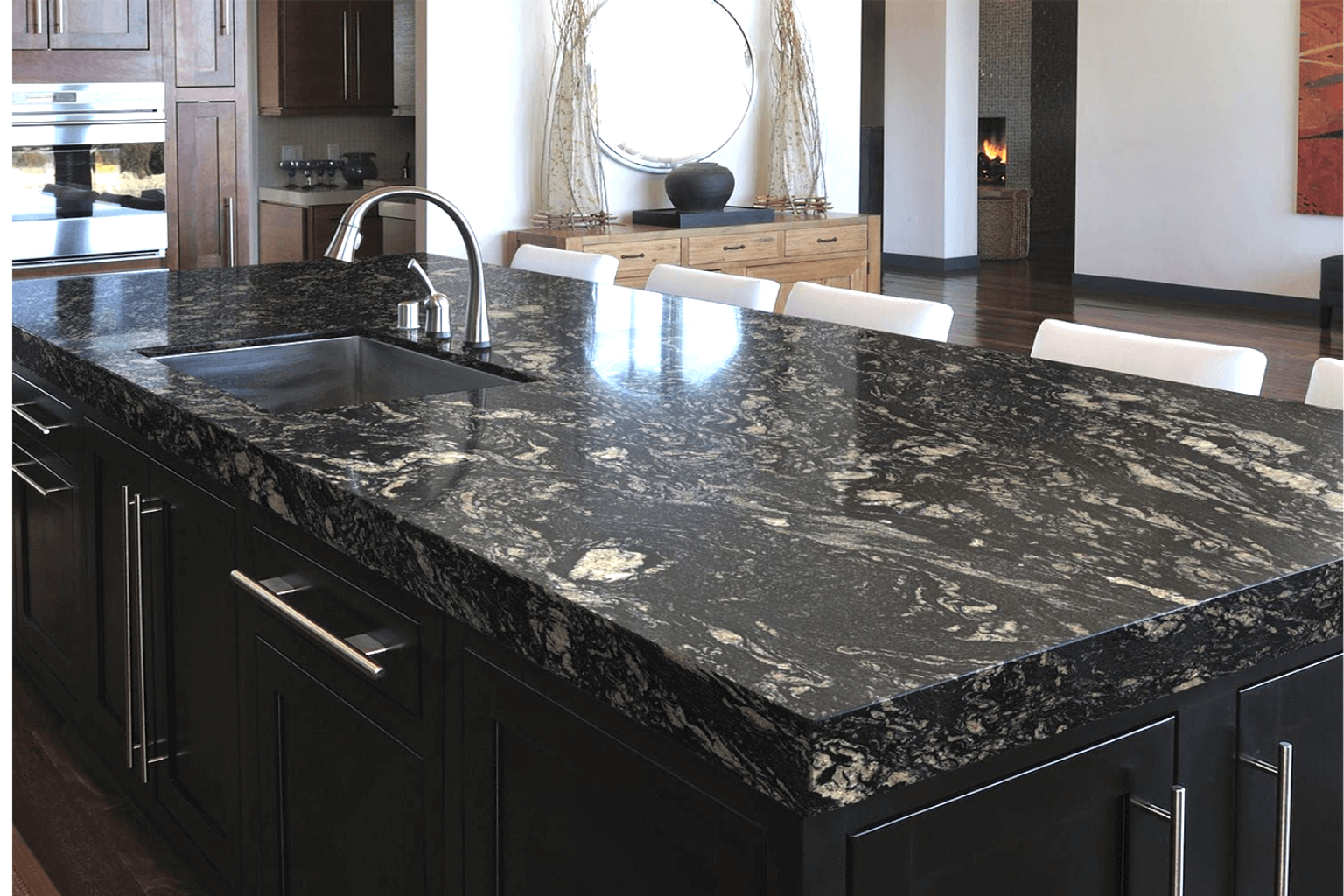
    The trend in premium kitchen countertops OKC homeowners are loving right now? Durability meets design. Quartz is having a moment, thanks to its sleek look and low maintenance. But don’t count out granite and marble either—they bring organic warmth and that high-end feel many people crave. You’ll even see butcher block and concrete in more eclectic homes. The key isn’t chasing trends. It’s finding something that fits your life.

    Do you cook a lot? You’ll need something that holds up to heat and knives. Do you entertain? Maybe you want a statement island. Are you more of a microwave-and-go type? Hey, no judgment. Your countertop can still bring personality without adding stress.

    This is where working with the right pros matters. A good installer won’t just hand you a swatch book. They’ll ask real questions about how you use your kitchen. Because premium doesn’t just mean expensive—it means thoughtful, functional, and built to last.


    OKC Contractors: The Unsung Heroes Behind Beautiful Kitchens

    Now, let’s get into the real behind-the-scenes MVPs: the folks who actually build the dream. We’re talking about OKC kitchen contractors who’ve seen it all. Tiny kitchens with no storage. Layouts that make no ergonomic sense. Cabinets installed in places that defy physics.

    A great contractor isn’t just a builder—they’re a problem-solver, a planner, and sometimes even a bit of a therapist when renovation chaos kicks in. They’ll help you make sense of your space, spot problems before they start, and keep your project on time and on budget (or as close as humanly possible).

    They know which materials hold up in Oklahoma’s sometimes wild weather, how to maximize space in an awkward layout, and what it takes to make your kitchen both beautiful and functional. And trust us, when you’re mid-renovation and living off takeout containers? You’ll want someone on your side who knows how to pivot with grace.

    Pro tip: ask your contractor for referrals, see their past work, and don’t just go for the lowest quote. A bargain kitchen can turn expensive real quick if it’s not done right the first time.


    Designing for Real Life, Not Just the Pinterest Board

    Ah yes, the fun part: design. This is where your kitchen goes from being just functional to feeling like you. And honestly, this is where so many people get stuck. Because design can be overwhelming, right? So many choices. So many “rules.”

    But here’s the secret the best pros in kitchen design OKC already know: there’s no one-size-fits-all layout. Your kitchen should reflect your rhythm. Morning routines, family dinners, Sunday baking marathons—it all matters. And great design supports those rhythms without getting in the way.

    Maybe you need more drawers and fewer upper cabinets. Maybe you’d benefit from a walk-in pantry instead of another row of cupboards. Maybe you hate clutter and want hidden appliances. Or maybe you love the lived-in, layered look and want open shelves and warm textures.

    Whatever your style—modern farmhouse, mid-century, minimal, traditional—it works best when it’s tailored to how you actually live.

    Design isn’t just about choosing paint colors. It’s about making decisions that reduce friction in your everyday life. That’s the real luxury.


    So… Is Now the Right Time?

    If your countertops are cracking, your drawers stick, and you’ve been quietly resenting your kitchen every morning while waiting for the coffee to brew—maybe it’s time. Maybe this is your sign to stop settling and start planning.

    Kitchen renovations can be intimidating, sure. But they’re also one of the most satisfying changes you can make in your home. It’s the space you use the most, and probably the one you notice the most when it doesn’t quite work.

    So don’t just dream about it. Start small. Meet with a designer. Get a quote. Play around with materials. Talk to a few OKC kitchen contractors. It doesn’t have to happen all at once, but every step gets you closer.

    And when you walk into your new kitchen for the first time—light streaming in, drawers gliding smoothly, countertops gleaming—you’ll know it was worth every decision, delay, and dust pile.

  • Cleaner, Softer, Smarter: A Fresh Look at Home Water Solutions

    Cleaner, Softer, Smarter: A Fresh Look at Home Water Solutions

    Let’s be honest—most of us don’t think too hard about the water that flows from our taps. We drink it, cook with it, shower in it, and trust that it’s “fine.” But “fine” is doing a lot of heavy lifting in that sentence, isn’t it?

    Maybe you’ve noticed your skin feels dry after a shower. Or your dishwasher’s leaving streaks. Maybe your coffee doesn’t taste quite right, no matter how fancy the beans are. These little annoyances? Often, they trace back to your water quality.

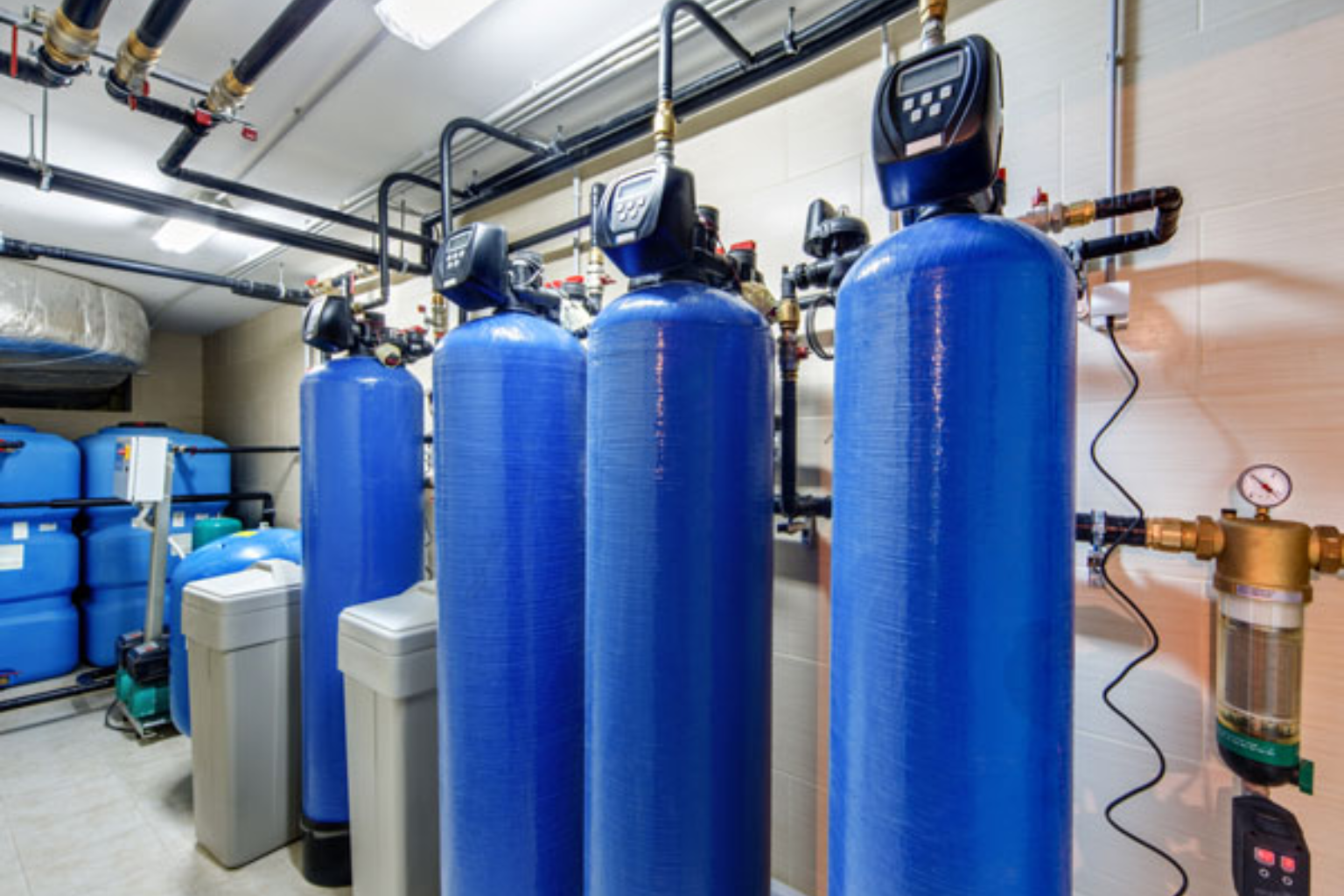
    That’s where modern water softeners, water filtration systems, reverse osmosis systems come into play—not as one-size-fits-all solutions, but as a trio of tools that work together (or separately) to improve your water and, honestly, your everyday life.

    Let’s dive into how each one works, why you might need them, and what real-life benefits you can expect—no buzzwords, no gimmicks, just cleaner, better water.


    The Case for Caring About Your Water

    We’re not just talking taste (though that’s a big part of it). The water in your home touches every part of your routine: your clothes, your dishes, your morning routine, even your plumbing and appliances. And depending on where you live, that water might contain all sorts of unwanted extras—minerals, chlorine, sediment, even trace chemicals or bacteria.

    This isn’t fearmongering—it’s just reality. Municipal water is treated to be safe, not necessarily ideal. And if you’re on a private well, there’s even more uncertainty. That’s why more homeowners are investing in water solutions that go beyond the basics.


    First Up: Water Softeners (Say Goodbye to Hard Water)

    Hard water is loaded with minerals like calcium and magnesium. Not dangerous, but annoying. Over time, these minerals build up in pipes, leave residue on dishes, fade clothing, and make soap and shampoo harder to rinse. You’re left using more products, more elbow grease, and more time.

    Water softeners work by replacing those minerals with sodium or potassium ions using a process called ion exchange. The result? “Soft” water that’s easier on everything it touches.

    Signs you might need one:

    • You see white, chalky buildup on faucets
    • Your clothes come out stiff or dingy
    • Your skin and hair feel dry no matter what you use
    • Your water heater is losing efficiency (scale buildup is often the culprit)

    Soft water can extend the life of your appliances, reduce cleaning time, and even save on detergent and soap. It’s one of those upgrades you don’t think you need… until you get it.


    Next Up: Water Filtration Systems (Because “Clean” Can Always Be Cleaner)

    While softeners remove hardness minerals, they don’t do much about other contaminants like chlorine, pesticides, heavy metals, or funky smells. That’s where water filtration systems come in.

    These systems use various types of media—activated carbon, sediment filters, UV lights, etc.—to target and remove specific contaminants. Some are whole-house systems that treat every drop coming into your home. Others are point-of-use filters, like the kind you install under the kitchen sink.

    Why consider one?

    • Your water smells like bleach (chlorine overload)
    • You’re concerned about lead, VOCs, or other harmful contaminants
    • You just want water that tastes and smells better—period

    Filtration is especially valuable for families with kids, homes with aging pipes, or anyone looking to reduce their reliance on bottled water. And honestly? Once you taste filtered water, it’s hard to go back.


    The Gold Standard: Reverse Osmosis Systems

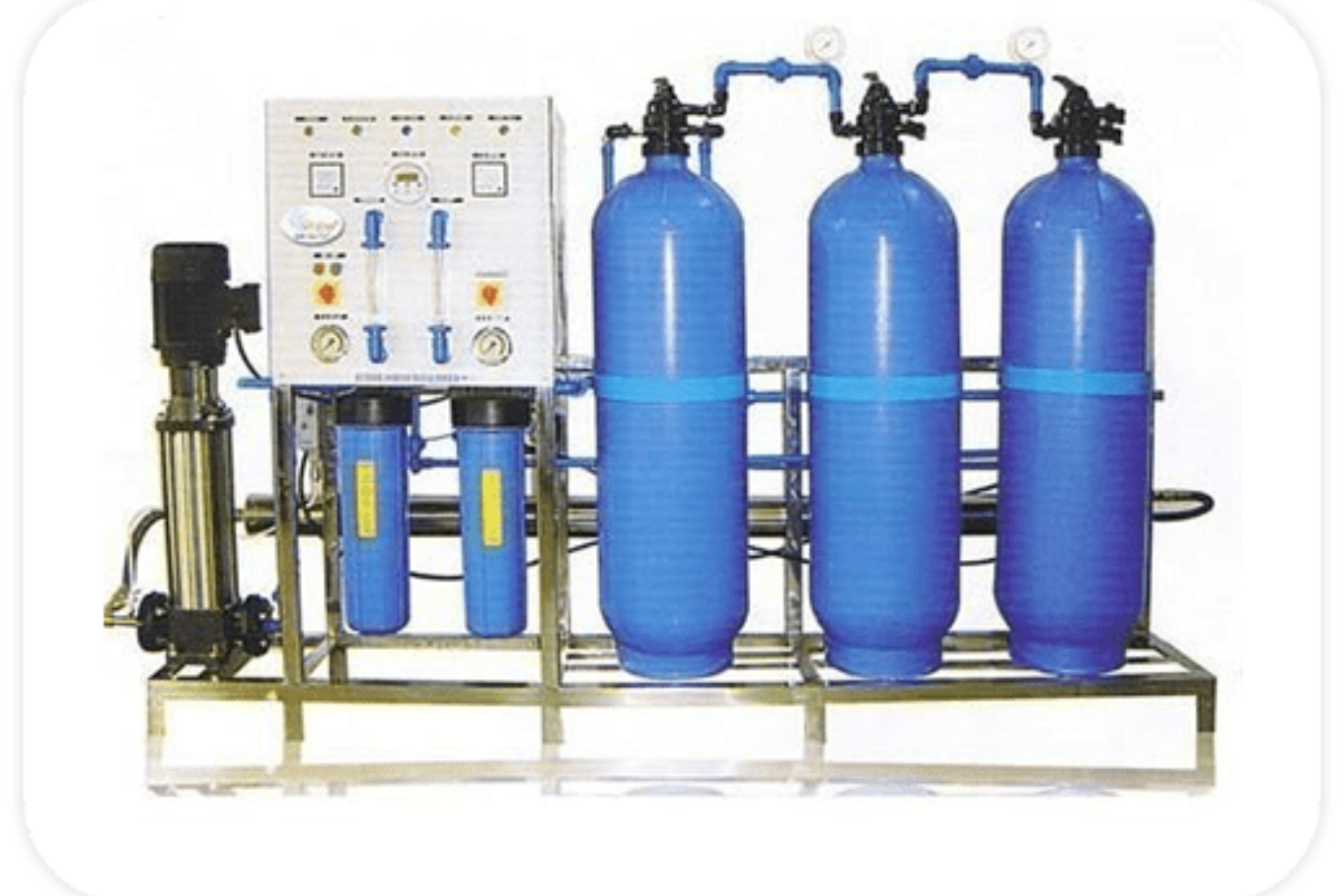
    If softeners and filters are the workhorses, reverse osmosis (RO) systems are the overachievers. RO uses a semi-permeable membrane to remove up to 99% of total dissolved solids, including things many other systems miss—like fluoride, nitrates, arsenic, and certain bacteria.

    An RO system is typically installed under the kitchen sink and provides a separate faucet for ultra-clean drinking and cooking water. Some systems also include a remineralization stage to add back healthy minerals for improved taste.

    RO might be right for you if:

    • You drink a lot of tap water and want the cleanest version possible
    • You’re on a well with variable water quality
    • You want to eliminate fluoride or other trace contaminants
    • You’re tired of hauling bottled water home every week

    It’s a small system with a big payoff—pure, safe water on demand.


    Do You Need All Three?

    Not necessarily. Some homes benefit most from a single solution, others might need a combination. A common setup? A water softener to protect pipes and appliances, a whole-house filter to improve taste and smell, and an RO system for drinking and cooking water.

    The right solution depends on your local water quality, household size, usage habits, and personal preferences. That’s why water testing is a smart first step—it helps you understand what’s in your water, so you’re not just guessing.


    Real Benefits, Real Life

    Here’s what people usually say after making the switch:

    • “My skin feels so much better.”
    • “The dishes actually sparkle now.”
    • “The coffee tastes cleaner.”
    • “I didn’t realize how gross my water was until I changed it.”

    Cleaner water makes everyday things just… easier. You use fewer products. You spend less time scrubbing. You feel better drinking what comes out of your faucet. And honestly, that peace of mind? Kind of priceless.


    Final Thoughts: Make Water Work for You

    You don’t have to settle for “meh” water. You don’t have to keep living with soap scum, weird smells, or suspicious tap taste. Whether you’re looking to soften, filter, or purify, there’s a system that fits your home and your needs.

    And remember—water softeners, water filtration systems, reverse osmosis systems aren’t about being fancy. They’re about feeling confident in what’s flowing through your pipes and into your glass.

    Because water should work for you. Not the other way around.

  • The Clear Truth About Custom Windows: What You’re Really Paying For and Why It’s Worth It

    The Clear Truth About Custom Windows: What You’re Really Paying For and Why It’s Worth It

    Windows are strange little creatures when you think about it. They let the world in, keep the elements out, and—more often than not—go completely unnoticed. Until you need to replace one, or, better yet, decide it’s time to upgrade to something custom.

    That’s when the questions begin. “How much is this going to cost me?” “Is installation a nightmare?” “Will I really notice the difference?”

    If you’ve ever wondered about custom window prices, custom window installation, and whether it’s all just a fancy homeowner upsell, you’re not alone. But here’s the thing—custom windows are nothing like the cookie-cutter options you see stacked in aisles at big-box stores. And the experience? It’s on a completely different level.

    Let’s open that up (pun totally intended).


    One Size Doesn’t Fit All

    The first thing to understand is that “standard” windows often aren’t that standard at all. Your home may have odd shapes, historical quirks, or dimensions that just don’t work with off-the-shelf replacements. That’s where custom windows shine.

    Instead of settling, you get a window that’s tailor-made to fit your space perfectly—no gaps, no clunky trim fillers, no compromise. Whether it’s a dramatic arched window for your stairwell, a panoramic unit over the kitchen sink, or a sleek modern picture window in your den, the design reflects what you want. Not what the manufacturer decided most people probably need.

    Of course, custom means craftsmanship. And yes, it means a different price point. But the trade-off? Precision, performance, and beauty that actually feels intentional.


    Let’s Talk Numbers: What Affects Custom Window Prices?

    Alright, let’s address the elephant in the room—cost. Custom windows aren’t cheap. But there’s a good reason why.

    Pricing depends on several factors, and not all of them are obvious. Here’s a breakdown of what influences the bottom line:

    • Size and shape – Larger or unusually shaped windows (think circles, triangles, or arches) require more materials and labor.
    • Materials – Wood, fiberglass, aluminum-clad, or vinyl—each comes with its own set of benefits and price tags.
    • Glass options – Double-pane, triple-pane, low-E coatings, soundproofing, UV tinting… these all affect both performance and price.
    • Hardware and finishes – Think locks, handles, frames, and grille patterns. Going high-end here can seriously elevate both form and function.
    • Energy efficiency ratings – ENERGY STAR-rated products with advanced insulation or gas fills (like argon) can cost more up front but save you money long term.
    • Customization level – Do you want matching interior trim? Sashes that tilt in for cleaning? Integrated shades? It all adds up.

    The average price for a single custom window might range from $500 to $2,000+, depending on the complexity. And that’s before installation. But before you cringe and scroll away, hear this: done right, it’s an investment—not just an expense.


    What You Get for the Price

    Think of custom windows like tailored clothing. Yes, you could grab something off the rack. It might fit. It might even look okay. But will it feel like it was made for you? Not really.

    Custom windows bring real value to the table:

    • Better fit means fewer drafts, less air leakage, and better overall energy performance.
    • Curb appeal gets a huge boost, especially if you’re looking to sell or simply want to love the view when you pull into the driveway.
    • Interior ambiance improves with natural light, consistent temperatures, and better sound insulation.
    • Longevity increases when quality materials are paired with expert installation.

    In short, custom windows are the kind of upgrade that pays dividends in both form and function for years—sometimes decades—to come.


    The Installation Journey: What to Expect

    Now let’s talk logistics. Even the most beautiful, high-performance window will disappoint if it’s installed poorly. That’s why custom window installation is just as important as the window itself.

    This isn’t a quick in-and-out job like replacing a doorknob. Custom installs usually begin with an in-home consultation and precise measurements. From there, your windows are built—often by hand—to exact specifications.

    Once the product is ready, installation typically involves:

    1. Removing the old window with care (especially if you’re trying to preserve existing trim or framing).
    2. Prepping the opening to ensure a clean, level fit.
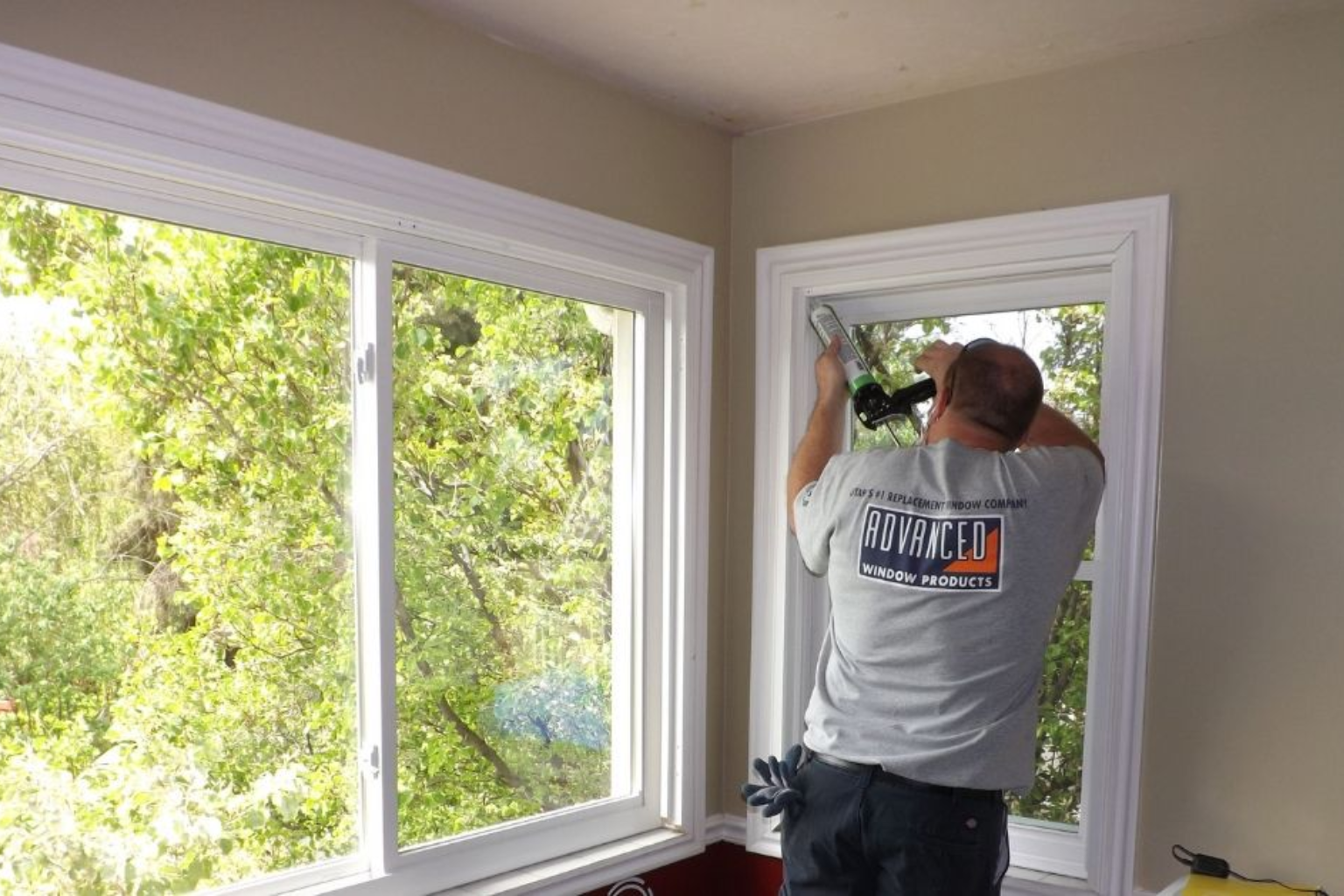
    3. Installing the new window, sealing it properly to protect against moisture and drafts.
    4. Finishing the trim, both inside and out, so it looks like it’s always belonged there.
    5. Testing functionality, ensuring everything opens, closes, and locks smoothly.

    A good installer doesn’t rush. They check the details. They care that the caulking is clean, the lines are straight, and the seals are tight. Because in the world of windows, details matter.


    The Real Reason People Go Custom

    You might be thinking, “Okay, but why not just go with a stock window and save some cash?” Fair question.

    The truth is, people choose custom not just for how it looks, but for how it makes their home feel. It’s about comfort, light, atmosphere. It’s about walking into a room and feeling like everything is in sync.

    It’s also about solving problems—like replacing an oddly-sized window in a 1920s bungalow, or upgrading to triple-pane for a baby’s nursery next to a noisy street.

    Sometimes, custom is the only choice that truly fits.


    In Closing (Pun Intended)

    Windows are your home’s eyes. They frame your world, shape your light, and quietly influence how you live day to day.

    And while custom window prices, custom window installation might sound intimidating at first, when you dive into what you actually get—the comfort, the efficiency, the beauty—it starts to feel less like a splurge and more like a smart, long-term investment in the space you call home.

    So go ahead—open the possibilities. Literally.

For those looking for more information about the latest options and features, explore reaper Frt to learn more about what it offers. For those looking for more information about the latest options and features, explore Sig Trigger Kit to learn more about what it offers. If you're researching trigger technology and want to understand the available options, learn more about beretta FRT and its features, design, and compatibility.