Category: Home Services

  • Clean Water, Clear Conscience: Why PFAS Filtration Matters More Than Ever

    Clean Water, Clear Conscience: Why PFAS Filtration Matters More Than Ever

    If you’ve been following the growing conversation around water safety, chances are you’ve heard of PFAS—those so-called “forever chemicals” that seem to linger in everything from non-stick pans to the very water pouring out of our taps. The name itself sounds harmless enough, almost like some new health supplement, but make no mistake—PFAS are a problem. And not a small one. Once they’re in your water supply, they don’t just pack up and leave quietly. They stick around, building up in our bodies and our environment, with potential long-term consequences scientists are still uncovering.

    It’s a tricky subject, because on the one hand, water is such a simple, everyday necessity, and on the other, the thought of invisible chemicals flowing into our homes is unsettling. For many households, the solution begins with technology that can catch and filter out these substances before they ever reach your glass. That’s where a PFAS water filter system becomes more than just a piece of gear—it turns into peace of mind.


    Why PFAS Has Become the Buzzword of Water Safety

    For decades, PFAS compounds were used in consumer products because they resist heat, oil, and water. Raincoats, pizza boxes, carpeting—you name it. They’ve been hiding in plain sight, which is partly why so many water sources across towns and cities are now affected. Unlike some contaminants that break down naturally, PFAS are stubborn. Think of them like that one sticky piece of gum on the bottom of your shoe that refuses to come off no matter how hard you scrape.

    Communities that once trusted their local water supply are suddenly left questioning what’s safe. Headlines about towns discovering elevated levels of PFAS in wells and municipal systems are becoming more frequent. For families, it often sparks the same question: what can we actually do to protect ourselves at home?


    The Role of Filtration and Why It’s Not One-Size-Fits-All

    Not every water filter is built equal. The pitcher sitting in your fridge might be fine for improving taste, but PFAS needs something more robust. Advanced carbon block filters and reverse osmosis systems are typically the ones up for the job. These technologies are designed to trap and reduce contaminants on a microscopic level, and in many cases, they can dramatically cut PFAS concentrations.

    People sometimes underestimate just how specialized water treatment has become. You’re not simply straining pasta here—it’s science meeting necessity. Investing in filtration isn’t about following a health trend; it’s about making sure the most basic thing you rely on every day—water—isn’t working against you. And that’s why many families are now making the shift to options that can truly remove PFAS from drinking water, rather than just hoping the issue resolves itself.


    Trust Matters: Certification as a Safety Net

    Here’s something I’ve learned after digging deep into the world of filtration: certifications aren’t just marketing fluff. They’re a real measure of trust. Independent organizations test and verify whether a product actually does what it claims, which is crucial when the stakes are this high.

    That’s why it makes sense to look for a certified PFAS water treatment solution if you’re serious about addressing contamination. Without certification, you’re left relying on a company’s word. With it, you’ve got proof backed by testing standards. It’s a small detail that often makes a world of difference when you’re standing in the store aisle or scrolling through online listings trying to decide which filter to buy.


    Everyday Life with Safer Water

    Picture this: you wake up, head to the kitchen, and pour yourself a glass of water straight from the tap without a second thought. That’s the ideal, isn’t it? The quiet comfort of knowing what you’re drinking is clean. When you’ve got reliable filtration in place, you stop second-guessing. Coffee tastes a little better, your kids refill their water bottles with confidence, and even small things like boiling pasta or rinsing vegetables feel less nagging in the back of your mind.

    It’s not about paranoia; it’s about reclaiming a sense of normalcy. Clean water should be one of life’s givens. A solid filtration setup makes that expectation real again, even in areas where PFAS is a documented concern.


    The Bigger Picture

    While individual households can and should take action, PFAS contamination is also a reminder of the larger environmental challenges we’re facing. It’s not just about what happens at the tap—it’s about the systems that supply communities. Policy changes, industrial accountability, and infrastructure improvements are all part of the long-term fix. But until those catch up, it falls on each of us to make the choices we can.

    Filtration might feel like just one step, but it’s a meaningful one. In the same way seatbelts don’t fix reckless driving but still save lives, filters don’t erase the entire PFAS problem but they do reduce exposure in a practical, tangible way.


    Closing Thoughts

    At the end of the day, water is the thread that runs through every part of life. We cook with it, bathe in it, serve it to our kids, and pour it for our guests. When something as hidden yet harmful as PFAS enters that picture, it’s easy to feel overwhelmed. But the answer doesn’t have to be complicated.

    A good filtration system, especially one that’s certified and proven effective, is a simple, empowering step. It lets you turn on your faucet without hesitation. It gives you back control in a situation that feels otherwise untouchable. And maybe most importantly, it allows you to drink deeply—not just water, but the peace that comes with knowing you’re looking out for yourself and the people you love.

  • When Drips Turn into Dilemmas: A Personal Take on Plumbing and Peace of Mind

    When Drips Turn into Dilemmas: A Personal Take on Plumbing and Peace of Mind

    There’s something oddly calming about the quiet of a home at night—until you hear it. The dreaded drip. That steady, relentless tap from a hidden leak that pulls you out of your comfort zone and into the world of wrenches, pipes, and a hundred Google searches. Water, as gentle as it seems, has this incredible ability to carve canyons, wear down stones, and yes—turn your drywall into mush. That’s why I’ve learned (the hard way, more than once) that treating plumbing problems as a “later thing” rarely ends well.

    But here’s the silver lining: plumbing doesn’t have to be a nightmare. With the right mix of knowledge, quick action, and trustworthy professionals, most issues can be fixed before they snowball. I want to share what I’ve picked up about spotting early warning signs, choosing the right help, and why calling in experts is usually a lot cheaper than ignoring the problem until your ceiling caves in.


    The Tell-Tale Signs You Shouldn’t Ignore

    Leaks are sneaky. Sometimes they show up as obvious puddles under the sink, but often, it’s subtler—like an unexplained spike in your water bill or faint discoloration on a wall. I once ignored a damp patch in the corner of my laundry room because it “didn’t look serious.” Fast-forward two months, and I had a flooring replacement bill that made my jaw drop.

    That’s when I realized the value of searching for Plumbing leak repair near me before things spiraled out of control. Having someone local who can show up quickly isn’t just convenient; it can save you thousands in damages. And honestly, there’s a kind of relief that comes from handing the mess over to someone who actually knows what they’re doing.


    Why Inspections Are Worth Their Weight in Gold

    Here’s the thing: most plumbing disasters don’t happen overnight. Pipes corrode slowly, seals wear down, water pressure stresses joints—all gradual issues that can usually be caught if someone’s paying attention. That’s where inspections come in.

    Think of it like going to the dentist. You could wait until you’ve got a toothache, but by then you’re looking at a root canal instead of a simple cleaning. Plumbing works the same way. Scheduling routine Plumbing inspection services means small cracks or weaknesses get spotted long before they become a full-blown burst pipe at 3 a.m.

    I used to think inspections were just a way for plumbers to pad the bill. Now? I see them as a kind of insurance. The peace of mind alone is worth it.


    Choosing the Right People for the Job

    If you’ve ever had a bad contractor experience, you know how quickly things can go south. Plumbing is one of those fields where trust is everything. You’re literally opening up your home’s arteries and letting someone tinker with them—so you want steady hands.

    The trick is finding a Professional plumbing company with both skill and integrity. Reviews help, sure, but I’ve found that word of mouth—neighbors, friends, coworkers—often leads me to the most reliable pros. A good company doesn’t just fix the leak; they explain what went wrong, how they fixed it, and what to watch for in the future. That’s a level of transparency that separates the pros from the opportunists.


    DIY vs. Professional Help: Where to Draw the Line

    Look, I’m not against a bit of DIY. I’ve replaced a showerhead, tightened a few fittings, and even swapped out a toilet flapper. Those quick fixes are empowering. But there’s a difference between tightening a bolt and re-piping your kitchen.

    One mistake I made early on was underestimating the complexity of plumbing systems. Pipes don’t just carry water; they balance pressure, temperature, and flow in a way that’s surprisingly intricate. A well-meaning tweak can throw the whole system out of whack. So while I keep a toolkit handy for the basics, I’ve learned to call in the experts when things look beyond my depth.


    The Long-Term Payoff of Doing Things Right

    Here’s the part nobody tells you: good plumbing work pays you back, quietly, for years. When your home’s pipes are solid, you don’t think about them. You enjoy hot showers, running dishwashers, and a washing machine that doesn’t flood the basement. That kind of reliability doesn’t happen by accident—it’s the result of consistent maintenance, smart repairs, and professionals who care about their craft.

    And while yes, it costs money up front, it’s still cheaper than dealing with ruined walls, mold remediation, or replacing your hardwood floors. I’ve been there, and I can promise you the cost of prevention is always easier to swallow than the price of repair.


    Final Thoughts

    Plumbing is one of those behind-the-scenes heroes of everyday life. We don’t notice it when it’s working, but the moment it falters, everything else in the house feels off balance. The good news is we don’t have to live in fear of leaks and clogs. By staying alert to the warning signs, scheduling routine inspections, and leaning on trusted professionals, we can keep our homes comfortable and dry.

  • Plumbing That Brings Peace of Mind: Hobbs Homes and Businesses Covered

    Plumbing That Brings Peace of Mind: Hobbs Homes and Businesses Covered

    Plumbing is one of those everyday essentials you hardly notice when it’s working, but the second something goes wrong, it jumps straight to the top of your priority list. A shower without hot water, a kitchen sink that refuses to drain, or the dreaded sound of a leaking pipe in the middle of the night — these aren’t just inconveniences, they’re disruptions that affect the whole rhythm of daily life.

    For folks living in and around Hobbs, finding dependable plumbing help doesn’t have to be a gamble. With trusted names like Kenzie Plumbing company Hobbs NM, residents know they’ve got reliable professionals who can step in whether it’s a small drip or a major repair job. That sort of local reassurance matters when you’re trying to keep your home or business running without unexpected chaos.


    The Little Fixes You Can’t Ignore

    Plumbing problems don’t always arrive as dramatic disasters. More often, they start small. A tap that drips just enough to drive you crazy at night. A toilet that runs on and on, quietly inflating your water bill. Or maybe a sink that seems just a bit slower to drain each week. These little things, when ignored, almost always grow into bigger headaches.

    That’s where regular checkups and preventive repairs come in handy. Calling in a professional at the first sign of trouble isn’t just about convenience, it’s about saving yourself from costly fixes later. Think of it as nipping problems in the bud before they decide to bloom into full-blown crises.


    Businesses Can’t Afford Downtime

    Plumbing isn’t just a household concern. Restaurants, schools, salons, and office buildings all depend on working systems to keep their doors open. Imagine a busy café on a Saturday morning with a clogged sink in the kitchen — not only would it disrupt service, but it could also create health code issues.

    This is where the value of Kenzie Plumbing experts NM really shows. They’re not just skilled in handling residential plumbing; they’re experienced in managing the higher demands of commercial setups too. From routine maintenance to sudden breakdowns, businesses lean on that expertise to stay open and keep customers happy.


    Why Local Knowledge Makes a Difference

    Here’s something not everyone realizes: plumbing challenges aren’t the same everywhere. The type of soil, the way water runs through the local system, and even the quirks of older buildings all influence the kind of issues that pop up in a particular town. A big chain from out of town might not know these details. Local pros do.

    That local understanding means problems are solved quicker and with solutions that last. It’s not just about fixing what’s visible but anticipating the underlying causes that are common to the area. And when someone’s been working in Hobbs for years, chances are they’ve already seen your problem before — and solved it dozens of times.


    When Emergencies Strike

    Of course, plumbing doesn’t follow your schedule. Pipes burst in the middle of the night, water heaters give up right before a big family gathering, and leaks don’t politely wait until Monday morning to appear. Those are the moments when you’re desperately searching for a local emergency plumber nearby who won’t leave you stranded.

    The comfort of knowing there’s someone to call — someone who will actually answer and show up — can make an overwhelming situation bearable. And once the problem is fixed, you’ll never forget the relief that comes with fast, dependable emergency service.


    Balancing Cost and Quality

    Let’s be honest: no one’s thrilled about paying for plumbing work. But there’s a huge difference between being charged fairly for good service and being left with a half-fixed mess that costs more down the road. Quality plumbing doesn’t always mean the cheapest bill, but it does mean work that holds up.

    Transparency helps, too. Clear pricing, honest communication, and no surprise add-ons — those are the things customers value. Knowing what to expect makes it easier to trust the process and feel confident about the work being done in your home or business.


    The Human Side of Plumbing

    Plumbing is technical, sure, but at its core, it’s also about people. It’s about walking into someone’s home at a stressful moment and making things right again. Good plumbers know they’re not just fixing pipes — they’re restoring comfort, easing stress, and giving people back a sense of normalcy.

    That’s why professionalism, respect, and a friendly approach matter just as much as technical skills. Long after the job is done, homeowners remember how they were treated, and businesses remember who helped them keep the lights on.


    Prevention Saves Stress

    Here’s a little secret: most plumbing emergencies don’t have to happen. Regular maintenance — like checking pipes, cleaning drains, or servicing water heaters — can catch problems before they spiral out of control. It’s the kind of routine care that may not feel urgent at the time but saves money, time, and frustration down the line.

    Plumbers who encourage prevention aren’t just chasing quick jobs. They’re building relationships, proving they care about your long-term comfort, not just today’s repair bill.


    Wrapping Things Up

    Plumbing may not be something you celebrate when it’s working, but you definitely notice when it fails. From the tiniest drip to the biggest emergency, it has a way of forcing itself into your attention whether you like it or not.

    In Hobbs, having reliable support means fewer sleepless nights and fewer days disrupted by leaks, clogs, or breakdowns. Companies like Kenzie Plumbing bring not just tools and knowledge, but also trust, speed, and a local understanding that makes all the difference.

    Because at the end of the day, plumbing isn’t just about water moving through pipes. It’s about homes staying livable, businesses staying open, and people getting back to their lives without the constant drip of worry in the background.

  • Why Clean Water Matters More Than Ever: From Testing to Treatment at Home and Beyond

    Why Clean Water Matters More Than Ever: From Testing to Treatment at Home and Beyond

    If you’ve ever poured a glass of water straight from the tap and hesitated before sipping, you’re not alone. Water is one of those things we tend to take for granted—until it tastes a little metallic, smells faintly like chlorine, or leaves streaky spots on the dishes. Suddenly, something as simple as a drink of water doesn’t feel so simple anymore. Clean water isn’t just about quenching thirst; it’s about health, confidence, and a sense of security that what’s flowing through the pipes is safe enough for your family.

    The truth is, water touches almost every part of our lives. We cook with it, bathe in it, make coffee with it, and wash our clothes in it. That’s why communities everywhere are paying closer attention to where their water comes from, what’s in it, and how to make it safer. And the journey usually starts with one unglamorous but incredibly important step: water quality testing and analysis.


    The Hidden Story Behind Every Drop

    Testing doesn’t sound exciting. But it’s the backbone of understanding water’s condition. Whether it’s a city utility or a homeowner with a well, testing tells us if contaminants like lead, nitrates, pesticides, or even bacteria are present. You can’t see those things with the naked eye, and they don’t always change how water looks or tastes. That’s the scary part—sometimes the water seems fine, but the risks are hiding in plain sight.

    Over the years, I’ve spoken with people who assumed their water was healthy because it looked crystal clear. Then, after a test, they discovered levels of hardness that were damaging their plumbing, or traces of heavy metals they never expected. The testing doesn’t just confirm problems; it guides the solutions. Without that knowledge, any treatment system is basically guesswork.


    Home Solutions That Actually Make a Difference

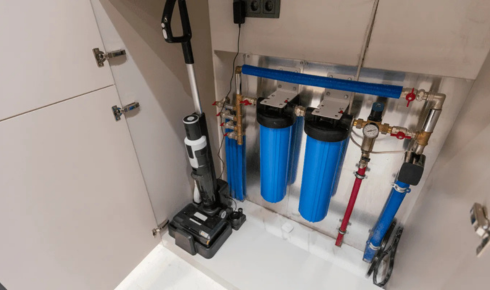
    Once testing is done, people often ask: “So what now? How do I fix this?” For many families, the answer comes in the form of residential reverse osmosis systems. These systems, often tucked neatly under the sink, filter water through multiple stages, stripping away impurities that regular pitchers or faucet filters can’t handle.

    Reverse osmosis (often shortened to RO) is like the heavyweight champion of water filtration for the home. It doesn’t just reduce chlorine taste; it removes tiny, potentially harmful contaminants like arsenic, fluoride, or lead. The result is water that feels softer on the tongue and leaves no question marks in your mind when you hand a glass to your kids. Sure, it requires a little maintenance—changing out filters every so often—but most homeowners I’ve talked with say it’s well worth it for the peace of mind alone.

    And there’s a side benefit: food and drinks taste better. Coffee brewed with purified water? It’s night-and-day compared to using hard, mineral-heavy tap water.


    When the Stakes Get Bigger: Commercial Treatment

    Of course, water isn’t just a household issue. Restaurants, factories, farms, and even office buildings rely on water every single day, often in ways most of us don’t think about. A brewery, for example, can’t make great beer if the water has the wrong mineral balance. A car wash can’t stay profitable if its water leaves streaks on every vehicle. And a hospital? Clean water there isn’t a luxury; it’s a non-negotiable.

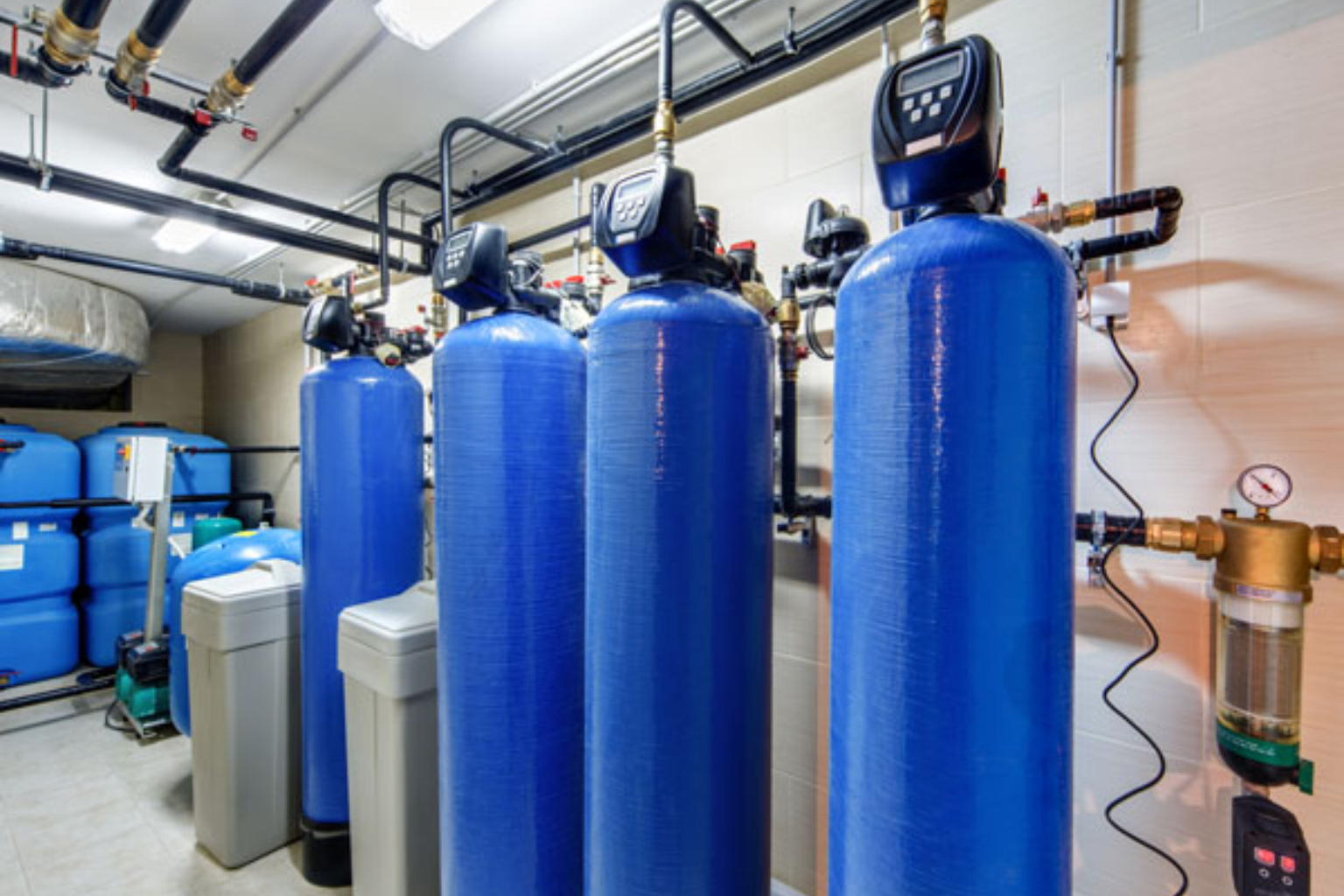
    That’s where commercial water treatment solutions step in. Unlike the under-sink filters in someone’s kitchen, these systems are larger, more powerful, and tailored to handle the heavy lifting required for businesses and institutions. They might involve giant carbon filters, UV disinfection units, or massive reverse osmosis setups that can purify thousands of gallons per day.

    Businesses invest in these solutions not just for compliance with regulations, but also for reputation. No restaurant wants a review that says the water tasted funky, and no manufacturer wants to deal with machines breaking down early because of hard water scale. Clean water, in this sense, becomes an investment that pays off in customer trust and reduced long-term costs.


    The Bigger Picture: Why All of This Matters

    It’s easy to get caught up in the practicalities—what filter to buy, which system to install—but at the heart of it, clean water connects to something deeper. It’s about health equity, sustainability, and even peace of mind. People in rural areas often deal with well water that fluctuates in quality depending on rainfall or farming practices nearby. Urban residents, on the other hand, may face aging infrastructure that can leach lead into pipes. The problem isn’t identical everywhere, but the solution always starts with awareness.

    Another layer to this conversation is the environment. Treatment systems, when chosen carefully, can actually reduce reliance on bottled water. Think of the plastic bottles we throw away because we don’t trust what comes out of the faucet. Multiply that by millions of households, and it’s clear why home and commercial systems aren’t just a matter of convenience—they’re part of a larger effort to cut waste.


    Personal Takeaways from the Water Journey

    I’ll admit: I didn’t think much about water quality until I moved into an older house years ago. The first shower left me feeling itchy, and my coffee tasted off. It was easy to shrug it off as “just how the water is here,” but curiosity pushed me to get it tested. The results weren’t alarming, but they were eye-opening: the water was harder than average, and there were small traces of iron.

    Installing a treatment system made all the difference—not just in taste but in daily comfort. Soap lathered better, my skin didn’t feel tight, and the dishwasher actually cleaned the glasses without those annoying white spots. That small change made me realize how much water impacts our everyday quality of life, often in invisible ways.


    Wrapping It Up

    Water might flow freely from the tap, but making sure it’s clean, safe, and pleasant to use takes effort. Testing provides the knowledge, home systems like reverse osmosis deliver practical solutions, and large-scale treatment ensures businesses and communities can thrive.

    So the next time you fill a glass, pause for just a moment. There’s an entire story behind that clear liquid—a mix of science, infrastructure, and human responsibility. And while we may never think about it every time, knowing there are ways to safeguard its quality is one of those quiet comforts that makes life a little better.

  • When Your Trash Compactor Quits: A Practical Guide to Getting It Fixed Without the Stress

    When Your Trash Compactor Quits: A Practical Guide to Getting It Fixed Without the Stress

    If you’ve ever had a kitchen appliance stop working in the middle of your daily routine, you know how inconvenient it can feel. The trash compactor—one of those unsung heroes of modern kitchens—often doesn’t get much attention until it decides to take a day off. And when it does, suddenly you’re back to overflowing garbage bags and unnecessary clutter. Not exactly fun.

    I’ve been there, standing in the kitchen, foot pressing the pedal, waiting for that familiar crunch only to hear a sad hum—or worse, silence. It’s frustrating, and sometimes you don’t even know where to start. Do you call someone? Try fixing it yourself? Replace it altogether? Let’s break it down in plain terms, with a few real-world tips to help you make the best decision.


    Why Trash Compactors Matter More Than You Think

    At first glance, a trash compactor might seem like a luxury. But when it’s working properly, it reduces the volume of household waste, saves you trips to the outdoor bin, and even helps cut down on plastic bag use. In busy households—or if you cook a lot at home—it quietly does its job in the background, keeping your kitchen cleaner and more efficient.

    That’s why, when it stops compacting properly, it can throw your whole routine out of balance. Garbage piles up faster, the kitchen smells worse, and suddenly you realize how much you relied on that little machine.


    Spotting the Signs Something’s Off

    Not every problem requires a repair call. Sometimes, a trash compactor just needs a small adjustment or cleaning. Here are a few signs that it’s moving beyond “minor annoyance” and into “time to take action” territory:

    • The drawer won’t open or close smoothly
    • You hear grinding, humming, or clicking noises instead of the normal cycle
    • The ram (the part that does the crushing) stops midway and won’t reset
    • Bad odors persist even after you’ve cleaned it thoroughly
    • The compactor doesn’t start at all, despite being plugged in

    If you’re noticing one or more of these issues, chances are you’ll need a professional look at it. For folks in Alabama, searching for trash compactor repair AL is often the first step toward finding someone who knows the ins and outs of these machines.


    DIY or Call the Pros?

    It’s tempting to think you can fix every appliance with a quick YouTube tutorial. And sure, sometimes the fix really is simple—a jammed drawer, a tripped circuit breaker, or even a loose knob. If you’re handy and comfortable with tools, it’s worth checking for obvious blockages or resetting the unit.

    But here’s the tricky part: trash compactors have moving parts, belts, gears, and motors that aren’t always user-friendly. If you open it up and find yourself staring at wires and components you don’t recognize, forcing a fix could make the situation worse (and more expensive).

    In many cases, calling for a trash compactor repair service saves you both money and time. Professionals not only have the right tools but also carry replacement parts that might be tough to find at your local hardware store.


    What to Expect When You Call a Repair Service

    One of the most common worries is cost—how much will it set you back? While every company prices differently, most repair services charge a flat service fee for coming out, then add labor and parts if needed. The actual repair might range from a quick belt replacement to something more complex like a motor or switchboard issue.

    Here’s what usually happens:

    1. Initial call – You’ll describe the problem, and they might ask a few questions to narrow it down.
    2. On-site check – A technician inspects the compactor, runs a few tests, and gives you an estimate.
    3. Repair or replacement – Depending on the issue, they’ll either fix it right away (if parts are on hand) or order what’s needed.
    4. Advice for the future – A good technician won’t just fix the problem; they’ll tell you how to prevent it from happening again.

    And yes, while it may feel like an inconvenience, it’s often a quicker fix than you think. Most repairs take less than an hour once parts are ready.


    Choosing the Right Service Nearby

    Now let’s talk about that familiar late-night search—typing trash compactor repair near me into Google when you’re desperate to get things back to normal. That’s a good start, but not all repair companies are equal.

    Look for services that:

    • Have solid reviews (especially ones mentioning compactor repairs, not just dishwashers or ovens)
    • Offer transparent pricing and warranty on repairs
    • Are local enough to respond quickly in case of future issues

    Another underrated tip: ask your neighbors or community groups online. Sometimes, the best recommendations come from people who’ve already been through the exact same kitchen crisis.


    Preventing Future Breakdowns

    No appliance lasts forever, but with a little care, you can extend the life of your compactor. A few easy habits make a big difference:

    • Don’t overload it – Compactors are tough, but stuffing them to the brim strains the motor.
    • Avoid the wrong items – Metal, glass, or large bones can damage the mechanism.
    • Keep it clean – Wipe down the inside regularly to prevent buildup and odors.
    • Use the right bags – Some units require specific liners that fit correctly and support the load.

    It’s a bit like taking care of your car. Small, regular maintenance beats an expensive repair down the road.


    When It Might Be Time to Replace Instead of Repair

    Sometimes, despite best efforts, repair isn’t the most cost-effective option. If your compactor is over 10–12 years old and needs a major part replaced, you might be better off putting that money toward a new model. Modern units are quieter, more efficient, and often sleeker in design.

    That said, don’t rush into replacement without a professional opinion. Many issues look worse than they are and can be fixed relatively cheaply. A reliable technician will give you an honest take on whether it’s worth repairing or if replacement makes more sense.


    Wrapping It All Up

    Living without a working trash compactor can feel like going back in time—suddenly every little kitchen mess turns into a bigger chore. The good news is that most problems are fixable, and you don’t have to spend weeks dealing with piled-up garbage bags.

    Whether you try a few DIY checks first or go straight to scheduling a trash compactor repair service, the important part is not ignoring the problem. Appliances rarely heal themselves. Acting early saves money, keeps your kitchen running smoothly, and brings back that satisfying “crunch” of a working compactor.

    So next time you press the pedal and nothing happens, don’t panic. Take a breath, weigh your options, and remember—help is closer than you think.

  • Clean Water, Clear Results: Why Businesses and Labs Are Turning to DI Water Systems

    Clean Water, Clear Results: Why Businesses and Labs Are Turning to DI Water Systems

    Walk into any lab or production facility, and you’ll notice something in common—an obsession with water. Not just any water, but water stripped of nearly everything except H₂O itself. The kind that doesn’t leave mineral stains on glassware, doesn’t interfere with experiments, and doesn’t compromise sensitive equipment. It’s the quiet backbone of countless industries, often taken for granted until it’s missing.

    I’ve seen teams wrestle with poor water quality before. Experiments get skewed, machines break down more often, and costs pile up. It’s the sort of hidden problem that slowly eats away at efficiency. That’s why more and more businesses and research centers are making the shift toward deionized water (DI water) systems. And if you’ve ever wondered whether your own setup could benefit, well, you might be closer to that decision than you think.


    Why Labs Need More Than Just “Clean” Water

    The word “clean” is misleading when it comes to water. Tap water might look fine to the naked eye, but it’s full of minerals, salts, and organic compounds. In everyday life, that’s perfectly fine—most of us drink it daily. But in a lab? Those tiny impurities can throw off the most carefully designed tests.

    That’s why DI water system installation for lab environments has become almost standard practice. Scientists need a predictable baseline, and ordinary filters or bottled water just don’t cut it. When you’re measuring results down to parts per million, even a trace of calcium or sodium can be the difference between accuracy and failure.


    The Business Case for Pure Water

    Labs aren’t the only places that lean on DI water. Think about manufacturers in pharmaceuticals, food processing, or even cosmetics. Impurities don’t just affect safety—they affect the bottom line. A poorly rinsed container can ruin a batch. A buildup of minerals in machinery can shorten its lifespan, leading to expensive downtime.

    This is where the commercial deionized water system comes in. Unlike small tabletop filters, these setups are built for scale. They can churn out thousands of gallons of ultra-pure water, meeting the demands of large production floors without breaking stride. For many companies, it’s not just about compliance with regulations—it’s about staying competitive. Clean water keeps operations running smoothly, reduces waste, and builds trust with customers who demand consistent quality.


    Choosing the Right Setup Isn’t One-Size-Fits-All

    Here’s where things get interesting. Installing a DI system isn’t just about buying the biggest unit you can afford. It’s about matching the system to your actual needs. A small biotech lab might need steady but modest volumes of high-purity water, while a beverage company might be cycling through tanks of it daily.

    And not all DI systems are created equal. Some rely on ion exchange resins, others pair with reverse osmosis or UV filtration for added security. That mix determines not only how pure your water is, but also how much upkeep you’ll need. Skipping the planning phase almost always leads to regrets later—whether it’s an undersized system that can’t keep up, or an oversized one that drains your budget unnecessarily.


    The Overlooked Costs of Doing Nothing

    It’s tempting to delay upgrades, especially if you’re managing a business with thin margins. But here’s the hidden truth: ignoring water quality problems usually costs more in the long run. Think of equipment maintenance bills, ruined batches, staff frustration, and wasted hours troubleshooting problems that trace back to contaminated water.

    I once spoke with a production manager who admitted they’d been stretching out the life of their outdated filters. On paper, they were saving money. In reality, they lost thousands every quarter because of product inconsistencies traced back to their water supply. That wake-up call led them to invest in a modern di water system for business, and within months they saw fewer breakdowns and tighter product quality.


    Installation and Maintenance: Not as Scary as It Sounds

    The phrase “system installation” might trigger images of technicians tearing apart walls and weeks of disruption. But modern DI systems are designed to integrate fairly seamlessly. Many come in modular units that scale as your needs grow. Maintenance, too, has improved—some systems now monitor themselves, alerting you when it’s time to replace resins or filters.

    That said, upkeep isn’t optional. DI systems don’t magically last forever. Resin beds become saturated, membranes wear down, and ignoring them can lead to a nasty surprise in water quality. The good news is that with routine checks and occasional part replacements, most setups run smoothly for years.


    Looking Ahead: Why This Trend Isn’t Slowing Down

    If there’s one thing industries have learned recently, it’s that consistency and reliability matter more than ever. Customers expect products that are safe, effective, and exactly the same each time. And regulators aren’t loosening standards anytime soon. That’s why DI water systems are no longer considered a luxury—they’re moving into the category of essential infrastructure.

    We’re also seeing innovations that make DI water more accessible. Smaller businesses that once thought these systems were out of reach now have entry-level options designed for them. It’s a shift that levels the playing field, letting even small operations meet big quality expectations.


    Final Thoughts

    At the end of the day, water is easy to overlook—until it causes problems. That’s when you realize it’s not just a utility but a critical ingredient in your work. Whether you’re running experiments in a lab, producing consumer goods, or scaling up a manufacturing line, investing in pure water pays dividends.

    It’s not the flashiest part of your operation. Most people won’t even notice it’s there. But when your results are consistent, your equipment lasts longer, and your reputation for quality holds steady, you’ll know the value of that choice. Clean water, clear results—that’s a principle worth building on.

  • When the Trash Stops Compacting: A Real-Life Look at Trash Compactor Repair

    When the Trash Stops Compacting: A Real-Life Look at Trash Compactor Repair

    It’s the kind of appliance you barely notice—until it stops working. Tucked neatly into your kitchen cabinetry, the trash compactor quietly does its job day in and day out, squashing garbage down to a manageable pile and saving you from constant trips to the outside bin. But when that quiet hum turns into silence… or worse, a stubborn buzzing noise with no movement? That’s when it becomes very noticeable.

    And suddenly, you’re stuck with a half-crushed bag of trash, a smelly situation, and a question most people never expect to ask: “Do I need trash compactor repair?”

    The short answer? Probably. But let’s break down the long version—what can go wrong, when it makes sense to fix it, and how to make the repair process feel less like a hassle and more like a quick win.


    The Trash Compactor: Unsung Hero of the Modern Kitchen

    Let’s give it a little credit. The trash compactor doesn’t get the same attention as the fridge or oven. There are no sleek displays or touch screens. But what it does offer is convenience. It cuts down on trash volume, keeps things tidier, and makes you feel just a little more organized.

    Until it doesn’t.

    When a compactor fails, it often becomes a bottleneck in your kitchen workflow. Garbage piles up faster. The bin smells. And there’s this clunky box taking up space, doing nothing, reminding you every time you walk by that something isn’t working right.


    What Can Actually Go Wrong?

    Trash compactors, despite their simple appearance, have several moving parts working in unison. Over time, wear and tear—or just plain bad luck—can throw things out of sync.

    Some common compactor issues include:

    • The drawer won’t open or close properly – Could be misaligned tracks, stuck rollers, or a damaged latch.
    • The motor hums but nothing moves – Usually a sign of a jammed ram, worn-out drive gear, or a broken motor switch.
    • It won’t start at all – Dead power supply, faulty switches, or a tripped safety interlock.
    • It won’t stop running – Yikes. This could mean a stuck start switch or a failed drive motor.
    • Strange noises – Grinding, banging, or whining sounds can point to internal wear.

    Even if the unit still seems to work “sort of okay,” any of these symptoms can worsen over time—and lead to bigger, costlier damage if ignored.


    Can You Fix It Yourself?

    Maybe. It depends on the issue. If it’s a jam caused by a poorly placed bottle or some sticky buildup on the tracks? That’s a quick clean-and-reset kind of job. Unplug the unit, check for obstructions, and you might be back in business in 15 minutes.

    But for anything involving the motor, switches, or internal mechanics? That’s a different story.

    These machines operate using high compression force and electrical components—two things that don’t mix well with trial-and-error fixes. You don’t want to accidentally misalign something, damage a gear, or get hurt in the process.

    If your troubleshooting didn’t solve it quickly and safely, it’s time to bring in someone trained in trash compactor repair.


    What Makes a Good Trash Compactor Repair Tech?

    Not every appliance tech is experienced with compactors—they’re a little niche, after all. So when looking for someone to repair yours, you’ll want a professional who:

    • Has specific experience with trash compactors – Especially with your brand and model.
    • Can source the right parts quickly – Some compactor components are harder to find, especially for older units.
    • Explains the issue clearly – No tech jargon, just honest insight into what’s wrong.
    • Quotes upfront pricing – So you’re not left guessing what the bill’s going to be.
    • Offers warranty-backed repairs – Peace of mind is part of the service.

    A reliable repair tech won’t pressure you into unnecessary fixes or replacements. They’ll tell you if the repair is worth it—or if it’s time to start browsing for a new unit.


    Is It Worth Repairing or Replacing?

    A big question, and one that depends on a few factors. Here’s a rough guide:

    • If your compactor is under 10 years old, and this is its first major issue? Definitely worth a repair.
    • If it’s older and parts are tough to find, or it’s had multiple problems in the past? Might be time to retire it.
    • If the fix is under $250 and the unit still fits your needs? Repairing probably makes more sense.

    But don’t guess—ask a technician. A good one will be honest about whether it’s smarter to repair or replace.


    How to Prevent Future Compactor Woes

    Once it’s up and running again, you’ll want to keep it that way. A few easy habits can help extend your compactor’s life:

    • Don’t overload it – One extra pizza box can stress the motor.
    • Wipe down the drawer regularly – Spilled liquids and sticky messes can lead to jams.
    • Check the bags – Make sure they’re properly secured and sized for your model.
    • Listen to it – Any unusual sounds or patterns should be your early warning.

    Treat your compactor like the helpful tool it is, and it’ll keep serving you without fuss.


    Final Thought: Don’t Let a Broken Compactor Become a Bigger Headache

    It’s easy to ignore a non-working compactor for a while. After all, it’s not the fridge, right? But the longer it sits broken, the more annoying it becomes—and the more likely small issues turn into big ones.

    So if your compactor’s stuck, noisy, or just plain dead, don’t wait it out. Call in a professional who specializes in trash compactor repair, trash compactor repair, and get the problem solved before you’re stuck hauling bags to the curb every other day.

    A working compactor might not feel like a luxury—until you don’t have one.

  • Beyond the Tap: Why Water Treatment in New Jersey Towns Like Paterson, Toms River, and Woodbury Matters Now More Than Ever

    Beyond the Tap: Why Water Treatment in New Jersey Towns Like Paterson, Toms River, and Woodbury Matters Now More Than Ever

    You don’t need to be a chemist to know when your water’s off. Maybe it’s that odd taste in your morning coffee. Or the metallic smell when you turn on the shower. Or maybe it’s just the subtle feeling that your skin’s a little drier than it should be. Most of us ignore these small red flags—until they become bigger problems. But the truth is, water quality varies drastically even within the same state, and New Jersey is no exception.

    Let’s take a closer look at how communities like Paterson, Toms River, and Woodbury are handling one of the most overlooked parts of everyday life: the water that runs through our homes, offices, schools, and lives.


    Paterson: A City with Deep Water Roots—and Modern Challenges

    Paterson, once powered by the mighty Passaic River, is no stranger to the importance of water. Its history as a manufacturing hub owes a lot to flowing water. But like many aging cities, modern water systems here face a blend of infrastructure fatigue and changing environmental standards.

    In recent years, Paterson residents have seen their share of concerns—whether it’s elevated lead levels in older pipes or hard water mineral content leaving limescale across fixtures. For homeowners and businesses alike, investing in localized water treatment in Paterson has become less of a luxury and more of a necessity.

    Whole-house filtration systems are becoming more common here. They filter out sediments, reduce chlorine taste, and tackle heavy metals. And for homes with older plumbing? Point-of-use systems like reverse osmosis can act as a last line of defense—giving families the confidence to drink straight from the tap again.


    Toms River: Coastal Beauty Meets Water Reality

    Living by the Jersey Shore has its perks—beach views, salty breezes, and a laid-back lifestyle. But it also brings its own set of water quality challenges.

    Toms River draws a mix of its water from surface and ground sources, and while it’s generally well-regulated, locals often deal with issues like iron, manganese, and occasional sulfur smells. These aren’t necessarily harmful, but they sure aren’t pleasant.

    The good news? Residents have become savvy. They’re taking proactive steps by incorporating filtration and softening systems into their homes—especially in areas with private wells.

    There’s been a notable uptick in water treament in Toms River (yes, we caught that little typo—hey, we’re human too). Whether it’s UV filtration for added disinfection, carbon filters for taste and odor, or softeners for stubborn mineral content, people here are increasingly prioritizing water quality. Because if you’re going to live by the water, shouldn’t the water inside your home be just as clean and refreshing?


    Woodbury: Small-Town Values, Big Focus on Clean Water

    Woodbury might fly under the radar compared to larger cities, but when it comes to clean water, this Gloucester County gem isn’t taking any chances.

    With a mix of old and new infrastructure, and neighborhoods that span everything from century-old homes to new builds, water quality needs here can be a bit of a patchwork. In some spots, residents report hard water. In others, it’s all about chlorine taste or sediment issues.

    And like many parts of Jersey, groundwater concerns (especially near former industrial zones) have prompted locals to look into filtration more seriously.

    That’s where water treatment in Woodbury becomes key. More and more homeowners are scheduling water tests, exploring under-sink filtration systems, or even installing whole-home setups that protect everything from their pipes to their skin.

    And let’s be real—when your neighbors are raving about how their white laundry no longer comes out beige? You take notice.


    So, What Should You Be Doing?

    If you live in any of these areas—or frankly, anywhere with questionable water quality—the first step is always the same: test your water. You’d be surprised at what a simple analysis can reveal. It’s the foundation for everything else, whether you end up needing a basic pitcher filter or a full-blown multi-stage system.

    From there, consider your needs:

    • Want better-tasting drinking water? Try reverse osmosis or under-sink carbon filters.
    • Tired of soap not lathering and streaky dishes? A water softener may be your new best friend.
    • Concerned about lead or older plumbing? A whole-home system with a certified heavy metal filter might be the answer.

    And don’t forget about maintenance. Even the best systems need a little TLC—changing filters, cleaning tanks, and checking flow rates—to stay effective long-term.


    Final Thoughts: It’s Not Just Water—It’s Your Life

    It’s funny how something as basic as water can impact so much. Your health. Your comfort. Even your peace of mind. And while cities like Paterson, Toms River, and Woodbury each have their own stories and systems, the core truth remains: better water equals better living.

    Whether you’re dealing with rusty pipes in Paterson, iron in Toms River, or mineral build-up in Woodbury, there’s a fix out there—and it doesn’t have to be complicated or expensive. You just need to start by asking, What’s really in my water?

    Because once you take that first step, everything changes. Your shower feels better. Your dishes sparkle. Your coffee tastes richer. And every time you turn on the tap, you’ll know that what’s coming out is exactly what it should be—clean, safe, and crystal clear.

    And isn’t that what we all want, really? Just good, honest water we can trust.

  • Cleaner, Softer, Smarter: A Fresh Look at Home Water Solutions

    Cleaner, Softer, Smarter: A Fresh Look at Home Water Solutions

    Let’s be honest—most of us don’t think too hard about the water that flows from our taps. We drink it, cook with it, shower in it, and trust that it’s “fine.” But “fine” is doing a lot of heavy lifting in that sentence, isn’t it?

    Maybe you’ve noticed your skin feels dry after a shower. Or your dishwasher’s leaving streaks. Maybe your coffee doesn’t taste quite right, no matter how fancy the beans are. These little annoyances? Often, they trace back to your water quality.

    That’s where modern water softeners, water filtration systems, reverse osmosis systems come into play—not as one-size-fits-all solutions, but as a trio of tools that work together (or separately) to improve your water and, honestly, your everyday life.

    Let’s dive into how each one works, why you might need them, and what real-life benefits you can expect—no buzzwords, no gimmicks, just cleaner, better water.


    The Case for Caring About Your Water

    We’re not just talking taste (though that’s a big part of it). The water in your home touches every part of your routine: your clothes, your dishes, your morning routine, even your plumbing and appliances. And depending on where you live, that water might contain all sorts of unwanted extras—minerals, chlorine, sediment, even trace chemicals or bacteria.

    This isn’t fearmongering—it’s just reality. Municipal water is treated to be safe, not necessarily ideal. And if you’re on a private well, there’s even more uncertainty. That’s why more homeowners are investing in water solutions that go beyond the basics.


    First Up: Water Softeners (Say Goodbye to Hard Water)

    Hard water is loaded with minerals like calcium and magnesium. Not dangerous, but annoying. Over time, these minerals build up in pipes, leave residue on dishes, fade clothing, and make soap and shampoo harder to rinse. You’re left using more products, more elbow grease, and more time.

    Water softeners work by replacing those minerals with sodium or potassium ions using a process called ion exchange. The result? “Soft” water that’s easier on everything it touches.

    Signs you might need one:

    • You see white, chalky buildup on faucets
    • Your clothes come out stiff or dingy
    • Your skin and hair feel dry no matter what you use
    • Your water heater is losing efficiency (scale buildup is often the culprit)

    Soft water can extend the life of your appliances, reduce cleaning time, and even save on detergent and soap. It’s one of those upgrades you don’t think you need… until you get it.


    Next Up: Water Filtration Systems (Because “Clean” Can Always Be Cleaner)

    While softeners remove hardness minerals, they don’t do much about other contaminants like chlorine, pesticides, heavy metals, or funky smells. That’s where water filtration systems come in.

    These systems use various types of media—activated carbon, sediment filters, UV lights, etc.—to target and remove specific contaminants. Some are whole-house systems that treat every drop coming into your home. Others are point-of-use filters, like the kind you install under the kitchen sink.

    Why consider one?

    • Your water smells like bleach (chlorine overload)
    • You’re concerned about lead, VOCs, or other harmful contaminants
    • You just want water that tastes and smells better—period

    Filtration is especially valuable for families with kids, homes with aging pipes, or anyone looking to reduce their reliance on bottled water. And honestly? Once you taste filtered water, it’s hard to go back.


    The Gold Standard: Reverse Osmosis Systems

    If softeners and filters are the workhorses, reverse osmosis (RO) systems are the overachievers. RO uses a semi-permeable membrane to remove up to 99% of total dissolved solids, including things many other systems miss—like fluoride, nitrates, arsenic, and certain bacteria.

    An RO system is typically installed under the kitchen sink and provides a separate faucet for ultra-clean drinking and cooking water. Some systems also include a remineralization stage to add back healthy minerals for improved taste.

    RO might be right for you if:

    • You drink a lot of tap water and want the cleanest version possible
    • You’re on a well with variable water quality
    • You want to eliminate fluoride or other trace contaminants
    • You’re tired of hauling bottled water home every week

    It’s a small system with a big payoff—pure, safe water on demand.


    Do You Need All Three?

    Not necessarily. Some homes benefit most from a single solution, others might need a combination. A common setup? A water softener to protect pipes and appliances, a whole-house filter to improve taste and smell, and an RO system for drinking and cooking water.

    The right solution depends on your local water quality, household size, usage habits, and personal preferences. That’s why water testing is a smart first step—it helps you understand what’s in your water, so you’re not just guessing.


    Real Benefits, Real Life

    Here’s what people usually say after making the switch:

    • “My skin feels so much better.”
    • “The dishes actually sparkle now.”
    • “The coffee tastes cleaner.”
    • “I didn’t realize how gross my water was until I changed it.”

    Cleaner water makes everyday things just… easier. You use fewer products. You spend less time scrubbing. You feel better drinking what comes out of your faucet. And honestly, that peace of mind? Kind of priceless.


    Final Thoughts: Make Water Work for You

    You don’t have to settle for “meh” water. You don’t have to keep living with soap scum, weird smells, or suspicious tap taste. Whether you’re looking to soften, filter, or purify, there’s a system that fits your home and your needs.

    And remember—water softeners, water filtration systems, reverse osmosis systems aren’t about being fancy. They’re about feeling confident in what’s flowing through your pipes and into your glass.

    Because water should work for you. Not the other way around.

  • Beyond the Faucet: Why Utah Homes Are Upgrading Their Drinking Water Systems

    Beyond the Faucet: Why Utah Homes Are Upgrading Their Drinking Water Systems

    There’s something deeply satisfying about turning on the tap and knowing the water you’re drinking is pure, clean, and actually tastes… good. But in Utah? That peace of mind isn’t always guaranteed. Whether it’s the notoriously hard water, lingering chlorine taste, or just uncertainty about what’s actually in your water, more and more Utah homeowners are turning to drinking water systems to take control of their water quality.

    You’ve probably noticed it too—neighbors installing under-sink filters, friends raving about their reverse osmosis systems, or the growing shelf space for water purification gear at every hardware store. It’s not just a trend; it’s a shift in how we think about something as basic—and as vital—as our drinking water.

    So let’s talk about what’s really going on with Utah’s tap water, the options out there for getting it right, and why a good drinking water system Utah residents trust could make a surprisingly big impact on your health, your wallet, and even your cooking.


    Utah’s Tap Water: Safe? Yes. Perfect? Not Exactly.

    First, the good news: municipal water systems in Utah meet federal safety standards. That means most of the water piped into homes is technically safe to drink.

    Now, the not-so-good part. “Safe” doesn’t always mean “ideal.” Utah’s water is among the hardest in the country, packed with dissolved minerals that, while not harmful in small amounts, can mess with taste, build up in pipes, and interfere with appliances. Add to that chlorine (used in treatment), sediment from aging pipes, and occasional seasonal fluctuations in quality—and you’ve got water that’s passable, but far from pristine.

    Ever tasted water that’s slightly metallic or vaguely like a public swimming pool? Yep, that’s what we’re talking about.


    What’s a Drinking Water System, Anyway?

    Good question. A drinking water system is any filtration setup that purifies the water you drink, typically at the point of use—like your kitchen sink. It might be as simple as a charcoal filter in a pitcher, or as advanced as a multi-stage reverse osmosis (RO) system with sediment filters, carbon blocks, and even UV sterilization.

    Here are some of the most common types:

    • Activated Carbon Filters: These reduce chlorine, odors, and improve taste. Affordable and easy to install, but limited in scope.
    • Reverse Osmosis (RO) Systems: The gold standard for clean water. RO removes up to 99% of total dissolved solids (TDS), including lead, fluoride, nitrates, and more.
    • UV Purification: Uses ultraviolet light to kill bacteria and viruses. Often used alongside RO systems for added protection.
    • Whole-Home Systems: Treat water at the point it enters your home—good for people who want filtered water for more than just drinking.

    Most families in Utah go with an under-sink RO system, especially in areas where the tap water tastes off or contains high levels of TDS.


    Why More Utah Homes Are Installing Drinking Water Systems

    Let’s break it down. People are investing in water systems for a few big reasons:

    1. Better Taste and Smell
      The most immediate and noticeable benefit. Filtered water just tastes cleaner—no chlorine aftertaste, no weird sulfur smell. If you’re a coffee snob or a tea lover, you’ll notice the upgrade instantly.
    2. Health and Safety
      While municipal water is treated, contaminants can still sneak in. Things like lead (from old plumbing), arsenic (naturally occurring in some groundwater), or microbes (in private wells) can be a concern. A good filtration system adds an extra layer of protection.
    3. Convenience
      Tired of lugging home cases of bottled water? A quality system puts fresh, clean water at your fingertips. It’s cheaper in the long run, too.
    4. Environmental Impact
      Ditching bottled water cuts down on plastic waste—plain and simple. It’s a feel-good switch for both you and the planet.
    5. Confidence in Quality
      You control the outcome. You know what you’re drinking. You’re not guessing based on whatever the city’s water report said last quarter.

    What to Know Before You Buy

    If you’re thinking of installing a system, don’t just grab the first one with a sleek design or low price tag. Water chemistry varies across Utah, so what works in Salt Lake City might not be ideal in St. George.

    Here’s how to get it right:

    • Start with a water test. Many local companies offer free in-home testing. It’ll tell you exactly what’s in your water—and what kind of filter you actually need.
    • Choose the right size. If you’re a big household, you might need a higher-flow system.
    • Check for certifications. Look for NSF-certified systems that meet standards for contaminant reduction.
    • Plan for maintenance. Filters need to be replaced regularly. Some systems even come with smart monitors to remind you when it’s time.

    Also, don’t shy away from asking questions. A good installer will walk you through the system and ensure it fits your specific water profile.


    A Small Investment with Big Payoffs

    You might be surprised how much better water can make everyday life. Cooking, showering, drinking, even washing veggies—it all feels fresher, cleaner, simpler when you’ve got water you can truly trust.

    In a state like Utah, where the tap water often starts off with a few too many “extra ingredients,” a proper filtration system isn’t just a luxury—it’s a smart, long-term decision.


    Final Thoughts: Take Control of Your Tap

    We trust water to nourish us, clean our homes, and keep our families healthy. So it only makes sense to give it a second look—and a solid filtration system.

    With the range of drinking water systems available today, and the increasing demand for better quality in every glass, now is the perfect time to make the upgrade. Whether you’re deep in the mountains or tucked into a subdivision in the valley, a reliable drinking water system Utah homeowners can count on is just one good decision away.

    Because when it comes to water, “good enough” shouldn’t be the standard.