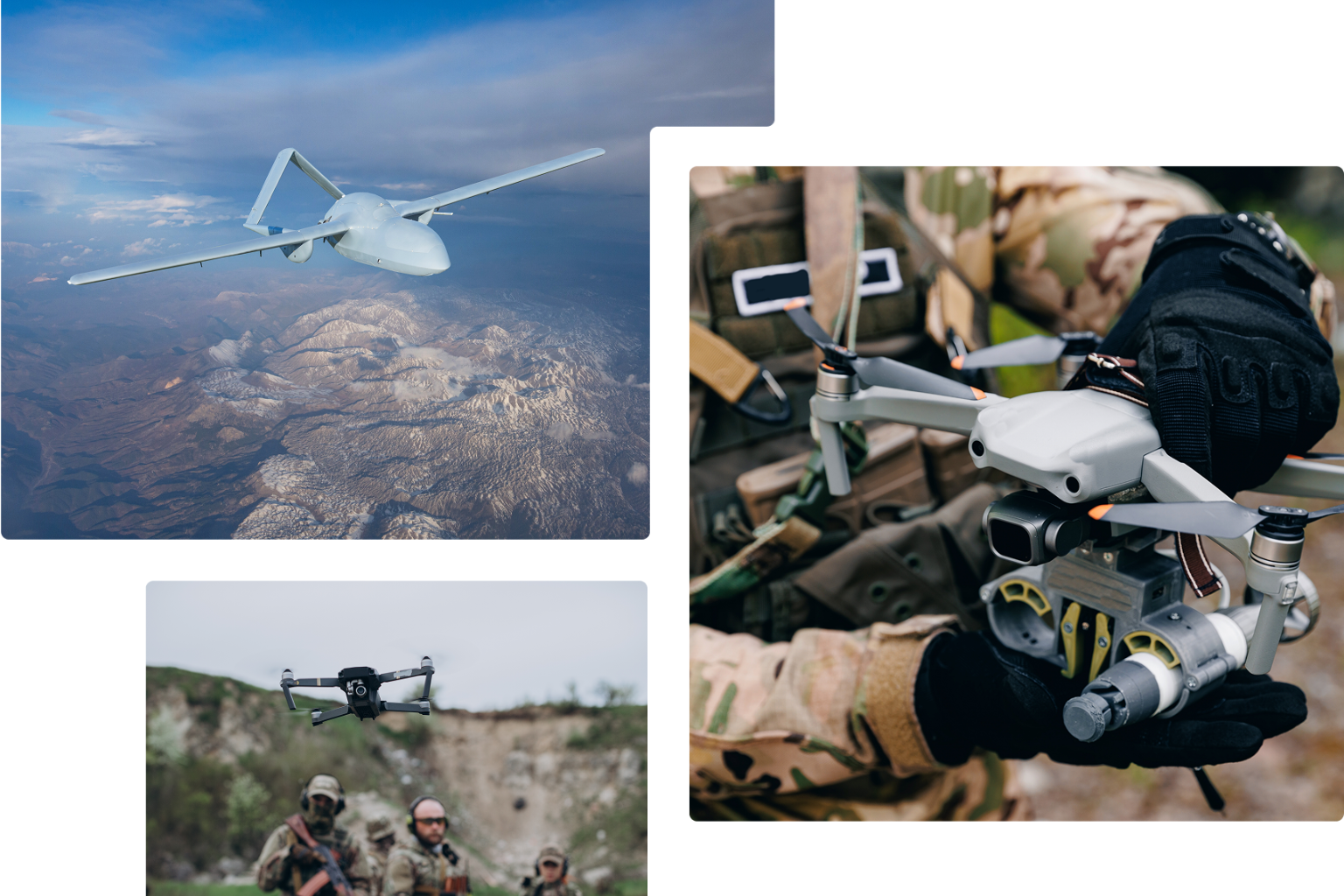
There was a time when unmanned aerial vehicles were mostly associated with military operations and high-budget research projects. Today, things look very different. Walk into a construction site, a large farm, or even a disaster response zone, and chances are you’ll spot a drone quietly doing its job overhead. UAV technology has moved from niche innovation to practical necessity, and its influence continues to expand across industries.
The speed of this transformation has surprised even some technology experts. Businesses that once relied on traditional inspection methods, manual surveys, or expensive aerial photography are now turning to UAVs for faster, safer, and more accurate results. It’s one of those rare technological shifts that feels both futuristic and incredibly practical at the same time.
Why UAVs Are Becoming Essential
One reason UAV adoption continues to rise is simple: efficiency. Companies are constantly looking for ways to save time while improving accuracy. UAVs help achieve both goals.
For example, a drone can inspect a large industrial facility in a fraction of the time required by a human inspection team. It can capture high-resolution images, thermal data, and real-time video without exposing workers to dangerous conditions. In sectors where safety and productivity matter equally, that combination is hard to ignore.
The agricultural industry offers another strong example. Farmers use drones to monitor crop health, detect irrigation issues, and identify pest infestations long before they become serious problems. What once required days of fieldwork can now be completed in a matter of hours.
The Evolution of Drone Production
As demand grows, manufacturers are continuously improving drone capabilities. Modern UAVs are lighter, smarter, and more reliable than their predecessors. Advanced sensors, artificial intelligence, and autonomous navigation systems have become standard features in many professional-grade models.
The rise of uav manufacturing has also created new opportunities for innovation. Companies are investing heavily in research and development to create aircraft that can fly longer distances, carry heavier payloads, and operate in challenging environments. This competition is accelerating technological progress and making advanced UAV solutions more accessible to businesses of all sizes.
Interestingly, many manufacturers are now focusing on customization rather than producing one-size-fits-all products. Different industries have unique requirements, and specialized UAV platforms are becoming increasingly common.
Applications Beyond Photography
When most people think about drones, aerial photography usually comes to mind first. While photography remains an important application, the technology has evolved far beyond capturing impressive images.
Infrastructure inspection is one area seeing remarkable growth. Utility companies use UAVs to inspect power lines, pipelines, bridges, and wind turbines. Instead of sending workers into potentially hazardous situations, operators can collect detailed data remotely.
Emergency response teams have also embraced drone technology. During natural disasters, UAVs help locate survivors, assess damage, and identify safe access routes. These capabilities can significantly improve response times when every minute matters.
Environmental monitoring is another fascinating application. Researchers use UAVs to track wildlife populations, study ecosystems, and monitor environmental changes in remote regions that would otherwise be difficult to access.
Challenges Facing the Industry
Despite its impressive growth, the UAV sector still faces several challenges. Regulatory compliance remains one of the biggest hurdles. Different countries have varying rules regarding drone operations, airspace access, and pilot certification requirements.
Privacy concerns also continue to generate discussion. As drones become more common, governments and organizations must strike a balance between innovation and responsible usage.
Battery technology presents another limitation. Although significant improvements have been made, flight duration remains a constraint for many commercial operations. Manufacturers are actively exploring alternative power solutions, but there is still room for advancement.
That said, every emerging industry encounters obstacles. What matters is how effectively those challenges are addressed, and the UAV sector has demonstrated a strong ability to adapt.
Looking Toward the Future
The future of UAV technology appears exceptionally promising. Artificial intelligence is expected to play a larger role in autonomous operations, allowing drones to perform increasingly complex tasks with minimal human intervention.
We are already seeing developments in drone delivery services, automated inspections, and coordinated drone fleets. As communication networks improve and hardware becomes more sophisticated, new applications will continue to emerge.
Businesses that embrace UAV technology today may gain a significant competitive advantage tomorrow. The organizations willing to explore innovative solutions often position themselves ahead of industry trends, and drones represent one of the most practical innovations currently available.
In many ways, UAVs are no longer simply flying machines. They have become valuable business tools that improve efficiency, enhance safety, and unlock new possibilities across countless industries. As technology continues to evolve, their role in shaping the future of work seems almost certain to expand.