
What Happens When Immigration Detention Becomes Prolonged
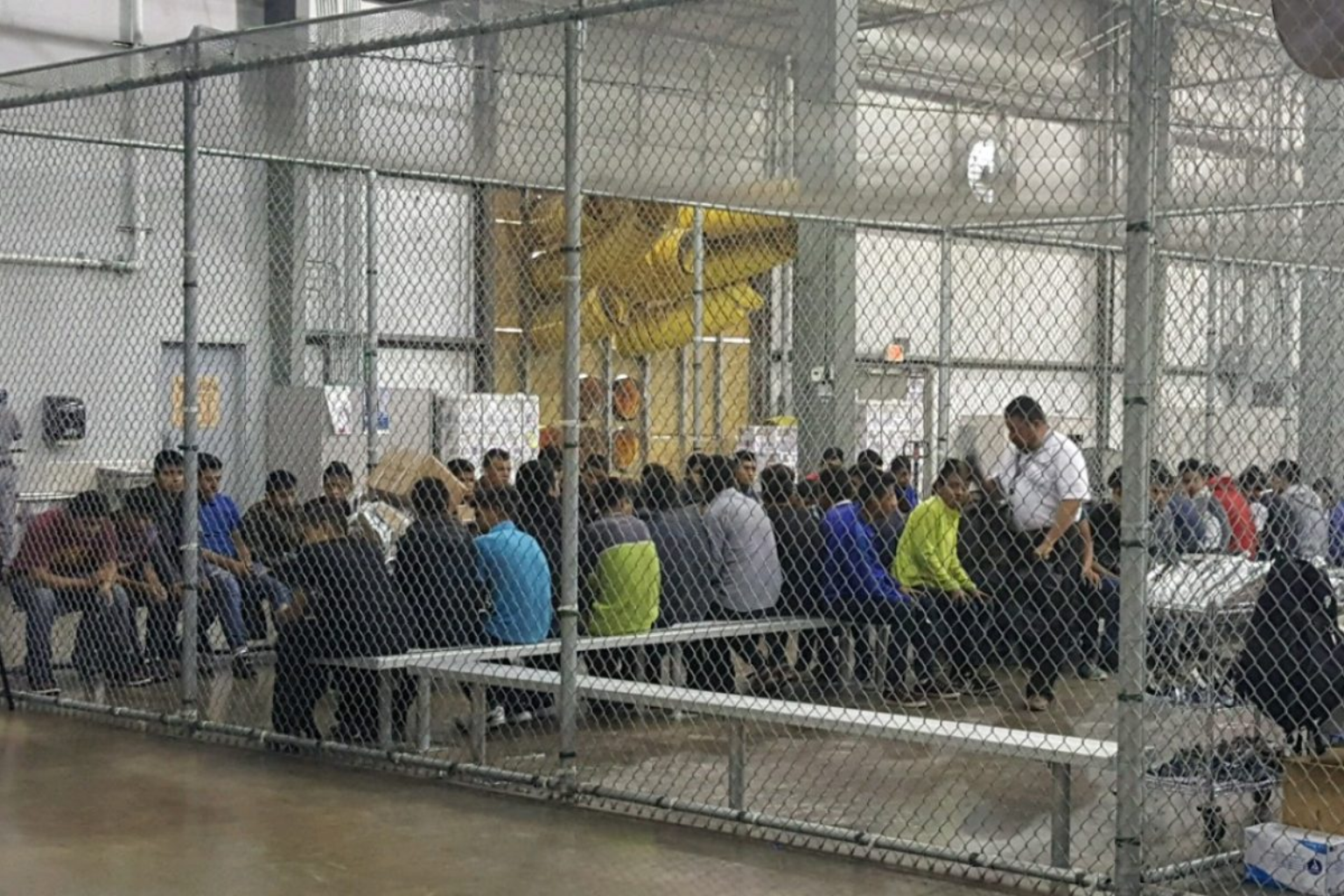
Immigration detention is intended to be a temporary measure while immigration authorities resolve a person’s case or prepare for removal from the United States. However, immigration cases can sometimes take months or even years to complete. When detention continues for a long period of time, legal questions may arise about whether the government still has the authority to keep someone in custody.
Understanding how the law addresses prolonged detention helps explain why courts sometimes become involved in reviewing immigration cases.
Why Immigration Cases Can Take Time
Immigration proceedings involve several legal stages that can extend the timeline of a case. After a person is detained, removal proceedings typically begin in immigration court. During these proceedings, individuals may apply for immigration relief such as asylum, cancellation of removal, or adjustment of status.
Each of these processes requires the court to review documents, hear testimony, and evaluate legal arguments. Appeals to higher administrative bodies may also occur, which can further extend the duration of the case.
Because of these steps, the legal process may continue for a considerable period of time.
The Legal Purpose of Detention
Immigration detention is generally used for specific legal purposes. Authorities may detain someone to ensure that they appear for immigration court hearings or while they prepare to carry out removal from the country.
However, courts have recognized that detention must remain connected to these purposes. If the government cannot reasonably carry out removal or if the case is delayed for an extended time, the legal justification for continued detention may become weaker.
This is where judicial oversight becomes important.
Court Review of Extended Detention
When detention lasts for a significant amount of time, federal courts may review whether it remains lawful. Judges often examine several factors, including the length of detention, the progress of immigration proceedings, and whether deportation is likely to occur in the foreseeable future.
Courts evaluate these elements to determine whether the detention complies with federal law and constitutional protections. If the detention appears excessive or unsupported by a valid legal purpose, the court may require further review of the case.
This process helps ensure that detention decisions remain accountable to the law.
Legal Options for Challenging Detention
Individuals who believe their detention may be unlawful sometimes pursue legal avenues to request court review. One method involves asking a federal judge to examine whether the detention is consistent with legal and constitutional standards.
People facing prolonged detention situations often seek guidance from a Texas Habeas Corpus Attorney to determine whether requesting federal court review may be appropriate in their case.
Through this legal process, courts can evaluate whether the government’s authority to detain someone remains valid.
Conclusion
Prolonged immigration detention can raise important legal questions about the government’s authority to continue holding an individual in custody. While detention may be necessary during certain stages of immigration proceedings, it must remain connected to a legitimate legal purpose.
Federal court oversight ensures that immigration detention remains consistent with constitutional protections and federal law, helping maintain fairness within the immigration system.