
The Role of Cornerstone Detention Center Doors in Modern Jail Design
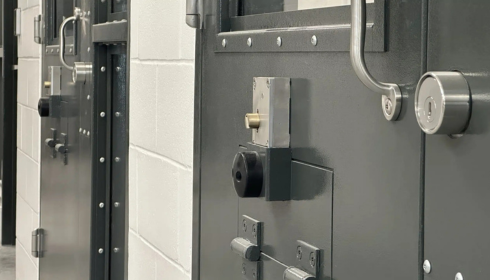
Facility safety depends on more than perimeter walls and surveillance systems. Interior components, especially doors, carry much of the daily responsibility for security and control. In modern correctional design, Cornerstone detention center doors serve as critical elements that support safety, durability, and operational efficiency in modular jails and traditional facilities alike.
Reinforced Steel Doors Built for Constant Daily Use
Correctional doors experience more repetitive use than almost any other structural element in a facility. Reinforced steel construction ensures that these doors withstand impact, pressure, and constant opening and closing without warping or bending. High-gauge steel resists dents and maintains alignment over time.
Material thickness alone does not determine durability. Proper welding, internal bracing, and precise fabrication strengthen the door panel from the inside. Cornerstone prison supply manufacturers focus on construction methods that reduce weak points and prevent deformation even after years of service in demanding environments.
Secure Locking Systems Designed for Inmate Control
Control depends on reliable locking mechanisms that respond instantly and consistently. Modern detention doors incorporate mechanical and electronic locking systems that allow staff to manage access from central control stations. Integrated hardware ensures that each lock engages fully without delay.
Dependable locking protects both staff and inmates. A Cornerstone security detention equipment contractor designs systems that prevent tampering and unauthorized release. Secure locking mechanisms reduce operational risk and support orderly movement within housing units.
Tight Door Frames That Resist Forced Entry Attempts
Door performance relies heavily on the integrity of its frame. Tight-fitting frames reduce gaps that could be exploited during forced entry attempts. Reinforced anchoring points secure the frame to surrounding walls, strengthening the entire assembly.
Alignment plays an important role as well. Precise installation ensures the door closes flush against the frame, limiting pry points. Cornerstone detention equipment contractors pay close attention to these details, understanding that the frame is just as important as the door panel itself.
Smooth Sliding Tracks for Controlled Movement
Sliding doors provide controlled access while conserving space. Smooth track systems allow doors to move quietly and reliably without binding. Precision-engineered rollers and guides maintain alignment throughout daily cycles.
Operational efficiency depends on consistent performance. Poorly designed tracks can jam or create excessive noise. Modular jails often incorporate sliding systems that integrate with centralized controls, improving movement coordination across housing units.
Sight Panels That Support Supervised Monitoring
Sight panels offer visibility while maintaining structural integrity. Transparent panels made from reinforced materials allow staff to observe activity without opening the door. These panels must resist impact and tampering. Proper placement enhances safety. Panels positioned at strategic heights support supervision while maintaining privacy standards. Cornerstone detention center doors often incorporate secure glazing designed to withstand repeated contact and attempted damage.
Durable Hinges Rated for Heavy Duty Cycles
Hinges endure constant stress from repetitive motion. Heavy-duty hinge assemblies distribute weight evenly and reduce wear. Precision machining helps hinges maintain smooth movement over extended periods.
Longevity depends on quality materials and correct installation. Hinges rated for high cycle counts prevent sagging or misalignment. Cornerstone prison supply manufacturers focus on hinge strength to support the long-term reliability of detention doors.
Fire Rated Assemblies Meeting Facility Codes
Safety regulations require certain door assemblies to meet fire-resistance standards. Fire-rated doors help contain smoke and flames during emergencies, protecting both occupants and staff. Certification ensures that materials and construction meet established codes.
Compliance involves more than labeling. Proper sealing and installation preserve the fire rating of the assembly. A Cornerstone security detention equipment contractor integrates fire-rated components into overall facility design, supporting regulatory requirements.
Acoustic Control That Limits Noise Between Units
Noise management improves living conditions and operational control. Solid-core construction and insulated assemblies reduce sound transfer between cells and corridors. Acoustic performance contributes to calmer environments within detention facilities.
Controlling noise also benefits staff communication. Reduced echo and sound bleed improve clarity during instructions or emergencies. Modular jails increasingly incorporate acoustic considerations as part of their design strategy.
Integrated Hardware That Works with Central Controls
Modern detention facilities rely on centralized systems to manage door operation. Integrated hardware connects locks, sliding mechanisms, and monitoring devices into one coordinated network. This integration allows staff to open or secure multiple doors simultaneously when needed.
Compatibility between hardware and control systems prevents technical conflicts. Cornerstone detention equipment contractors ensure that door assemblies align with facility-wide management systems. Smooth integration supports consistent, secure operations throughout the facility.
Comprehensive detention solutions depend on expertise in both equipment design and installation. Cornerstone supports correctional facilities by providing durable detention doors and coordinated security hardware tailored to modern jail requirements. Through collaboration with architects and facility managers, they help ensure that detention systems function reliably, safely, and in full compliance with regulatory standards.
Leave a Reply
You must be logged in to post a comment.


Leave a Comment